Walkways do more than connect areas of your yard. They add structure, style, and safety to your landscape. In Edmonton, where freeze-thaw cycles and cold winters challenge outdoor surfaces, choosing the right material can make the difference between a walkway that lasts decades and one that cracks after a single winter. At Lush Landscaping, we help homeowners select and install durable, beautiful walkways designed for Alberta’s unique climate.
Why Walkway Material Choice Matters in Edmonton
Edmonton’s extreme temperature changes cause the ground to expand and contract, putting stress on outdoor surfaces. Poor material selection or improper installation can lead to cracks, shifting, or water pooling. Durable, frost-resistant materials help prevent these issues and keep walkways safe year-round.
The ideal walkway should balance function and design. It needs to look great, handle foot traffic comfortably, and resist damage from moisture and ice.
Top Materials for Walkways in Edmonton
There are three main material options that perform well in Edmonton’s weather: concrete, pavers, and natural stone. Each comes with distinct advantages for durability, maintenance, and design flexibility.
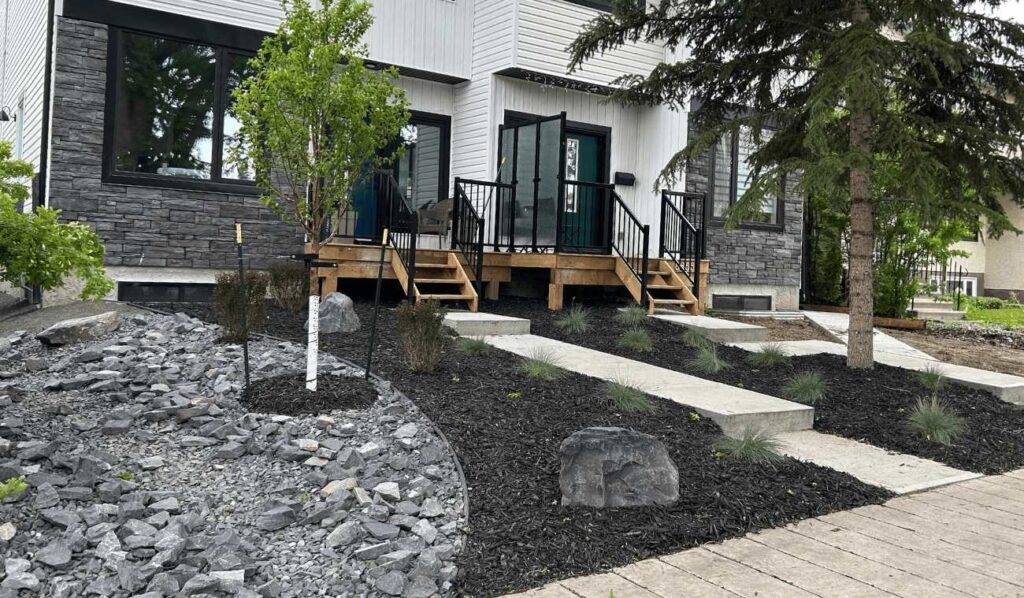
Concrete: A classic choice for affordability and strength. Concrete walkways can be poured in smooth, broomed, or stamped finishes to achieve the look you want.
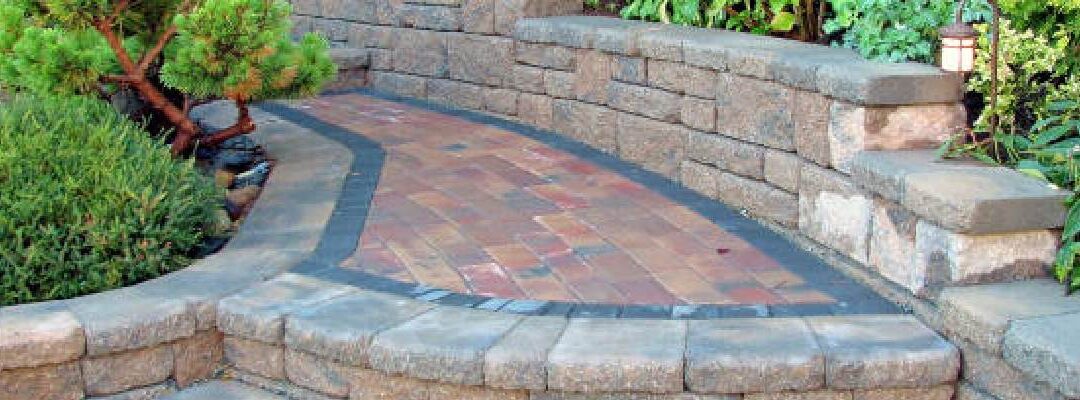
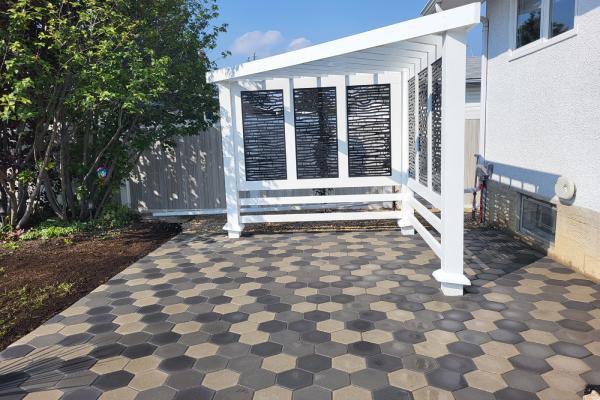
Pavers: Known for versatility and style, interlocking pavers can be arranged in countless patterns and colors. They flex slightly with ground movement, reducing the risk of cracking.
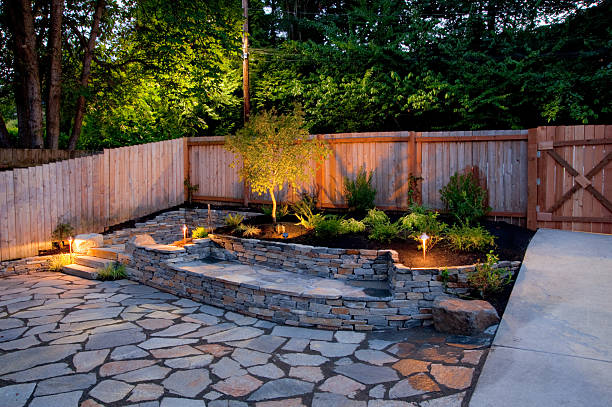
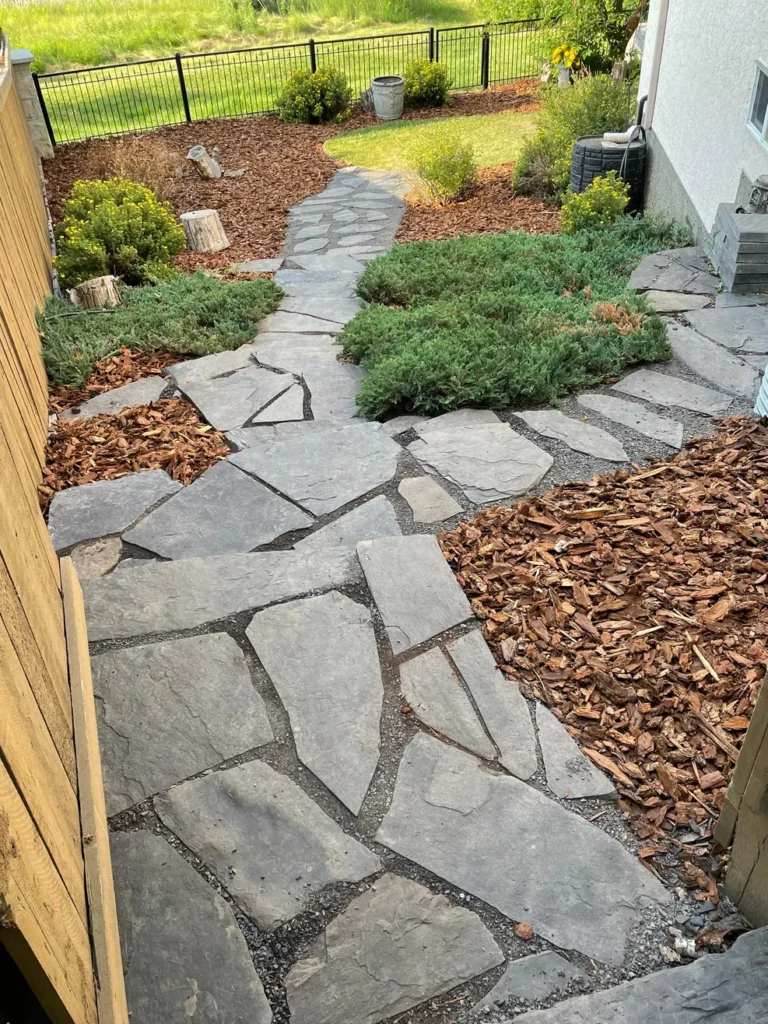
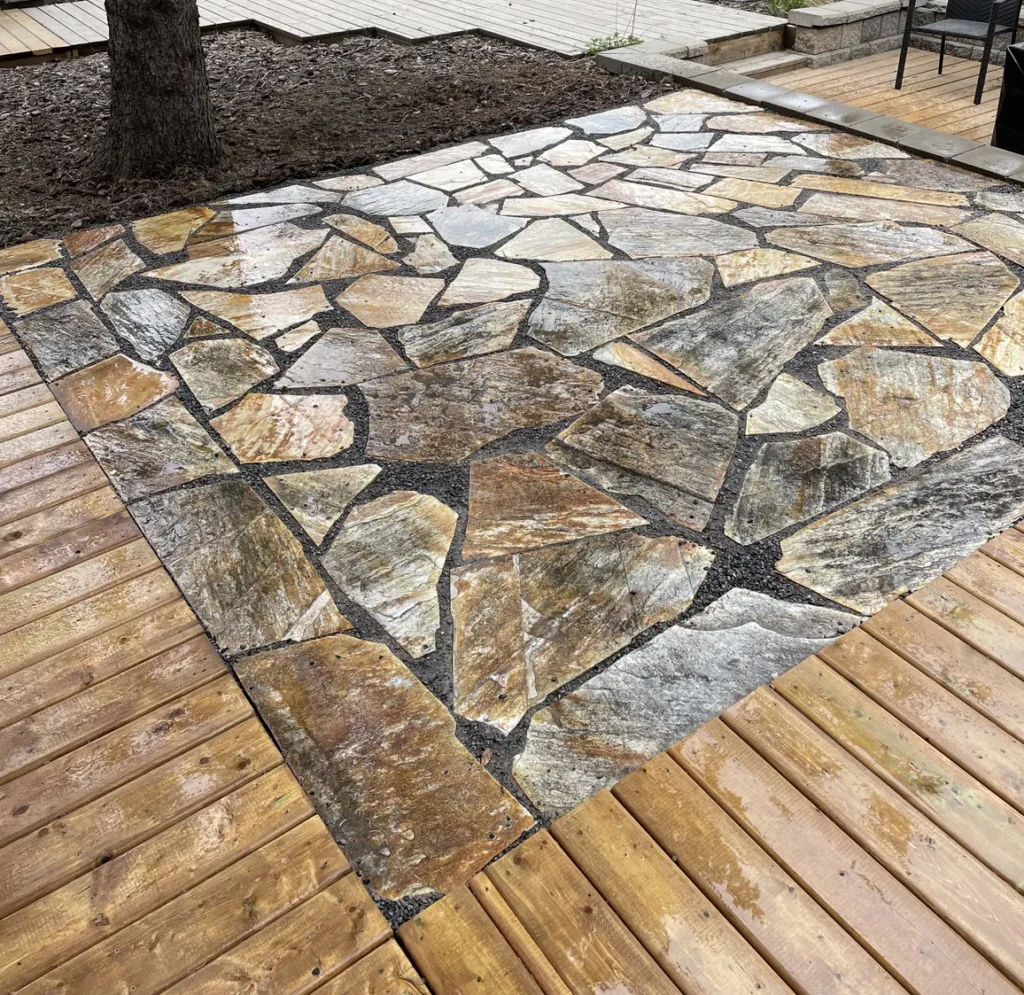
Natural Stone: The premium choice for lasting beauty and strength. Stones like flagstone or slate create a timeless look with excellent traction and weather resistance.
Concrete Walkways: Strength and Simplicity
Concrete remains one of the most cost-effective walkway materials. It provides a clean, consistent surface that complements any landscape design. Homeowners can choose from decorative finishes such as stamped, colored, or exposed aggregate for added texture and style.
To handle Edmonton’s freeze-thaw cycles, proper sealing and expansion joints are essential. With regular maintenance and resealing every few years, concrete walkways can last 20 to 30 years.
Paver Walkways: Versatility and Easy Repairs
Interlocking pavers are a top choice for homeowners who value design flexibility and easy maintenance. They are available in a range of colors, shapes, and finishes, allowing endless customization options.
Unlike poured concrete, pavers can be lifted and reset if the ground shifts, making them an excellent option for Edmonton’s changing soil conditions. Their jointed design allows water to drain efficiently, reducing ice buildup and improving durability.
For complete design and installation support, explore our Walkway Construction services to see how we build long-lasting, custom pathways for local homes.
Natural Stone Walkways: Aesthetic and Longevity
Natural stone brings unmatched character and elegance to any yard. Materials like flagstone, limestone, and slate blend naturally with the landscape and provide exceptional traction in wet or icy conditions.
While more expensive upfront, stone walkways can last for decades with minimal maintenance. They resist cracking and fading, making them ideal for homeowners who want both beauty and longevity.
Our Landscaping Design team often incorporates stone walkways into high-end outdoor spaces for a natural yet polished finish.
Comparing Durability and Maintenance
Each walkway material has unique maintenance requirements and performance characteristics:
Material
Durability
Maintenance
Average Lifespan
Concrete
Strong, may crack if not sealed
Seal every few years
20–30 years
Pavers
Extremely durable and flexible
Replace or reset individual stones
25–40 years
Natural Stone
Very durable and weather-resistant
Minimal sealing or joint care
40+ years
Slip Resistance and Safety in Winter
Edmonton winters bring snow, ice, and frequent freeze-thaw cycles that can make walkways slippery. The texture of your material plays a major role in safety.
Broomed concrete provides good traction for foot traffic.
Pavers with textured surfaces help prevent slips while allowing snow to melt and drain quickly.
Natural stone offers natural grip and performs exceptionally well under icy conditions.
Adding proper drainage and slope ensures water flows away from the surface, reducing ice buildup and preventing damage over time.
Cost Comparison and Long-Term Value
Concrete is the most affordable option upfront, typically ranging from $10 to $15 per square foot installed. Pavers are moderately priced between $15 and $25 per square foot, while natural stone ranges from $25 to $40 depending on the type and layout.
Though pavers and stone cost more initially, their flexibility and lifespan often deliver greater long-term value. Over time, they resist cracking, require fewer repairs, and maintain their aesthetic appeal longer than basic concrete.
How Lush Landscaping Builds Reliable Walkways
At Lush Landscaping, we design walkways that combine function, beauty, and durability. Our experts understand Edmonton’s soil and weather conditions, using proven base preparation and drainage techniques to prevent frost heave and shifting.
We offer full installation, repair, and Yard Restoration services to keep your walkways performing their best year after year. Each project is built with quality materials and attention to detail to ensure a long-lasting finish.
Design the Perfect Walkway for Your Home
The right walkway material transforms both the look and practicality of your yard. Whether you prefer the clean finish of concrete, the custom style of pavers, or the natural beauty of stone, professional installation makes all the difference.
Start your walkway project with Lush Landscaping and discover materials that match your home’s design and budget. Visit our Contact Page to request a consultation and receive expert advice tailored to your property.
A beautiful yard needs both structure and greenery. Hardscaping elements like patios, walkways, and retaining walls provide definition and durability, while softscaping features such as plants, turf, and gardens bring life and color. When blended thoughtfully, these elements create balance, improve functionality, and boost curb appeal for Edmonton homeowners.
What Is the Difference Between Hardscaping and Softscaping
Hardscaping refers to the built features of your outdoor space, includingpatios,walkways,retaining walls, andoutdoor lighting. These structures add durability and define the layout of a yard.
Softscaping includes the living elements such as trees, shrubs, flowers, turf, and gardens. With the rightplant selection and planting, softscaping brings seasonal beauty and natural flow to outdoor areas.
Why Balance Matters in Outdoor Design
Too much hardscaping can make a yard feel cold and uninviting. On the other hand, too much softscaping without structure can result in an unorganized look that is difficult to maintain. Balance between the two creates harmony, enhancing both appearance and usability. Professionallandscape design ensures all elements work together.
Creating Proportion and Flow in Your Yard
Proportion is key to a well-balanced yard. Hard surfaces should support, not overwhelm, greenery. Patios framed by garden beds, or walkways lined with shrubs, create natural flow. Retaining walls can add structure while providing a backdrop for layered gardens. Adding lighting along paths or around patios improves safety and creates ambiance at night.
Planning for Maintenance and Seasonal Changes
Balance also includes long-term upkeep. Hardscaping should be built with durable materials to handle Edmonton’s freeze thaw cycles, while plants should be chosen for seasonal interest and climate resilience. Homeowners who prefer easy care can benefit fromlow maintenance yards, which combine stone, mulch, and hardy plants to reduce watering and pruning needs.
Examples of Hardscaping and Softscaping Integration
Successful yard designs often feature a mix of structure and greenery.
Patios surrounded by perennial flower beds for color and softness
Retaining walls paired with shrubs and trees for height variation
Walkways with lighting and plants to guide movement and add atmosphere
Low maintenance designs with stone pathways and drought resistant plants
These combinations create outdoor spaces that are functional, visually appealing, and sustainable.
Build a Balanced Yard with Lush Landscaping
Blending hardscaping and softscaping requires planning, proportion, and climate appropriate choices. With expert design and installation, homeowners can enjoy a yard that is both beautiful and practical.
VisitLush Landscaping to see how our services bring balance to outdoor spaces, orcontact us today to start your yard transformation.
If your lawn is tired, patchy, or constantly fighting to survive, this is your guide to the Hardscaping Comeback, the strategy that combines expert turf care with strong, smart structural support. With our Edmonton-based team leading the way since 2012, you can trust this is not just about making things look good. It is about making your entire outdoor space work better and thrive longer.
What Is Hardscaping?
Hardscaping refers to the non-living features of your landscape design. Think stone walkways, retaining walls, concrete borders, garden edging, fire pits, patios, outdoor kitchens, and decorative rock features. While many homeowners consider these aesthetic touches, they are far more than that.
Hardscaping provides structure, function, and protection. It defines space, supports soil, and directs water flow, all of which directly affect the health of your lawn. When done well, it transforms both form and function.
Why Hardscaping and Lawn Care Go Hand in Hand
A beautiful lawn surrounded by poor grading, eroding soil, or crumbling edges will never reach its full potential. Even if your turf is thick and green, without strong edges and proper support, you will constantly fight uneven growth, water pooling, and lawn decline.
Here is how hardscaping enhances your lawn’s health:
Retaining walls prevent soil erosion and hold nutrients in place
Pathways reduce foot traffic damage by guiding movement off the lawn
Garden borders keep mulch and soil from spilling onto turf
Stone edging creates clear mowing lines and reduces trimming
Proper grading ensures water drains away from the lawn and not into it
Decorative rock features reduce maintenance in tricky areas
The result is a lawn that looks amazing, grows evenly, and requires far less effort to maintain.
Step One: Assess Your Landscape Layout
Before diving into seed and soil improvements, take a close look at your lawn’s surroundings. Are there areas where water collects? Do people walk across the same patch of grass every day? Are your lawn edges falling into garden beds?
These are signs that your hardscaping may need a comeback. Creating strong physical boundaries helps reduce damage to the grass and gives your lawn space to breathe and thrive.
At Lush Landscaping, we begin with a full landscape assessment. We examine slope, traffic flow, drainage, and sun exposure before recommending a blend of hardscaping and lawn strategies tailored to your property.
Step Two: Build Smart Edging and Pathways
Lawn edges are some of the most vulnerable areas in any yard. Without defined borders, grass can be overtaken by mulch, rocks, or garden overgrowth. This not only weakens root systems but creates an uneven, messy appearance.
A clean stone or concrete border:
Frames your lawn beautifully
Makes mowing easier and faster
Keeps grass from spreading into unwanted areas
Pathways are equally important. Grass that sits between a patio and garage, or between a gate and driveway, often gets trampled until it dies. Replacing those zones with pavers, gravel, or stepping stones takes pressure off the turf while still maintaining beauty and flow.
Step Three: Solve Drainage Issues with Grade and Structure
Edmonton’s unpredictable weather brings everything from spring melt to summer storms. If your lawn has areas where water pools or drains too quickly, the health of your grass will suffer.
Hardscaping elements like French drains, dry creek beds, retaining walls, and sloped patios can help move water efficiently across your property and away from your lawn. This preserves turf root structure and reduces the chance of fungus or rot.
Even simple adjustments like gravel trenches or decorative swales can dramatically improve drainage and protect your lawn from long-term damage.
Step Four: Bring Back the Grass with Strategic Rejuvenation
Once your hardscape is in place, it is time to help the grass recover.
Core steps for lawn recovery:
Aerate compacted soil to improve oxygen and water flow
Dethatch old, dead grass buildup to allow healthy growth
Overseed with cool-season grass suited to Edmonton’s climate
Topdress with compost to enrich the soil and protect new seed
Water deeply and consistently to help new roots take hold
Fertilize with a slow-release blend for steady growth
Hardscape and Lawn Care Combo for Lasting Results 🌿
Hardscape Element
Benefit to Lawn
Ideal Use
Stone or Concrete Edging
Creates mowing lines and holds garden borders
Along beds, patios, and sidewalks
Retaining Wall
Prevents erosion and stabilizes slope
On hills or raised planting areas
Paver Pathway
Reduces foot traffic damage on grass
Between common-use areas
French Drain
Redirects water away from lawn roots
In areas with frequent pooling
Raised Garden Bed
Keeps soil and plants from invading lawn
Next to turf areas or near fences
Gravel or Decorative Rock
Minimizes weeds and heat stress near borders
Under trees, along foundations
Step Five: Maintain with Purpose
Now that your lawn has structure and strength, regular maintenance becomes simpler and more rewarding.
Tips for ongoing lawn care success:
Mow high to promote deeper roots and suppress weeds
Leave clippings to return nutrients to the soil
Water early in the morning and less often, but deeply
Keep hardscapes clear of buildup or overgrowth
Touch up edging and pathways once or twice a year
Why Trust Lush Landscaping & Restoration Ltd.
Based in Edmonton since 2012, Lush Landscaping & Restoration are more than just landscapers. We are craftsmen, planners, and passionate lawn lovers who understand the unique demands of Alberta yards. Our approach combines the best of softscaping and hardscaping to give you a property that is both beautiful and built to last.
Whether you need new lawn edges, a pathway through your yard, a complete backyard makeover, or a full grass recovery plan, our experienced team is ready to bring your outdoor space to life.
We work with:
Residential homeowners
Renovation projects
Mature properties in need of revival
Brand new builds needing a custom touch
Bring Your Lawn Back to Life with the Hardscaping Comeback
Tired of battling brown patches and messy borders? Want a lawn that turns heads and feels like home? You do not have to choose between beautiful structure and healthy grass. With the Hardscaping Comeback, you get both.