Edmonton’s climate is tough on lawns. Freezing winters, heavy snow, and dry summers all take a toll on grass health. Many homeowners notice thinning patches, compacted soil, or dull colour as the seasons change. Seasonal yard restoration is the key to reviving your lawn and keeping it healthy year after year. At Lush Landscaping, we help Edmonton homeowners bring tired lawns back to life with proven restoration techniques tailored to the local climate.
Why Lawn Restoration Matters in Edmonton’s Climate
Grass in Edmonton is exposed to freeze-thaw cycles, long periods of snow cover, and summer heat that stresses roots. Without seasonal restoration, lawns can thin out, allowing weeds to take over and soil to harden. Regular restoration practices, timed for Edmonton’s growing conditions, build stronger roots and ensure a greener, more resilient lawn.
The Best Times of Year to Restore Your Lawn
Spring Recovery After Winter
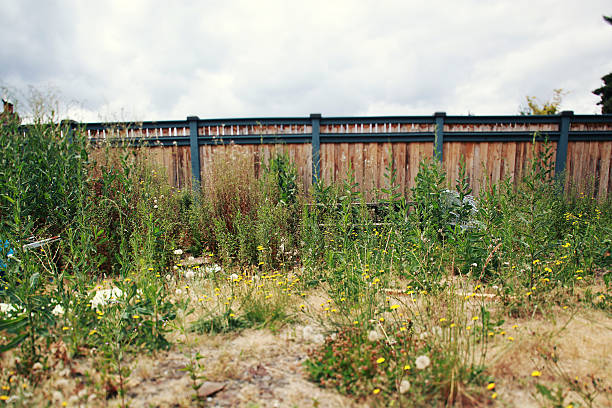
As the snow melts, lawns often reveal compacted soil, dead patches, and leftover debris. Early spring is ideal for aeration, overseeding, and fertilizing, giving grass the nutrients it needs to recover quickly and grow thick for the season ahead.
Early Fall Renewal After Summer Stress
Fall restoration prepares your lawn for the next winter. Cooler temperatures and increased moisture create perfect conditions for overseeding and root growth. Fertilizing in early fall ensures your grass stores enough nutrients to survive the winter and bounce back strong in spring.
Step-by-Step Guide to Reviving Your Lawn
Preparing and Aerating the Soil
Start by removing debris and loosening compacted soil. Aeration allows air, water, and nutrients to reach roots more effectively, which is essential after Edmonton’s long winters.
Overseeding and Reseeding for Density
Apply grass seed over thin or bare areas. Choose a blend suited to northern climates for the best results. Overseeding helps create a dense lawn that resists weeds and withstands seasonal stress.
Fertilizing at the Right Time
Fertilizer provides essential nutrients, but timing is everything. In spring, use a balanced formula to kickstart growth. In fall, use a fertilizer high in potassium to strengthen roots before winter.
Setting Up Proper Irrigation
Watering schedules make or break restoration. Grass needs deep, infrequent watering to encourage strong root systems. Early morning watering is best, reducing evaporation and fungal risk.
Common Mistakes to Avoid in Yard Restoration
Many homeowners unintentionally slow their lawn’s recovery by:
Overwatering and creating shallow root systems
Skipping soil prep before seeding
Using the wrong seed mix for Edmonton’s climate
Fertilizing at the wrong time or with the wrong formula
Avoiding these mistakes ensures your lawn restoration efforts lead to lasting results.
Professional Support for Lasting Results
While DIY lawn care can help, professional support ensures the right techniques and timing are applied. At Lush Landscaping, our yard restoration services are designed specifically for Edmonton’s seasonal challenges. We also provide plant selection and planting and low-maintenance yard solutions for homeowners who want a beautiful lawn with less upkeep. Contact us today to book your consultation and revive your lawn with confidence.
A lush, green lawn does more than make your property look beautiful. It creates a welcoming space for outdoor living, adds value to your home, and reflects the care you put into your landscape. But what happens when that once-vibrant turf turns dull, patchy, or overtaken by weeds?
At Lush Landscaping & Restoration Ltd., we believe no lawn is beyond saving. With the right strategy and expert touch, even the most worn-down grass can bounce back stronger, greener, and healthier than ever. Based in Edmonton since 2012, our team specializes in lawn rejuvenation that transforms tired yards into thriving, soft green spaces you will love to walk barefoot on.
If your lawn is struggling, this guide will walk you through every step of the restoration process, from soil health to smart seeding. And yes, it includes a practical chart to help you get it right the first time.
Why Lawns Wear Out
Lawn fatigue is real, and it can show up in many forms. You might notice thin grass, discolored patches, overgrown moss, or a lawn that just never seems to recover from summer stress.
Common reasons include:
Compacted soil that prevents roots from growing deep
Thatch buildup that blocks water and nutrients
Poor drainage or irrigation habits
Weed competition choking out healthy turf
Lack of nutrients in the soil
Pet damage or heavy foot traffic
Fortunately, most of these problems are fixable. The secret lies in knowing what your lawn needs, and when it needs it.
Lawn Rejuvenation vs. Replacement
Not every lawn needs to be torn out and restarted from scratch. In fact, most tired lawns benefit far more from rejuvenation than replacement. Rejuvenation focuses on restoring existing grass, improving the soil, and introducing new seed where needed. It is faster, more cost-effective, and environmentally friendly.
Replacement involves removing the current lawn entirely and starting over, which may be necessary if the lawn is more than sixty percent weeds, has severe grade issues, or is heavily infested with invasive species.
At Lush Landscaping, we evaluate your lawn carefully before recommending a course of action. When rejuvenation is possible, it is almost always the smarter option.
The Core Steps of Lawn Restoration
To go from patchy to perfect, you need a plan. Here is how our team approaches every rejuvenation project.
1. Assess the Current Condition
We start by walking the lawn and checking:
Thickness of turf
Weed coverage
Soil moisture and drainage
Thatch level
Shade and sun patterns
Signs of pests or disease
This helps us determine what combination of aeration, overseeding, feeding, or topdressing will bring the best results.
2. Aerate the Soil
Compacted soil blocks airflow, root growth, and water absorption. Core aeration solves this by removing small plugs of soil throughout the lawn, creating space for roots to expand.
Aeration is best done in spring or early fall. It boosts oxygen levels, improves drainage, and allows new seeds to settle in comfortably.
3. Dethatch if Needed
If your lawn feels spongy or has a thick layer of dry material on the surface, it may be suffering from thatch. This layer prevents water and nutrients from reaching the soil.
Dethatching involves raking up this dead material so your lawn can breathe again. In some cases, we use power rakes to clear larger areas effectively.
4. Overseed with High-Quality Grass Seed
Once the lawn has been opened up, it is time to overseed. This means spreading new grass seed over the existing turf to fill bare spots and improve density.
We use custom seed blends tailored to Edmonton’s climate. That includes cool-season grasses that handle our winters, resist drought, and stay green longer.
5. Topdress with Compost or Soil Blend
To give the new seed a good start, we apply a thin layer of compost or screened topsoil. This helps anchor the seed, improves nutrient availability, and boosts microbial activity in the soil.
A good topdress layer also helps smooth uneven lawn surfaces over time.
6. Water and Feed Properly
New seed needs gentle, consistent watering to germinate. We recommend light watering once or twice daily until seedlings emerge. Once the new grass is established, you can reduce frequency and water more deeply.
We also apply an organic or slow-release fertilizer to feed both new and existing grass. This encourages strong root growth and faster greening.
From Patchy to Perfect: Lawn Recovery Roadmap 🌱
Here is a helpful chart that breaks down each step with timing and tips:
Lawn Fix Step
What It Does
Best Time to Do It
Extra Tip
Soil Aeration
Relieves compaction and boosts oxygen
Early spring or early fall
Mark irrigation heads to avoid damage
Thatch Removal
Clears barrier of dead grass
Spring or fall
Use a dethatching rake or power rake
Overseeding
Adds new grass to thicken lawn
After aeration in spring or fall
Use a broadcast spreader for even coverage
Topdressing
Improves soil and protects seed
After overseeding
Compost is better than synthetic soil mixes
Fertilization
Feeds lawn for lush regrowth
Early spring and fall
Choose slow-release or organic fertilizers
Proper Watering
Helps seeds germinate and roots take hold
Immediately after seeding
Keep soil moist but not soggy
Regular Mowing
Encourages dense turf and root growth
Once grass reaches 3 inches
Never cut more than one third at once
Keep It Green for the Long Term
Once your lawn is back in shape, a few good habits will help it stay healthy:
Mow high to shade out weeds and promote deeper roots
Water early in the morning to prevent disease
Feed twice a year with a balanced fertilizer
Avoid heavy traffic on saturated grass
Keep your mower blade sharp for a clean cut
Why Choose Lush Landscaping for Your Lawn
At Lush Landscaping & Restoration Ltd., we take pride in creating outdoor spaces that feel alive, lush, and loved. Since 2012, we have helped homeowners throughout Edmonton restore their lawns and rediscover the joy of stepping outside to a beautiful, soft carpet of green.
We are not just landscapers. We are lawn revival experts who understand soil health, seed blends, and seasonal timing like the back of our hand. Whether your lawn needs a quick boost or a full transformation, we deliver exceptional results with skilled craftsmanship and personal care.
Let’s Bring Your Lawn Back to Life
Tired of patchy grass and embarrassing bare spots? You do not have to settle for less than lush. Reach out to the team at Lush Landscaping & Restoration Ltd. and get expert help that turns your lawn into the envy of the neighborhood.