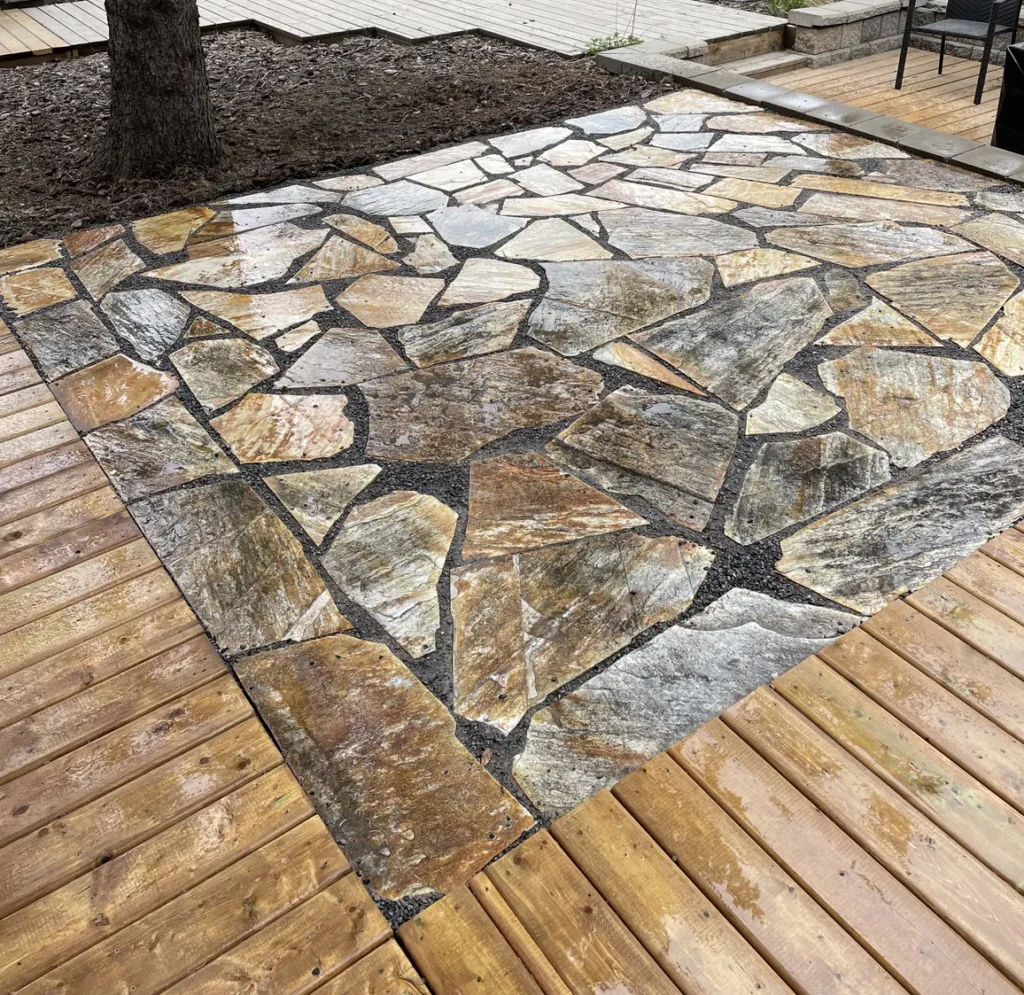

Foundation problems rarely start inside the home. In many cases, the issue begins outside in the soil, slope, and drainage patterns surrounding the property.
In Edmonton, where heavy snow, spring melt, seasonal rainfall, and freeze–thaw cycles are all part of the climate, improper landscape grading is one of the leading contributors to foundation stress. When water is not directed safely away from the home, it accumulates near the foundation walls. Over time, this can lead to cracks, basement leaks, soil erosion, and costly structural repairs.
The good news is that foundation damage caused by drainage issues is often preventable. Proper grading and smart landscape planning can protect your home long before visible warning signs appear.
What Is Landscape Grading?
Landscape grading refers to shaping the ground so water flows away from the home instead of toward it. Ideally, the soil should slope gently downward from the foundation in all directions.
When grading is done correctly:
- Water drains away naturally
- Soil stays more stable
- Basement moisture risk decreases
- Hardscape features remain level
- Long term maintenance is reduced
Grading is not simply about moving dirt. It involves understanding soil composition, elevation changes, drainage pathways, and how different landscaping elements interact. This is why professional landscaping design plays a critical role in preventing foundation issues from the start.
Why Improper Grading Leads to Foundation Damage
Edmonton’s climate amplifies grading problems. During winter, snow accumulates along foundation lines. When temperatures rise in spring, rapid melting releases large volumes of water at once. If the yard is flat or sloped toward the house this leaves absolutely nowhere for that large volume of water to go.
Over time, this leads to:
- Hydrostatic pressure against foundation walls
- Soil expansion during freeze and thaw cycles
- Foundation cracks
- Basement seepage
- Shifting concrete slabs
Clay heavy soil, common in Alberta, worsens the situation. Clay retains water and expands when wet, increasing pressure against the foundation.
What often begins as minor pooling can evolve into structural stress that requires extensive repairs. Addressing grading early through low maintenance yards can help prevent this escalation.
Why Rainfall Can Be Just as Damaging as Snowmelt
Many homeowners assume foundation water problems only occur in spring. However, heavy rainstorms during summer and fall can create the same risk.
When large amounts of rain fall quickly, water saturates the soil surrounding the home. Clay-heavy soil common in Alberta holds moisture, which increases pressure against foundation walls.
Without proper grading:
- Water collects along the foundation
- Soil expands as it absorbs moisture
- Hydrostatic pressure increases
- Moisture can enter basement walls
In some cases, foundation issues appear during a rainy season rather than during spring melt. Proper grading protects the home year-round, not just during winter thaw.
Warning Signs Your Yard May Be Damaging Your Foundation
Many homeowners don’t connect landscaping with foundation health until visible damage appears. However, the signs usually show up in the yard first.
Watch for:
- Water pooling near the base of the home
- Soil erosion around foundation walls
- Persistent muddy areas
- Sunken patio sections
- Uneven walkways
- Small foundation cracks
- Basement dampness after heavy melt or rain
When these symptoms appear, surface level fixes rarely solve the problem. In many cases, corrective yard restoration is required to regrade the soil and rebuild the underlying structure properly.
The Role of Hardscaping in Water Control
Hardscape features can either improve or worsen drainage, depending on how they’re installed.
Patios and Walkways
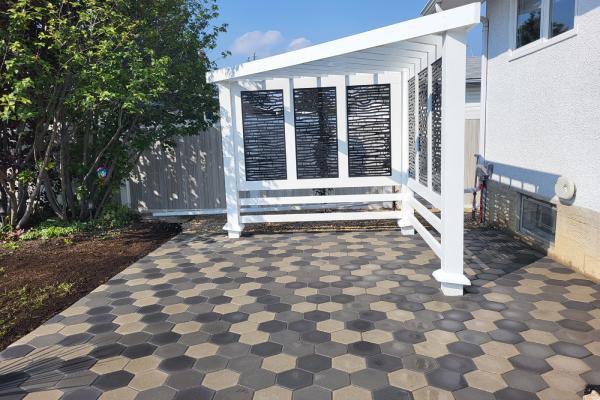
Improperly installed patios often trap water near the home. Without the correct slope and base preparation, runoff may flow back toward the foundation instead of away from it.
Patio construction ensures:
- Proper slope away from the home
- Compacted base layers
- Drainage integration
- Long term stability
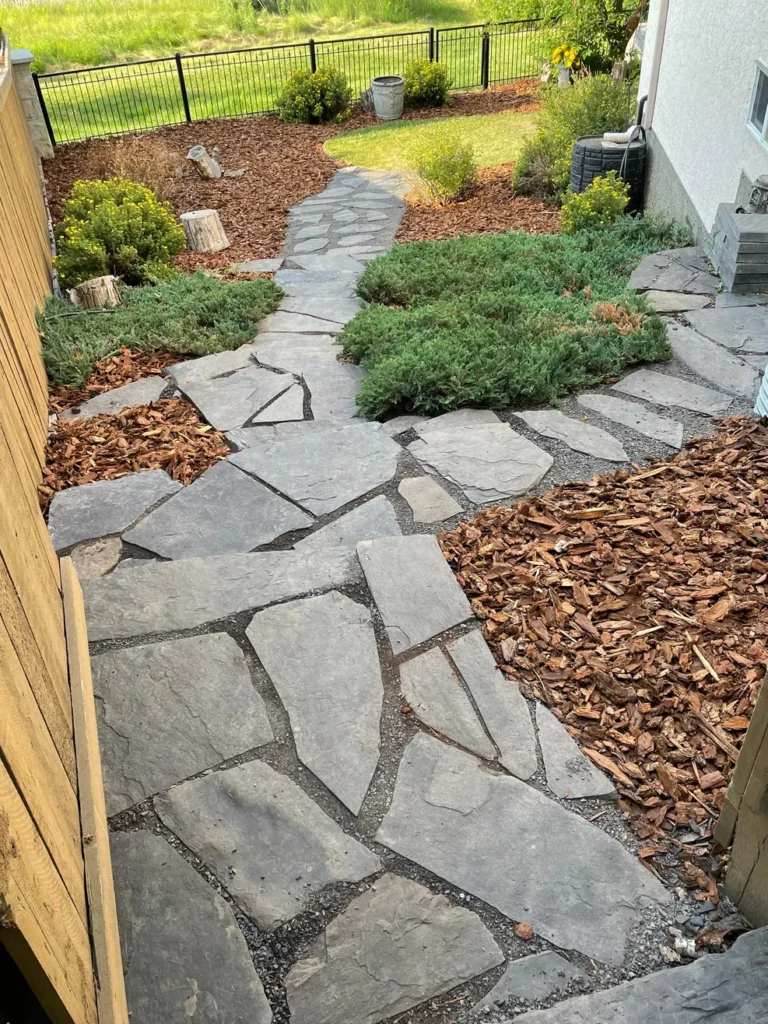
The same applies to walkway construction. Walkways should guide water safely across the yard, not channel it toward the foundation. Even a small slope miscalculation can direct runoff in the wrong direction year after year.
Retaining Walls
Retaining walls are often used to manage elevation changes, but without proper drainage systems, they can trap water behind the structure. That trapped water builds hydrostatic pressure and may redirect moisture toward the home’s base.
Correct retaining wall construction includes drainage stone, filter fabric, and weeping tile systems to relieve pressure and control water movement.
When grading and hardscaping work together, they protect the foundation instead of threatening it.
Why Regrading Is Often the Lasting Solution
If water consistently pools near the home, adding soil or adjusting downspouts may offer temporary relief. However, if the yard’s overall slope is incorrect, the problem will return.
Regrading involves:
- Removing and redistributing soil
- Creating a consistent downward slope
- Eliminating low spots near the foundation
- Improving overall drainage flow
This process may also include rebuilding sections of lawn or hardscape to ensure proper integration.
In some cases, homeowners choose to redesign the entire yard to correct structural issues while improving functionality. A strategic landscaping design approach ensures grading, drainage, and aesthetics work together seamlessly.

How Low Maintenance Yards Improve Drainage Stability
Poor drainage often leads to constant lawn repairs, reseeding, and mud control. When grading is corrected properly, homeowners have an opportunity to simplify maintenance long term.
Many choose to incorporate low maintenance yards into the redesign process. By reducing large turf areas and integrating well placed hardscape features, drainage pathways become easier to manage and less susceptible to erosion.
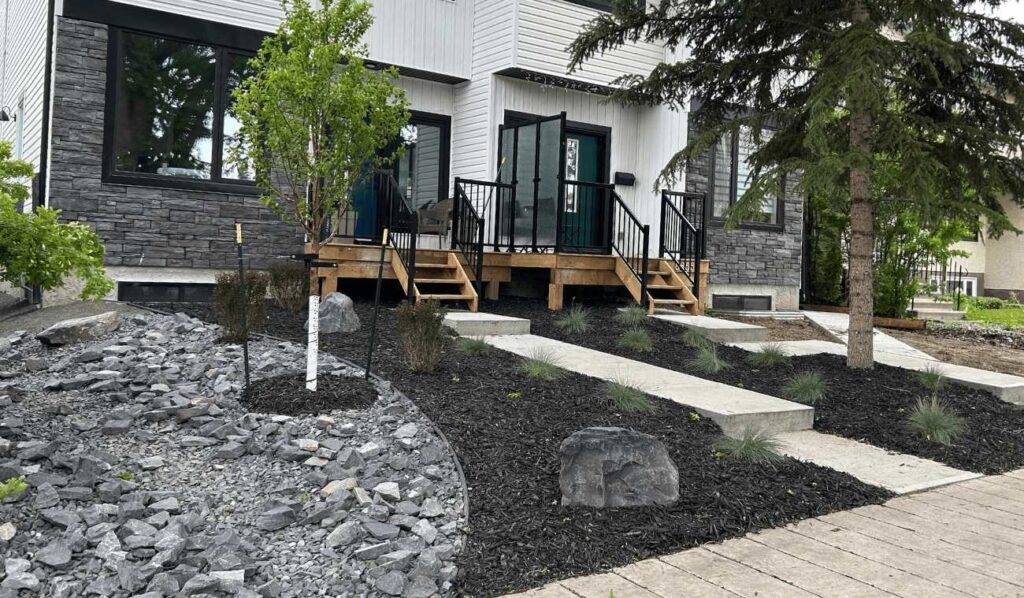
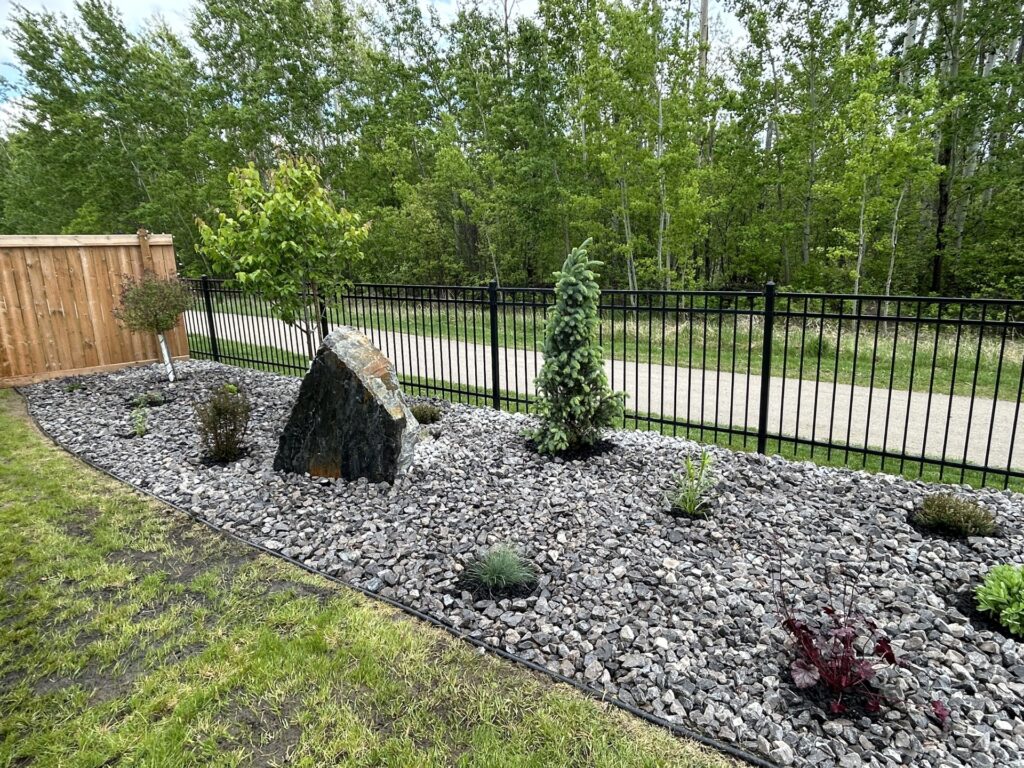
Gravel beds, properly sloped patios, and structured planting zones help stabilize soil and direct water effectively.
Less turf also means fewer areas where water can accumulate and cause compaction issues.
Soil Structure and Plant Health Around the Foundation
Healthy soil absorbs water more efficiently than compacted soil.
Over time, heavy snow, foot traffic, and natural settling can compact soil around the foundation. Compacted soil reduces drainage and increases surface runoff.
Strategic Plant Selection and Planting can improve soil stability. Deep rooted plants help break up compacted soil, enhance absorption, and reduce erosion. Choosing species suited to Alberta’s climate ensures long term success without excessive watering or maintenance.
Proper planting near the foundation must balance aesthetics with drainage performance. Plants should enhance absorption without trapping moisture against the home.
When designed thoughtfully, planting zones become part of the drainage solution.
Lighting, Drainage, and Safety
While drainage and foundation protection are primarily structural concerns, safety and usability also matter.
Poor drainage often creates slippery walkways, uneven surfaces, and hidden hazards. Integrating outdoor lights into walkways and patios improves visibility during wet conditions and winter months.
Well lit pathways help homeowners spot pooling water, ice buildup, or shifting pavers before small issues become larger structural concerns.
Lighting complements proper grading by enhancing both safety, sustainability, and yard usability.
The Cost of Ignoring Grading Problems
Foundation repairs are significantly more expensive than preventive landscaping improvements.
Ignoring drainage issues can result in:
- Interior water damage
- Mold remediation
- Structural reinforcement
- Concrete repair
- Repeated lawn and hardscape fixes
What might begin as a minor grading adjustment can turn into a major renovation if left unaddressed.
Investing in proper grading and structural landscaping now reduces the likelihood of large scale foundation repairs later.
When It’s Time to Take Action
If your yard shows repeated signs of:
- Pooling water near the home
- Sinking patios
- Shifting walkways
- Basement moisture
- Erosion along foundation lines
It’s time to assess the grading structure.
Getting your yard evaluation can determine whether minor adjustments or full scale yard restoration is required. In many cases, correcting grading early prevents escalating damage to home owners properties.
A comprehensive plan that integrates landscaping design, structural hardscaping, planting strategy, and drainage improvements offers the most durable protection.
Protect Your Foundation from the Ground Up
Your foundation depends on what surrounds it. Soil slope, drainage flow, and hardscape installation all influence lasting structural stability.
Proper grading:
- Directs water safely away
- Reduces hydrostatic pressure
- Protects basement integrity
- Stabilizes patios and walkways
- Improves yard performance
In Edmonton’s climate drainage is not optional, it absolutely is essential to protecting your home.If you notice water collecting near your home or recurring yard instability, a professional landscaping assessment can identify grading flaws before they lead to structural damage. Addressing slope and drainage now protects both your landscape investment and your home’s foundation for years to come.