Many homeowners assume landscaping projects only happen in summer. While construction often takes place during warmer months, the best time to start a landscaping project is usually much earlier than people expect.
In Edmonton, weather and contractor availability play a major role in timing. Understanding how the seasons affect planning, scheduling, and installation can help you avoid delays and get better results from your project.
Why Spring Isn’t Actually the Start
Spring is when landscaping work becomes visible, but it’s rarely when projects begin. By the time the snow melts, most landscaping companies already have their schedules filling quickly.
Homeowners who wait until May or June to begin planning often discover:
- Longer wait times
- Limited start dates
- Rushed design decisions
Starting earlier allows time to properly plan the layout, materials, and drainage. Beginning with professional landscape design services during late winter or early spring gives you a clearer project plan before construction season begins.
Summer: The Peak Construction Season
Summer is when most installations happen. Warm temperatures allow soil work, base preparation, planting, and hardscape construction to be completed efficiently.
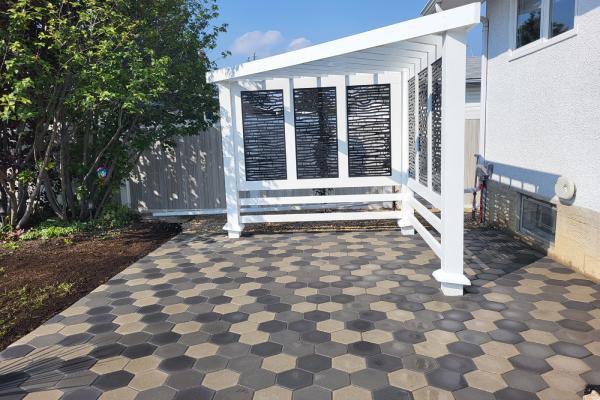
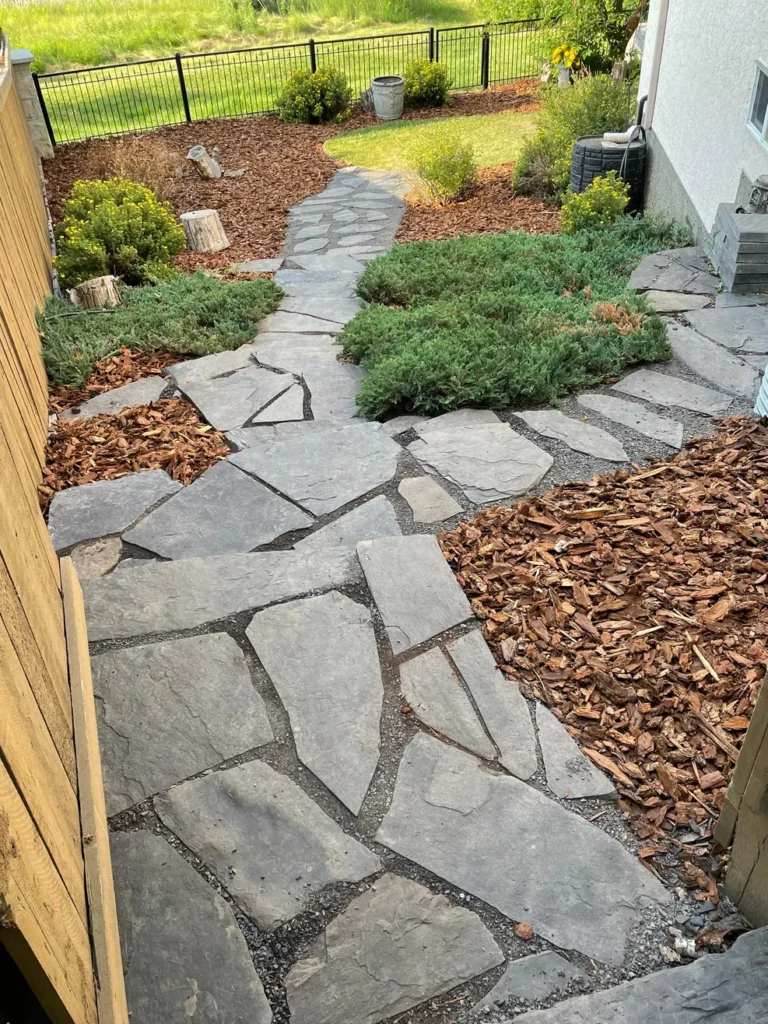
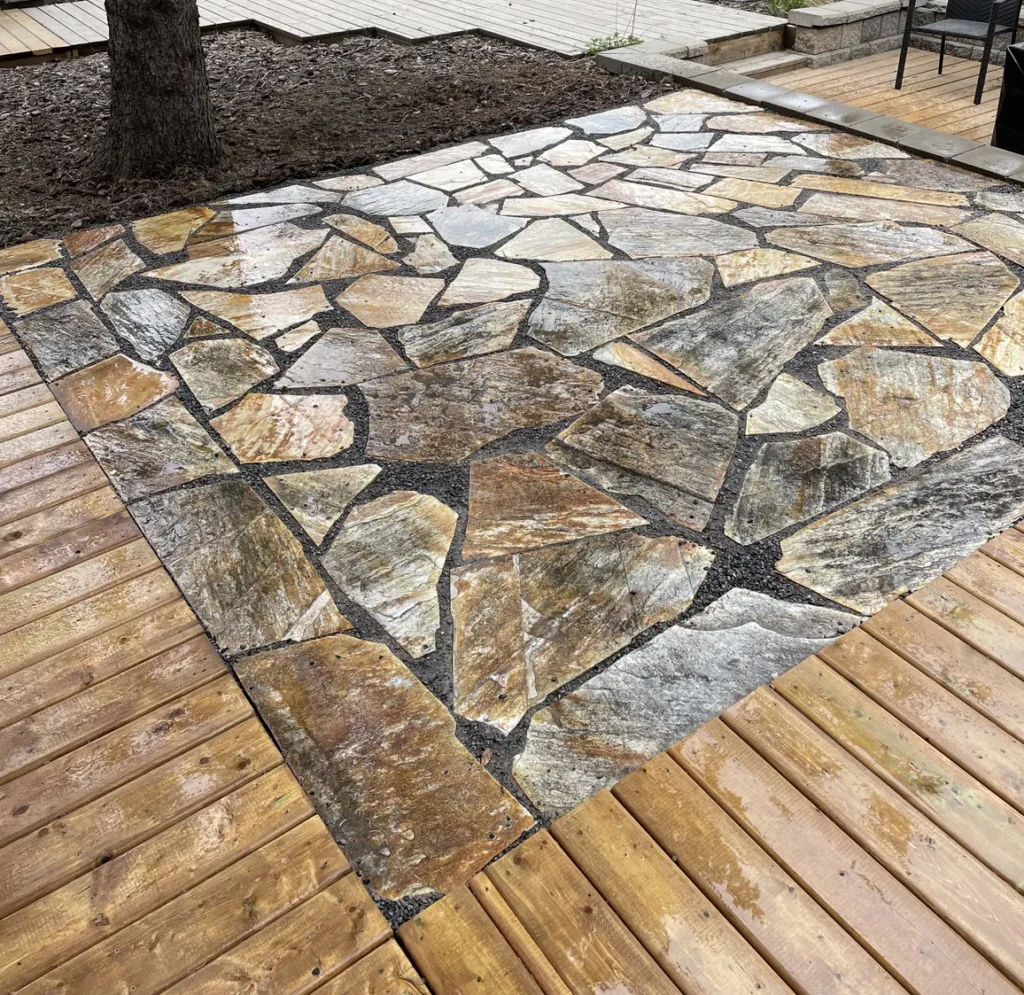
This is typically when projects such as patio construction and walkway construction are built, since proper compaction and leveling depend on workable ground conditions.
However, summer scheduling depends heavily on how early planning was completed. Projects designed earlier in the year usually receive the most flexibility in start dates.
Fall: An Underrated Landscaping Season
Fall is often one of the best times to complete landscaping work in Edmonton. Cooler temperatures are easier on plants, and soil conditions are still workable before freeze-up.
Benefits of fall projects include:
- Less heat stress on new plants
- More stable soil moisture
- Preparation for spring growth
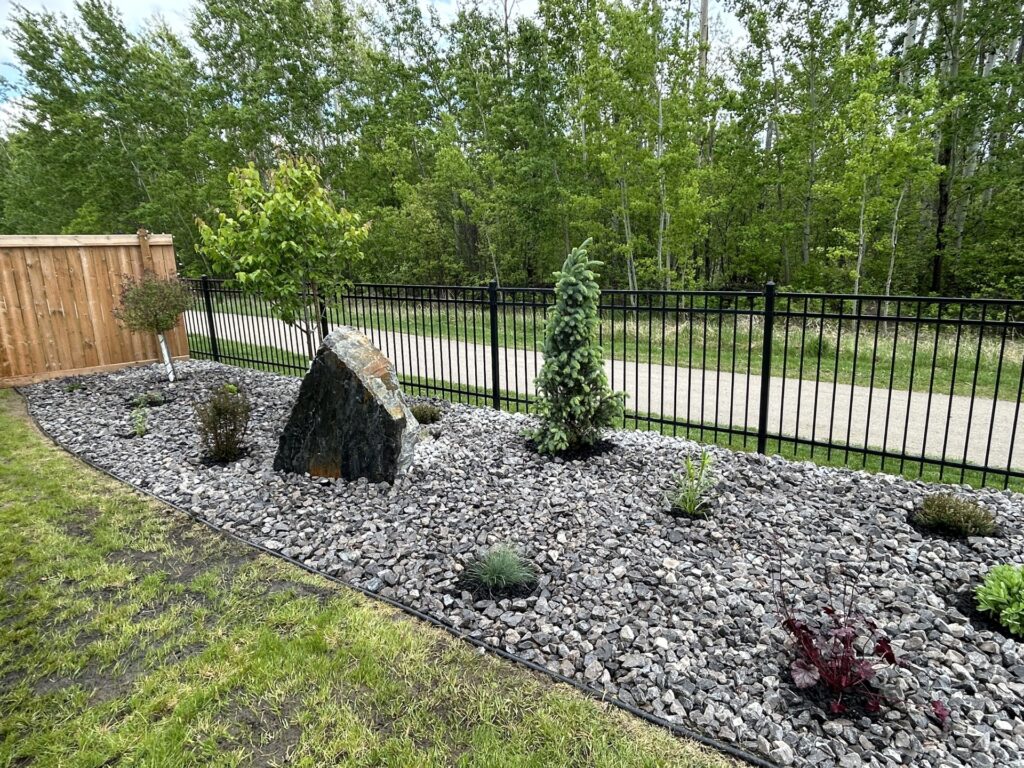
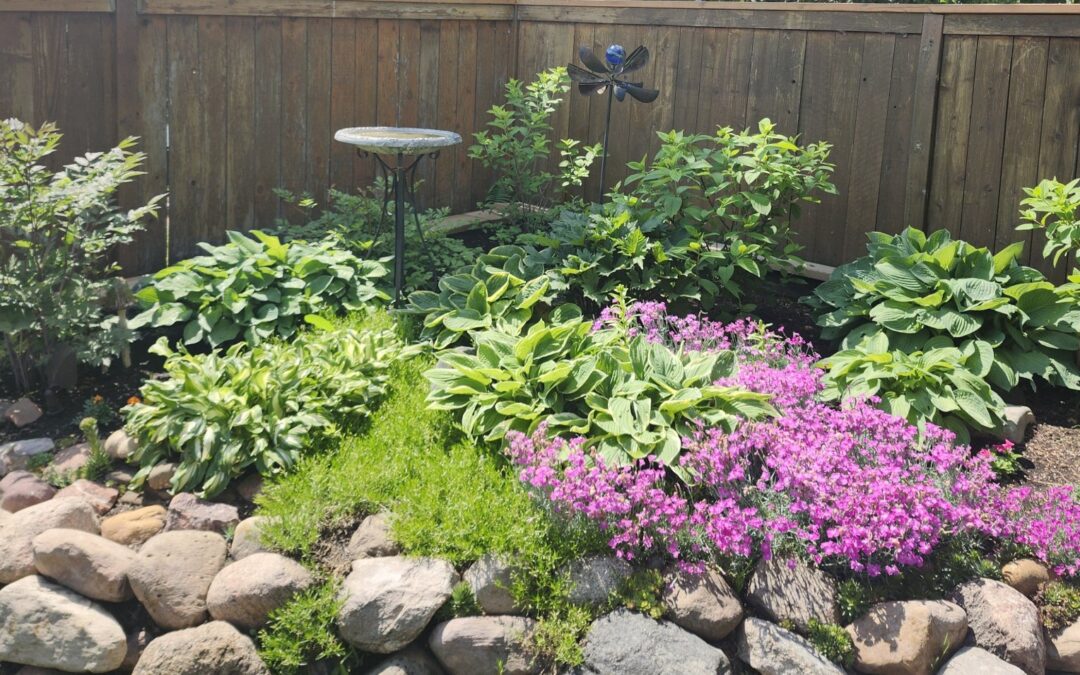
Many homeowners complete plant selection and planting services in early fall so plants can establish roots before winter and return stronger in spring.
Winter: The Planning Advantage
While the ground is frozen in winter, it’s actually an excellent time to plan a project. Winter consultations allow homeowners to review ideas, budgets, and layouts without the pressure of peak construction season.
Planning ahead also helps identify grading or drainage problems. Addressing these through yard restoration services can prevent delays when installation season begins.
How Booking Early Helps
Contractors typically schedule projects weeks or months in advance. Waiting until warm weather arrives often means competing with many other homeowners for limited time slots.
Booking early provides:
- More design flexibility
- Better scheduling options
- Time to choose materials
- Reduced last-minute decisions
It also allows projects such as retaining wall construction or low maintenance landscape changes to be planned carefully rather than rushed.
What Timing Works Best?
There isn’t a single perfect month to start landscaping. Instead, the ideal timing depends on the stage of the project:
- Winter: planning and consultation
- Early Spring: design and scheduling
- Summer: construction and installation
- Fall: planting and finishing work
By starting the process earlier, homeowners avoid delays and ensure the project is completed when they want to use the space most.
Ready to Plan Your Project?
If you’re thinking about improving your outdoor space this year, starting early gives you the most options. Planning ahead allows time to design the layout properly and schedule construction without pressure.
If you’d like help planning your project timeline, schedule a landscape design consultation and we’ll walk through ideas, priorities, and the best timing for your property.