Not every sloped yard needs a retaining wall. In the right situation, however, a retaining wall can solve problems that go far beyond appearance.
Retaining walls are used to hold soil in place, manage elevation changes, reduce erosion, and create more functional areas on properties that aren’t naturally level. They can also become an important part of a larger landscaping plan, particularly when patios, walkways, gardens, or drainage improvements are involved.
For Edmonton homeowners, these issues can become especially noticeable after spring snowmelt, heavy rain, or repeated freeze-thaw cycles.
So how do you know when a retaining wall might be the right solution?
Here are seven signs to watch for around your property.
1. Soil Is Washing Away
Visible erosion is one of the clearest signs that a slope may need additional support.
You might notice soil gradually disappearing from a garden bed, collecting at the bottom of a hill, washing onto a walkway, or exposing roots that were previously covered.
A small amount of soil movement may not seem serious at first. Over time, however, repeated runoff can continue removing material and changing the shape of the landscape.
Common signs of erosion include:
Exposed plant roots
Channels forming through soil
Soil collecting at the bottom of slopes
Mulch repeatedly washing out of garden beds
Bare areas where plants struggle to establish
Sediment collecting on patios or walkways
A properly designed retaining wall can help stabilize a slope and hold soil where it belongs.
The wall may also be combined with planting, grading, or drainage improvements depending on what’s causing the erosion.
2. Your Yard Has a Steep or Difficult Slope
A sloped yard isn’t automatically a problem.
Gentle elevation changes can add character to a landscape and sometimes work beautifully with planting beds, natural stone, or other features.
Steeper slopes can be much harder to use.
Furniture doesn’t sit properly. Lawn areas can be difficult to maintain. Walking across the yard may feel awkward, and landscaping materials can gradually move downhill.
A retaining wall can divide the slope into more manageable levels.
Instead of one continuous hill, the property could potentially have flatter areas for:
Lawn
Planting beds
Patios
Walkways
Seating areas
Garden spaces
This can make previously awkward parts of the yard much more functional.
3. Water Keeps Collecting or Moving Through the Same Area
Drainage problems and retaining walls are closely connected.
If water repeatedly travels down a slope, it can carry soil with it and gradually contribute to erosion.
You may notice:
Muddy areas after rain
Channels carved through soil
Water collecting at the bottom of a slope
Mulch washing out of beds
Soil moving toward hardscaped areas
Excess water near patios or walkways
A retaining wall may be part of the solution, but simply putting up a wall isn’t enough.
Water still needs somewhere to go.
Drainage needs to be considered when the wall is designed so water doesn’t simply collect behind the structure. A retaining wall that holds back soil while ignoring water pressure can eventually develop problems of its own.
That’s why retaining-wall construction should be considered as part of the property’s overall grading and drainage rather than as an isolated feature.
4. Soil Is Moving Toward Your Patio or Walkway
Hardscaped areas and slopes don’t always work well together without some form of separation.
If a patio or walkway sits below a garden bed or sloped portion of the yard, soil and mulch may gradually migrate onto the finished surface.
After heavy rain, you might repeatedly find yourself sweeping dirt or mulch back into the landscape.
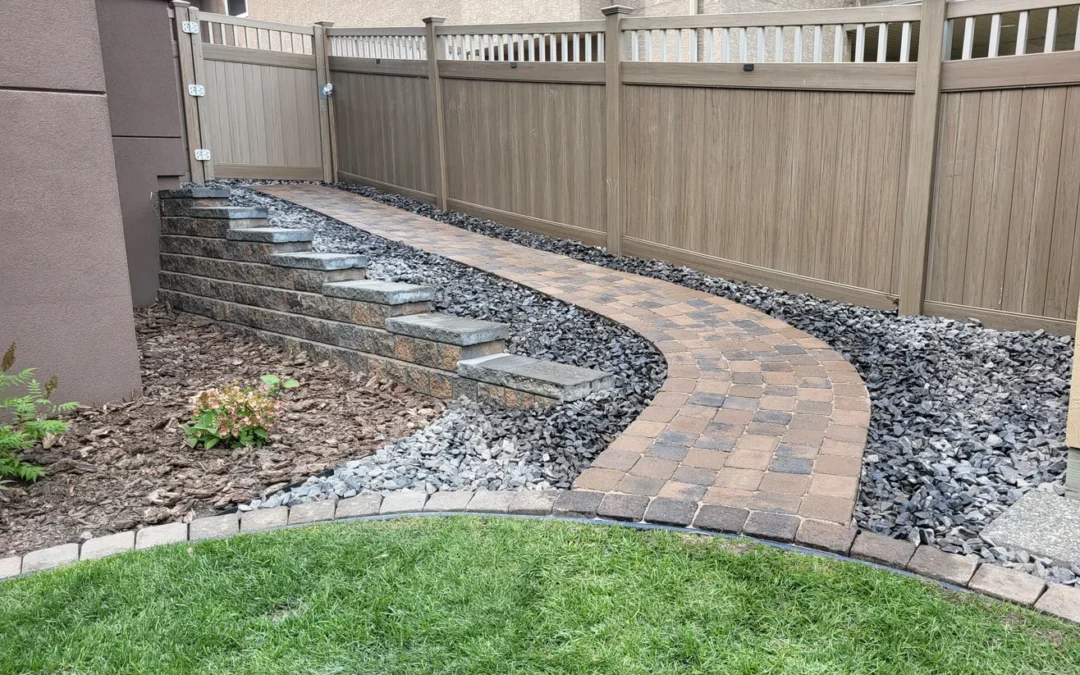
A retaining wall can create a defined structural edge between the two elevations.
This does more than keep the patio cleaner.
It can also create a more intentional landscape design by separating different areas and making the elevation change look like a planned feature rather than a problem the yard happens to have.
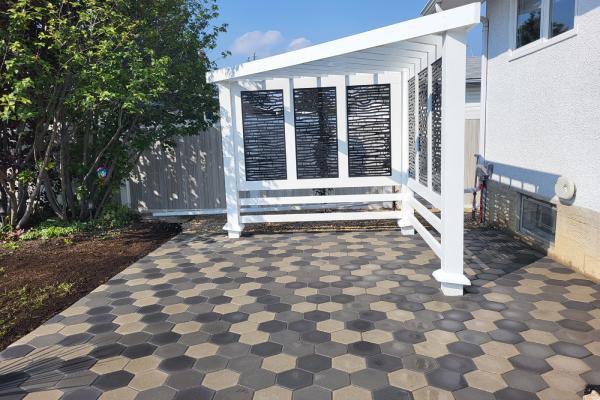
For example, a retaining wall beside a patio could create an elevated planting bed while helping hold the surrounding soil in place.
5. Your Existing Retaining Wall Is Leaning, Cracking, or Shifting
Sometimes the question isn’t whether you need a retaining wall.
You already have one, but it’s showing signs of failure.
Watch for:
Leaning or bulging sections
Separation between blocks
Significant cracking
Uneven sections
Blocks shifting out of alignment
Soil escaping through or around the wall
Areas that appear to be sinking
Water consistently collecting behind the structure
These problems shouldn’t simply be treated as cosmetic.
A retaining wall is holding back soil, and potentially a substantial amount of it. When the wall begins moving, there may be problems with the foundation, drainage, construction, or pressure behind it.
Lush Landscaping provides both new retaining wall construction and renovation services for existing walls, allowing the underlying problem to be evaluated rather than simply trying to hide visible damage.
6. You Want to Create More Usable Space
Retaining walls aren’t only used to correct problems.
Sometimes they’re used to make a property more functional.
Imagine a backyard with a significant slope immediately behind the house.
Technically, you have plenty of square footage. In practice, much of it may be difficult to use.
By incorporating retaining walls into the landscape, portions of that slope may be transformed into flatter areas.
Depending on the property, that could create space for:
A patio
Outdoor furniture
A garden
A play area
Lawn
Walkways
Planting beds
This can be particularly valuable when you’re planning a larger backyard renovation.
Rather than treating the slope as wasted space, the landscape can be designed around the elevation change.
7. You’re Planning Major Changes to Your Yard’s Grading
Sometimes a retaining wall becomes necessary because of what you want to build.
A new patio, walkway, garden, or other landscape feature may require changing the existing elevation.
For example, you may want a level patio in an area where the ground naturally slopes.
Creating that flat surface means dealing with the difference between the new patio elevation and the surrounding yard.
A retaining wall can provide the transition.
This is why grading should be considered early when planning a landscaping project.
Patios, walkways, walls, planting beds, and drainage systems all affect one another. Designing them together can help prevent a situation where one new feature creates a problem somewhere else.
What Does a Retaining Wall Actually Do?
At its simplest, a retaining wall holds soil back when two areas of a property sit at different elevations.
But a well-planned wall can serve several purposes at once.
It can:
Stabilize soil
Help manage slopes
Reduce erosion
Create usable level areas
Define planting beds
Separate landscape zones
Support patios and walkways
Add structure to the overall design
This combination of function and appearance is what makes retaining walls useful in landscape design.
They solve a structural problem while also becoming a visible feature of the yard.
Retaining Walls and Drainage Need to Work Together
One of the most important things to understand about retaining walls is that soil isn’t the only thing pushing against them.
Water matters too.
When water accumulates in the soil behind a wall, it creates additional pressure against the structure.
A wall therefore needs to be designed with drainage in mind.
Depending on the project, that may involve drainage aggregate, drainage pipe, proper backfill, grading, or other methods of allowing water to move away instead of becoming trapped.
The specific solution depends on the property and wall design.
What matters is that drainage isn’t treated as an afterthought.
Why Edmonton’s Climate Matters
Retaining walls in Edmonton need to deal with substantial seasonal changes.
The ground freezes and thaws throughout the year. Spring snowmelt can introduce large amounts of water into the landscape, while summer storms can create additional runoff.
Soil conditions can also affect how water moves through the property.
These conditions make proper preparation particularly important.
A wall may look perfectly straight when it’s first installed, but long-term performance depends on what was done underneath and behind it.
Proper excavation, base preparation, drainage, backfill, and installation all play a role in helping the structure withstand seasonal movement.
Does Every Slope Need a Retaining Wall?
No.
Some slopes can be managed through grading, planting, erosion-resistant groundcover, or other landscaping strategies.
The severity of the slope matters, as does what is located above and below it.
A relatively gentle garden slope may work perfectly well without a wall.
A steeper slope beside a patio may require much more consideration.
Rather than assuming every elevation change needs hardscaping, the property should be evaluated as a whole.
The goal is to use a retaining wall where it provides a genuine structural or functional benefit.
What Type of Retaining Wall Is Best?
The right wall depends on its purpose, height, location, surrounding landscape, and desired appearance.
Lush Landscaping works with options including stack stone and block retaining walls, along with custom designs based on the needs of the property.
A wall that borders a formal patio may call for a different appearance than one incorporated into a natural planting area.
Material selection should therefore consider both performance and design.
The finished wall should look like it belongs with nearby patios, walkways, garden beds, and other landscape features.
Can a Retaining Wall Improve the Appearance of a Yard?
Absolutely.
Retaining walls are highly functional, but they can also create structure in a landscape that otherwise feels undefined.
A wall can be used to create:
Raised planting beds
Terraced gardens
Defined patio edges
Changes between different landscape materials
Visual separation between outdoor areas
More interesting changes in elevation
This is especially effective when the wall is incorporated into the overall landscape design from the beginning.
Rather than looking like something that was installed solely to hold back soil, it becomes part of the property’s architecture.
Should You Repair or Replace an Existing Retaining Wall?
That depends on why the wall is failing.
Minor cosmetic issues aren’t the same as significant structural movement.
If a wall is leaning, bulging, separating, or repeatedly shifting, it’s important to determine what’s causing the problem.
Potential issues may involve:
Poor base preparation
Inadequate drainage
Soil pressure
Settlement
Improper construction
Seasonal ground movement
Simply pushing blocks back into place won’t necessarily solve the underlying problem.
An existing wall should be evaluated before deciding whether repair or reconstruction makes more sense.
Plan the Wall Before Building the Rest of the Yard
If you’re planning a larger landscaping project, structural features should generally be considered early.
Imagine installing new planting beds and a walkway only to discover later that a retaining wall is needed in the same area.
Some of that finished work may have to be removed.
Planning the wall early allows patios, paths, planting beds, steps, and drainage to be designed around it.
Even if the entire landscape isn’t completed at once, having a plan can help each phase fit together.
How Do You Know If a Retaining Wall Is the Right Solution?
Start with the problem you’re trying to solve.
Are you dealing with erosion?
Is the slope difficult to use?
Does water repeatedly move soil downhill?
Are you trying to create a level patio or garden?
Is an existing wall beginning to fail?
Once you understand the problem, you can determine whether a wall is the best solution or whether grading, drainage, planting, or another landscaping approach would work better.
A retaining wall should have a clear purpose.
Retaining Wall Construction in Edmonton
Slopes and elevation changes don’t necessarily have to limit what you can do with your property.
The right retaining wall can stabilize soil, reduce erosion, create flatter areas, support other landscape features, and add structure to the overall yard.
Lush Landscaping & Restoration provides retaining wall construction in Edmonton using stack stone, block, and custom designs tailored to the needs of each property. The team also works with homeowners who need to repair or renovate existing retaining walls.
If you’re noticing erosion, shifting soil, drainage problems, or an unstable slope, it’s worth finding out what’s causing the problem before it gets worse. From there, you can determine whether a retaining wall should become part of the solution.
Planning a new landscape often starts with ideas. Maybe you want a larger patio, more privacy, new planting beds, better drainage, or a backyard that requires less maintenance. The challenge is figuring out how all of those pieces should work together.
That is where professional landscape design comes in.
Rather than making improvements one project at a time, a landscape design creates a plan for the entire outdoor space. It considers how you want to use your yard, the existing conditions of the property, which features you want to include, and how those features will fit together.
But how much does landscape design cost in Edmonton?
There isn’t one standard price that applies to every property. The cost depends heavily on the size of the yard, complexity of the project, existing site conditions, and level of planning required. Understanding those factors can help you determine what to expect before beginning your project.
What Is Included in Landscape Design?
Landscape design is more than deciding where to put a patio or which plants will look best beside the house.
A good design considers the entire property and how each part of the landscape affects the others.
The goal is to create a cohesive plan before construction begins.
This becomes especially important when a project includes several different features. The location of a retaining wall could affect a walkway. Patio elevations can affect drainage. Plant placement can influence privacy and how the yard looks several years after installation.
Planning these details beforehand can prevent problems that are much more expensive to correct once construction has started.
How Much Should You Budget for Landscape Design in Edmonton?
Landscape design pricing can vary significantly because the scope of the work can range from planning a relatively straightforward yard to developing a detailed plan for a complete outdoor transformation.
For that reason, homeowners should be cautious about treating any generic online price as a guaranteed estimate.
A relatively simple property with a clear layout and limited features will typically require less planning than a yard involving major elevation changes, extensive hardscaping, drainage concerns, multiple outdoor living areas, or a complete redesign.
The best way to establish an accurate budget is to first determine what you want the finished property to accomplish.
Do you primarily want to improve curb appeal?
Are you creating an outdoor entertaining space?
Do you need to solve problems with the existing yard?
Are you planning a complete landscape renovation?
The answers help determine how involved the design needs to be.
What Affects the Cost of Landscape Design?
Several factors can make one landscape design significantly more involved than another.
Size of the Property
The size of the yard is one of the most obvious considerations.
A small urban backyard generally has fewer areas to plan than a large property with extensive front, side, and rear yards.
However, square footage isn’t everything.
A small property can still require detailed planning if the homeowner wants to fit several features into a limited space. In these situations, careful design may actually become more important because every square foot needs a purpose.
Complexity of the Design
A simple yard with lawn, planting beds, and a walkway will usually be easier to plan than a complete backyard with a patio, retaining walls, lighting, multiple planting areas, and elevation changes.
Each additional feature has to work with everything around it.
For example, adding a patio isn’t simply a matter of choosing its shape. You also need to consider its size, access from the house, surrounding grades, drainage, nearby planting areas, walkways, furniture placement, and how people will move between different parts of the yard.
The more elements being incorporated, the more detailed the planning process becomes.
Existing Yard Conditions
Sometimes the biggest design challenges are already present on the property.
Poor drainage, damaged turf, steep slopes, compacted soil, awkward elevations, and aging landscaping can all affect what is possible.
These issues should be identified before new landscaping is installed.
Designing around existing problems without addressing them can result in a beautiful yard that doesn’t perform properly. Water may collect near patios, soil can erode around slopes, or plants may struggle because the underlying conditions were never corrected.
A professional design considers the condition of the property as well as its appearance.
Grading and Drainage
Water management should be considered early in the design process, particularly on properties with noticeable slopes or existing drainage problems.
Patios, walkways, retaining walls, planting beds, and changes to the grade can all influence how water moves through the yard.
This is one reason planning individual projects in isolation can cause problems.
A patio installed without considering the surrounding grade may interfere with drainage. A retaining wall can change how runoff travels through the property. Even planting beds can influence water movement depending on their placement and elevation.
Addressing these relationships during the landscape design process helps create a yard that functions properly as a whole.
Hardscaping
Hardscaping generally requires more detailed planning than simply adding lawn or planting beds.
Features may include:
Stone patios
Paver patios
Walkways
Steps
Retaining walls
Borders
Outdoor gathering areas
Hardscape features need to be positioned carefully because they are difficult and expensive to relocate later.
They also tend to establish the structure of the landscape. Once patios, walkways, and walls are in place, planting beds and other softer elements can be designed around them.
Plant Selection
Plants may seem like one of the easier parts of landscape design, but good planting plans account for how the landscape will develop over time.
A small shrub at the garden centre may eventually become several feet wide. Trees can create shade over areas that were previously sunny. Plants that look appropriately spaced during installation can become overcrowded as they mature.
Edmonton’s climate also makes plant selection particularly important.
Choosing plants that are suited to local conditions can reduce replacement and maintenance needs while creating a landscape that looks better as it matures.
A thoughtful design considers mature plant size, sunlight, soil conditions, water requirements, seasonal interest, and the amount of maintenance the homeowner is comfortable with.
Why Professional Landscape Design Can Save Money
Paying for planning might seem like another project expense, but good design can help prevent much larger costs later.
One of the most common problems with landscaping is completing projects individually without considering what will happen next.
A homeowner might build a patio this year, add a walkway two years later, and eventually decide they need a retaining wall or larger planting beds.
If those projects weren’t planned together, the newer work may conflict with what was already installed.
The patio may need to be modified.
A walkway may be in the wrong location.
Plants may have to be removed.
Drainage may need to be corrected.
Starting with a professional landscape design provides a roadmap for the property. Even if you don’t build everything immediately, you know where future features will go and can avoid creating obstacles for later phases.
Can You Design the Entire Yard but Build It in Phases?
Yes, and for many homeowners, this can be one of the smartest ways to approach a larger landscaping project.
You don’t necessarily have to complete everything in one season.
A complete design can establish the long-term vision while construction is divided into manageable phases.
For example:
Phase 1: Correct grading and drainage issues.
Phase 2: Build structural features such as retaining walls, patios, and walkways.
Phase 3: Install planting beds, trees, shrubs, and lawn areas.
Phase 4: Add finishing elements such as landscape lighting.
The exact order will depend on the property, but the important part is that every phase follows the same plan.
This can make a larger project easier to budget without sacrificing the final result.
Is Landscape Design Worth It for a Smaller Yard?
Professional design isn’t only useful for large properties.
In fact, smaller yards can benefit considerably from careful planning because there is less room for error.
If you have a compact backyard, you may need to fit an entertaining area, walkway, planting beds, storage, and open space into a relatively limited footprint.
Poor placement can make the yard feel cramped.
Good design can do the opposite.
By considering proportions, sightlines, traffic patterns, planting, and how each area will be used, a relatively small yard can feel considerably more functional.
What About Low-Maintenance Landscape Design?
Maintenance should be part of the conversation from the beginning.
Some homeowners enjoy gardening and don’t mind spending weekends maintaining their property. Others want an attractive outdoor space that requires as little ongoing work as possible.
Those goals result in very different designs.
A low-maintenance plan might incorporate:
Reduced lawn areas
Durable hardscaping
Decorative rock or mulch
Carefully selected shrubs and perennials
Defined planting beds
Artificial turf in appropriate areas
Efficient pathways
Simple planting layouts
The important thing is to be realistic about how much maintenance you want to perform after construction is complete.
There’s little benefit in creating an elaborate landscape if maintaining it eventually becomes a burden.
Should Landscape Design Come Before Getting a Construction Quote?
For larger projects, having a clear idea of the design can make budgeting much easier.
It’s difficult to estimate the cost of “redoing the backyard” because that could mean almost anything.
Once the project is defined, the contractor can better understand the materials, labour, site preparation, and construction involved.
A design also gives homeowners an opportunity to adjust the project before construction starts.
If the initial vision exceeds the available budget, features can be changed, simplified, removed, or planned for a later phase.
Making those decisions on paper is usually much easier than making them after excavation or installation has begun.
What Should You Decide Before Meeting With a Landscape Designer?
You don’t need to have every detail figured out.
That’s part of the reason you’re working with a professional in the first place.
However, it helps to think about a few basic questions beforehand:
What don’t you like about the existing yard?
How do you want to use the space?
Who will regularly use it?
Do you entertain outdoors?
Do children or pets need open space?
How much maintenance do you want?
Are privacy or screening important?
Are there drainage or grading problems?
Which features are priorities?
What is your overall project budget?
It can also help to collect a few photos of landscapes you like. These don’t need to match your property exactly. They’re simply useful for communicating your preferences.
Design Around Your Budget From the Beginning
One of the biggest advantages of establishing a realistic budget early is that the landscape can be designed around it.
If the budget is limited, the project can prioritize the improvements that will have the greatest impact.
Perhaps drainage needs to be addressed before anything else.
Maybe the patio is the main priority, while additional planting and lighting can wait.
Or perhaps a simpler material choice allows you to complete more of the overall landscape at once.
Good landscape design isn’t about adding as many features as possible. It’s about using the available space and budget effectively.
Landscape Design for Edmonton Homes
Every property presents a different set of opportunities and challenges.
Some homeowners start with a blank yard and want to create an outdoor space from scratch. Others have an established landscape that no longer works for their needs. Some are dealing with drainage, slopes, deteriorating hardscaping, or planting areas that have become difficult to maintain.
A well-planned landscape brings those individual concerns together into one cohesive plan.
Lush Landscaping & Restoration provides landscape design services in Edmonton for homeowners looking to improve the beauty, functionality, and long-term usability of their outdoor spaces. From patios and retaining walls to planting, walkways, lighting, and low-maintenance layouts, the goal is to create a design that works for both the property and the people using it.
If you’re considering a new landscape, starting with a plan can help you understand the scope of the project, establish priorities, and make smarter decisions about where to invest your budget.
Edmonton winters are tough on landscapes. Snow, ice, freezing temperatures, and repeated freeze-thaw cycles can all take a toll on your lawn, plants, patios, and other outdoor features. While winter weather is unavoidable, preparing your yard before the cold arrives can help reduce damage and make spring cleanup much easier.
Many homeowners think landscaping season ends in the fall, but a little preparation before winter can have a big impact on how well your yard performs the following year.
Here are some simple steps that can help protect your landscape through another Alberta winter.
Give Your Lawn One Final Cut
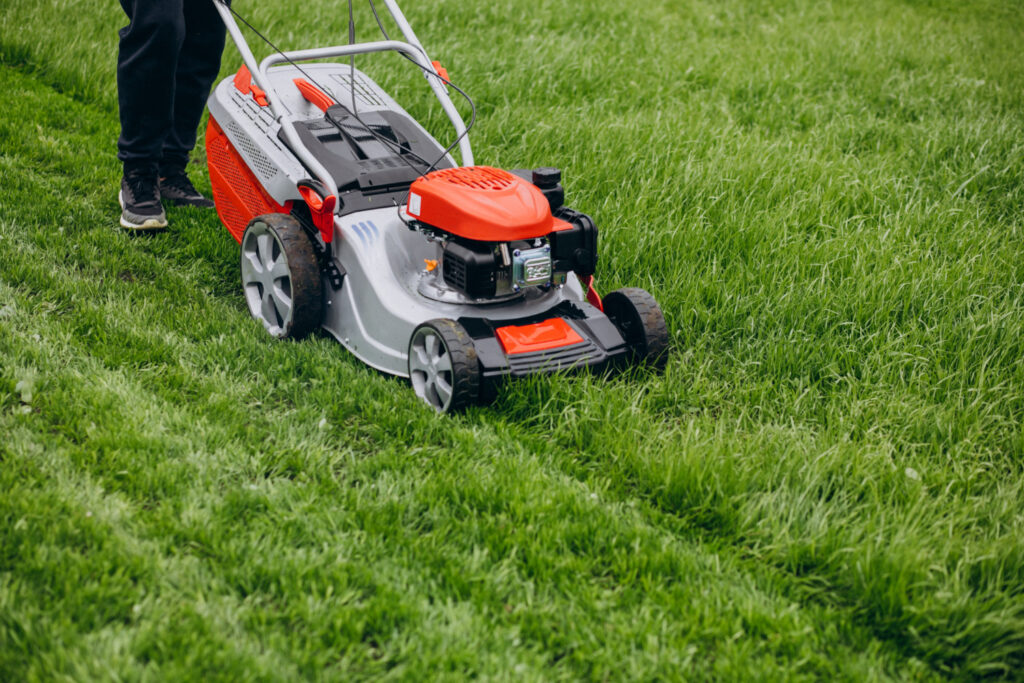
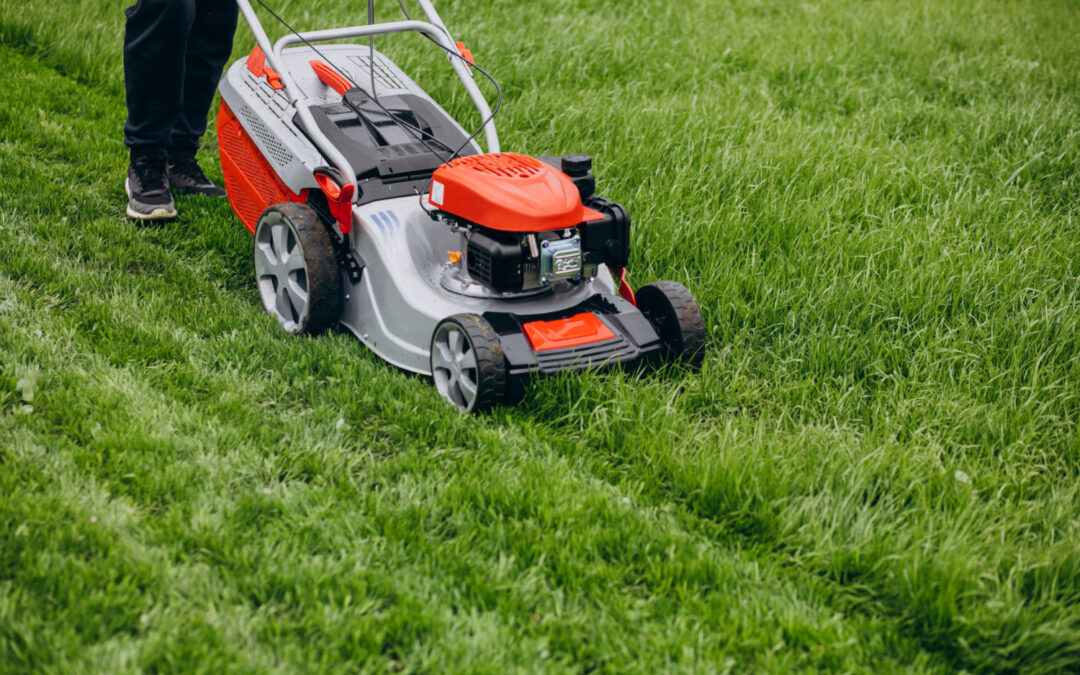
As temperatures begin to cool, grass growth naturally slows. Before winter arrives, it’s a good idea to mow your lawn one final time.
Cutting the grass slightly shorter than during the peak growing season helps reduce the chance of snow mold developing beneath the snow while preventing long blades from matting down over the winter.
Avoid cutting the grass too short, however. Extremely short lawns are more vulnerable to winter stress and may struggle to recover in the spring.
A healthy lawn going into winter is far more likely to green up quickly once temperatures begin to rise.
Continue Watering Until the Ground Freezes
One common misconception is that watering should stop as soon as cooler weather arrives.
In reality, trees, shrubs, and lawns continue storing moisture before winter dormancy. Continuing to water during dry fall weather helps plants enter winter in better condition.
This is especially important for:
Newly planted trees
Young shrubs
Fresh sod
Recent landscaping projects
Once the ground freezes, irrigation and regular watering should stop until spring.
Protect Young Trees and Shrubs
Young trees are particularly vulnerable during Edmonton winters.
Cold temperatures, drying winds, and wildlife can all cause damage.
Depending on the species, homeowners may consider:
Wrapping young tree trunks
Installing tree guards to discourage rabbits
Adding mulch around the base
Removing heavy snow buildup carefully
Established trees generally require less protection, but newer plantings often benefit from a little extra care during their first few winters.
If you’re planning future planting projects, choosing hardy species through our Plant Selection & Planting services can help reduce long-term maintenance while improving winter survival.
Refresh Mulch Before Winter
A fresh layer of mulch does more than improve the appearance of planting beds.
During winter, mulch helps:
Insulate plant roots
Reduce temperature fluctuations
Retain soil moisture
Protect soil from erosion
Suppress weeds for spring
Organic mulch gradually breaks down over time, so refreshing it before winter can improve both plant health and soil quality.
Clean Up Leaves Without Overdoing It
Removing heavy leaf buildup is important, particularly from lawns where thick layers can trap moisture and contribute to disease.
However, not every leaf needs to be removed from every planting bed.
A light layer of leaves around established garden beds can provide insulation and slowly break down as organic matter over the winter.
The goal is to keep lawns clean while allowing planting areas to benefit from natural protection.
Inspect Patios and Walkways Before Snow Arrives
Winter is much easier on hardscaping that’s already in good condition.
Before snow begins to accumulate, take a few minutes to inspect:
Loose pavers
Uneven sections
Cracks
Drainage around patios
Areas where water tends to collect
Addressing small issues before winter often prevents them from becoming larger problems after months of freezing temperatures.
If your outdoor living space is beginning to show signs of settling or movement, professionally built patio construction can restore both safety and long-term durability.
Drain Irrigation Systems Properly
If your property has an irrigation system, winterizing it is one of the most important maintenance tasks of the year.
Water left inside irrigation lines can freeze, expand, and crack pipes or sprinkler heads.
Professional blowouts remove excess water from the system and help prevent expensive repairs when spring arrives.
Avoid Heavy Snow Piles on Landscaping
As snow accumulates throughout the winter, it’s common to pile shoveled snow in convenient areas of the yard.
Whenever possible, avoid piling large amounts of snow directly on:
Young shrubs
Small trees
Delicate planting beds
Decorative stone features
Repeated heavy snow loads can break branches, compact soil, and delay spring growth.
Planning snow storage areas before winter helps reduce unnecessary damage.
Think Beyond This Winter
Preparing your yard for winter isn’t just about protecting it for the next few months. It’s also an opportunity to identify improvements that could make your landscape perform better in future seasons.
For example, you may notice:
Drainage issues after fall rain
Areas where water pools
Plants that struggled through the summer
Patios beginning to settle
Sections of the yard that aren’t being used
These observations can help shape future improvements.
Many homeowners use the winter months to begin planning a professional landscape design, allowing construction to begin as soon as the following season arrives.
A Little Preparation Goes a Long Way
Edmonton winters are unavoidable, but they don’t have to leave your landscape looking worse for wear.
By preparing your lawn, protecting trees and shrubs, inspecting hardscaping, and addressing small issues before the ground freezes, you can help your landscape emerge healthier and ready for another growing season.
If you’re already thinking ahead to next year’s landscaping projects, reach out to our team for a free consultation. We’d be happy to help you create an outdoor space that’s designed to thrive through every season in Alberta.
Buying a new home is exciting, but once the boxes are unpacked, many homeowners turn their attention outside and realize they have a blank slate or an aging yard that needs attention.
It’s easy to jump straight into choosing patio stones, planting flowers, or picking out trees, but the best landscaping projects don’t start with the finishing touches. They start with a plan.
Whether you’ve moved into a brand-new subdivision or an established Edmonton neighborhood, taking the right approach can save money, prevent future problems, and help you create a yard you’ll enjoy for years to come.
Here are a few landscaping tips every new Edmonton homeowner should know before getting started.
Start With a Long-Term Plan
One of the biggest mistakes homeowners make is tackling projects one at a time without thinking about how everything will fit together.
For example, you may install a patio one summer, then decide the following year you’d like an outdoor kitchen, larger planting beds, or a retaining wall. Suddenly, the original patio no longer fits the overall layout and expensive changes become necessary.
Instead, think about your property as a complete outdoor living space.
Ask yourself:
How do you want to use your backyard?
Do you entertain often?
Do you have children or pets?
Would you eventually like an outdoor kitchen or fire pit?
How much maintenance are you comfortable with?
Starting with a professional landscape design allows you to create a master plan that can be completed in phases while ensuring every improvement works together.
Pay Attention to Grading Before Appearance
A beautiful landscape won’t stay beautiful if water isn’t draining properly.
Many Edmonton homes, particularly newer developments, may still settle during the first few years. That can create low spots where water collects or grading that directs moisture toward the home instead of away from it.
Before investing in sod, patios, or planting beds, make sure your property drains properly.
Addressing grading issues early is much easier than trying to correct them after thousands of dollars of landscaping has already been installed.
Don’t Feel Like You Have to Finish Everything at Once
Many homeowners believe they need to complete their entire yard immediately after moving in.
In reality, landscaping often works best when it’s completed in thoughtful phases.
For example:
Phase One
Grading
Drainage
Lawn installation
Phase Two
Patio
Walkways
Retaining walls
Phase Three
Planting
Decorative features
Outdoor living spaces
Taking this approach allows you to spread out costs while still working toward a cohesive final design.
Choose Plants That Thrive in Edmonton
It can be tempting to buy plants based on appearance alone, but not every variety performs well in Alberta’s climate.
Edmonton experiences:
Long winters
Dry summers
Freeze-thaw cycles
Heavy clay soils
Choosing hardy trees, shrubs, and perennials that are suited to local conditions often results in healthier plants that require less watering, less maintenance, and fewer replacements.
If you’re planning new garden beds, our Plant Selection & Planting services can help you choose plants that will thrive in Edmonton’s growing conditions.
Invest in Features You’ll Use Every Week
Homeowners sometimes prioritize landscaping features that look impressive but don’t actually improve how they use their yard.
Instead, focus on improvements that make the biggest impact on your daily life.
For many families, that’s:
A larger patio
Comfortable seating areas
Functional walkways
Better lighting
Easier maintenance
When every feature has a purpose, the yard becomes an extension of your home rather than simply something to look at.
Professionally designed patio construction is often one of the highest-value improvements because it creates usable outdoor living space while improving the overall appearance of the property.
Think About Maintenance Before You Plant
Every landscaping decision affects how much maintenance your yard will require.
Large lawns, oversized planting beds, and high-maintenance plants may look attractive initially, but they also require more mowing, watering, pruning, and seasonal upkeep.
Many Edmonton homeowners now prefer landscapes that balance beauty with practicality.
Choosing durable materials, thoughtful planting layouts, and lower-maintenance designs can help you spend more time enjoying your yard and less time working in it.
Leave Room for Future Projects
One of the biggest advantages of planning ahead is leaving flexibility for future additions.
You may not be ready for an outdoor kitchen, pergola, or larger entertaining space today, but planning for those possibilities now makes future upgrades much easier.
Simple decisions like the location of a patio, utility access, or walkway placement can make a big difference if you decide to expand your outdoor space later.
A Well-Planned Landscape Adds Value for Years to Come
Landscaping isn’t just about making your property look nice this summer. It’s about creating an outdoor space that continues to add value, function, and enjoyment for years to come.
Starting with a clear plan, choosing the right materials, and designing around Edmonton’s unique climate helps avoid costly mistakes while creating a landscape that’s built to last.
Whether you’re working with a blank slate or updating an older property, thoughtful planning is the best investment you can make.
If you’re ready to start transforming your outdoor space, reach out to our team for a free consultation. We’d be happy to help you create a landscape that fits your home, your lifestyle, and your long-term goals.
Winter doesn’t have to mean your landscape becomes lifeless until spring arrives. In fact, some of the best landscaping decisions you can make happen before the snow falls. By designing your yard with Edmonton’s climate in mind, you can create an outdoor space that remains attractive throughout the winter while protecting your investment for years to come.
Sustainable landscaping isn’t just about helping the environment. It’s about building a landscape that requires less maintenance, uses resources more efficiently, and stands up to Alberta’s challenging climate. The City of Edmonton encourages practices like reducing turf, choosing drought-resistant plants, mulching, composting, and designing landscapes that conserve water because they also reduce maintenance and long-term costs.
Here are several ways Edmonton homeowners can create a landscape that looks great year-round while working with winter instead of against it.
Choose Plants That Thrive in Alberta’s Climate
One of the easiest ways to create a more sustainable landscape is by selecting plants that naturally perform well in Edmonton.
Many homeowners choose plants based on appearance alone, only to discover they struggle through harsh winters or require significant watering during the summer. Instead, focus on trees, shrubs, and perennials that are well adapted to Alberta’s growing conditions.
Benefits of climate-appropriate plants include:
Better winter survival
Lower watering requirements
Less fertilizer
Fewer replacements over time
Reduced maintenance
If you’re planning new planting beds, taking the time to choose hardy varieties from the beginning often leads to healthier landscaping and lower long-term costs. Our Plant Selection & Planting services can help you understand which plants are best suited for Edmonton properties.
Reduce Large Lawn Areas
A large lawn may seem appealing, but it often becomes one of the highest-maintenance parts of a property.
Grass requires:
Regular mowing
Fertilizer
Weed control
Watering
Seasonal repair
One sustainable alternative is reducing unnecessary lawn space by incorporating patios, planting beds, decorative rock, or other functional landscape features. The City of Edmonton recommends minimizing turf where practical and replacing it with drought-resistant planting areas or hardscaping to reduce water use and maintenance.
Reducing lawn doesn’t mean eliminating green space entirely. Instead, it’s about creating a yard that balances appearance, usability, and maintenance.
Mulch Protects More Than Just Your Plants
Mulch is often thought of as a finishing touch, but it serves several important purposes throughout the year.
Before winter, a layer of mulch helps:
Insulate plant roots
Retain moisture
Reduce soil erosion
Suppress weeds the following spring
Moderate soil temperature fluctuations
Organic mulches gradually break down and improve soil quality over time, making them one of the simplest sustainable improvements homeowners can make.
The City of Edmonton also recommends mulching as part of its eco-landscaping practices because it helps conserve moisture while reducing watering needs.
Evergreens Keep Your Yard Looking Alive
One of the biggest differences between a thoughtfully designed landscape and an average one becomes obvious in the winter.
Deciduous trees lose their leaves, perennial flowers go dormant, and lawns disappear beneath the snow.
Evergreens continue providing:
Year-round color
Visual structure
Privacy
Wind protection
Strategically placing evergreen trees and shrubs throughout the landscape ensures your property still has texture and interest even during Edmonton’s longest winters.
The City of Edmonton also recommends using evergreens along the north and west sides of a property to help shelter homes from winter winds.
Hardscaping Adds Interest Every Season
Patios, retaining walls, decorative boulders, pathways, and garden borders don’t disappear when winter arrives.
In fact, these features often become more noticeable against a snowy backdrop.
Unlike flowers or annual plantings, quality hardscaping provides:
Year-round visual appeal
Improved functionality
Less seasonal maintenance
Long-term durability
Well-designed hardscaping creates definition and structure in the landscape regardless of the season.
If you’re planning to upgrade your outdoor space, professionally designed patio construction can provide both functional living space during the summer and architectural interest throughout the winter.
Use Water Wisely During the Growing Season
Sustainable winter landscaping actually begins months before winter arrives.
Healthy trees, shrubs, and lawns are much better prepared to survive Alberta winters when they’ve been watered properly throughout the growing season.
Instead of watering lightly every day, the City of Edmonton recommends watering deeply but less frequently to encourage deeper root systems that are more drought tolerant and resilient.
This approach not only conserves water but also helps plants better withstand periods of drought and seasonal stress.
Compost and Improve Your Soil Naturally
Healthy soil creates healthier landscapes.
Adding compost to planting beds improves:
Soil structure
Moisture retention
Nutrient availability
Root development
Over time, healthier soil produces stronger plants that require fewer chemical fertilizers and less intervention.
For Edmonton homeowners dealing with heavier clay soils, improving soil quality can also help planting beds establish more successfully while encouraging healthier root growth.
Plan Your Landscape for Long-Term Success
One of the most sustainable decisions you can make is planning your landscape as a complete project instead of adding features one at a time.
A comprehensive plan considers:
Drainage
Plant placement
Future growth
Outdoor living spaces
Maintenance requirements
This helps avoid expensive redesigns later while ensuring every feature works together.
Starting with a professional landscape design allows homeowners to create a yard that’s both beautiful and practical for years to come.
Sustainability Is About Building a Landscape That Lasts
Sustainable landscaping isn’t about making your yard look wild or replacing everything with gravel. It’s about making thoughtful choices that reduce maintenance, conserve resources, and create a landscape that continues to perform well through Edmonton’s changing seasons.
By choosing hardy plants, improving soil, incorporating durable hardscaping, and designing with Alberta’s climate in mind, homeowners can enjoy an outdoor space that looks great in every season while requiring less work over time.
If you’re planning to update your property, reach out to our team for a free consultation. We’d be happy to help you design a landscape that’s beautiful, practical, and built for Edmonton’s climate.
When homeowners start planning a landscaping project, it’s natural to focus on the upfront cost. Whether you’re dreaming of a new patio, restoring an aging backyard, or completely redesigning your outdoor space, it can be tempting to think that tackling the work yourself will save money.
For smaller projects, that may be true. But larger landscaping projects involve much more than installing stone or planting shrubs. Proper grading, drainage, material selection, and long-term planning all play a major role in how your landscape performs over the years.
Many of the most expensive landscaping problems don’t happen during construction. They happen several seasons later because the project wasn’t planned or built with Edmonton’s unique conditions in mind. Investing in professional planning and installation can help homeowners avoid those costly mistakes while creating an outdoor space that’s built to last.
Proper Planning Prevents Expensive Changes
One of the biggest ways homeowners lose money is by completing landscaping projects one piece at a time without an overall plan.
For example, a patio may be installed one summer, followed by planting beds the next year and a retaining wall several years later. While each project may look good on its own, homeowners often discover that new features don’t quite fit with what was already built. Walkways need to be relocated, patios need to be expanded, or landscaping has to be removed to accommodate future improvements.
Starting with a professional landscape design allows the entire property to be planned before construction begins. Even if the work is completed in phases over several years, having a master plan helps every project fit together while reducing the likelihood of paying to redo finished work later.
Drainage Problems Are Much More Expensive to Fix Later
Drainage is one of the most overlooked aspects of landscaping, but it’s often one of the most expensive problems to correct once construction is complete.
Poor grading can cause water to:
Pool in low areas
Collect against your home’s foundation
Wash away mulch and soil
Damage lawns and planting beds
Shorten the lifespan of patios and walkways
These issues aren’t always immediately obvious. Many homeowners don’t notice a problem until the first heavy rainfall or spring snowmelt.
This is why drainage should be addressed before new landscaping is installed. During many yard restoration projects, correcting grading and drainage is one of the first priorities because it protects every improvement that follows.
Quality Installation Helps Your Landscape Last Longer
A beautiful landscape isn’t just about choosing attractive materials. It’s about how those materials are installed.
Two patios may look identical on the day construction is finished, but five years later one could still be level while the other has settled, shifted, or developed uneven sections.
The difference often comes down to what’s underneath.
Proper excavation, base preparation, and installation techniques help hardscaping withstand Edmonton’s freeze-thaw cycles and changing soil conditions. Investing in quality workmanship upfront often means fewer repairs, lower maintenance costs, and a landscape that continues performing well for years.
If you’re planning a new outdoor living space, investing in professionally built patio construction helps ensure the finished product looks great today and remains durable well into the future.
The Right Materials Can Reduce Long-Term Maintenance
Not every landscaping material performs the same in Alberta’s climate.
Choosing products based solely on appearance can sometimes lead to higher maintenance requirements or earlier replacement. Some materials hold up better to freeze-thaw cycles, while others require more frequent repairs or ongoing upkeep.
Experienced landscapers understand how different products perform over time and can recommend materials based on:
Durability
Maintenance requirements
Budget
Intended use
Edmonton’s climate
Sometimes spending slightly more upfront results in significantly lower maintenance costs over the life of the landscape.
Professional Equipment Produces Better Results
Many landscaping projects require equipment that most homeowners simply don’t own.
Excavating a patio, moving several tonnes of base material, grading a yard, or installing retaining walls all require specialized machinery and experience to achieve the best results.
While equipment rentals are available, the costs can quickly add up, and using unfamiliar machinery often makes projects take much longer than expected.
Professional landscaping crews not only have access to the right equipment but also know how to use it efficiently, reducing delays and helping projects stay on schedule.
Avoid Paying for the Same Project Twice
One of the most common reasons homeowners contact a landscaping company is because an earlier project didn’t perform the way they hoped.
It might be:
A patio that’s begun to sink
Water pooling after every rainfall
Plants that continually struggle
A backyard layout that no longer works
Landscaping that requires far more maintenance than expected
While some problems can be repaired individually, others require portions of the project to be removed and rebuilt.
Planning the project correctly the first time is often far more affordable than paying to correct preventable mistakes later.
Your Time Has Value Too
Large landscaping projects require far more than physical labor.
Homeowners often spend weeks researching materials, comparing products, organizing deliveries, renting equipment, and troubleshooting unexpected problems.
For many people, hiring professionals isn’t simply about convenience. It’s about spending less time managing a construction project and more time enjoying the finished result.
Instead of dedicating evenings and weekends to landscaping for months, you can focus on enjoying a professionally built outdoor space with your family and friends.
Professional Landscaping Protects Your Investment
Your landscape is one of the largest investments you’ll make in your property outside of the home itself. Like any investment, the quality of the planning and construction has a significant impact on how well it performs over time.
Professional landscaping isn’t about spending more money. It’s about spending it wisely.
Thoughtful planning, proper installation, quality materials, and attention to Edmonton’s climate all work together to reduce future repairs, improve durability, and create an outdoor space that’s both beautiful and functional for years to come.
Whether you’re planning a complete backyard transformation or simply exploring ideas for your property, starting with a professional landscape design helps ensure every decision supports your long-term goals. And when you’re ready to move forward, reach out to our team for a free consultation. We’d be happy to discuss your project and help you create an outdoor space that’s built to last.