Older yards often come with a certain amount of character, but they also tend to develop problems over time. Years of weather exposure, settling, aging materials, and changing homeowner needs can gradually make outdoor spaces feel less functional and harder to maintain.
In Edmonton especially, freeze–thaw cycles, heavy spring moisture, and shifting soil conditions can take a toll on patios, grading, planting, and overall yard performance. Many homeowners find themselves constantly fixing small issues without realizing those problems are often connected.
The good news is that most aging yard problems can be corrected with the right plan. Here are some of the most common issues found in older Edmonton properties and what homeowners can do to improve them.
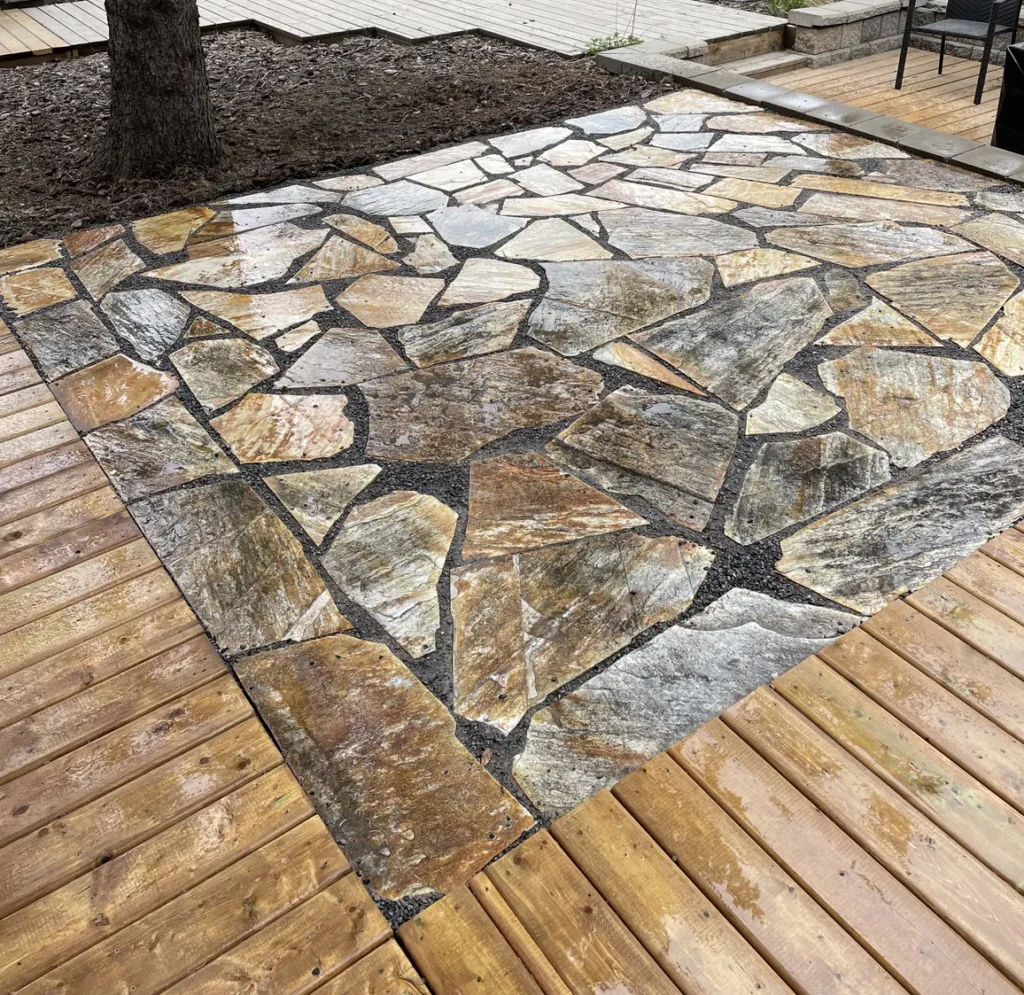
Uneven Patios and Walkways
One of the first signs of an aging yard is shifting hardscaping.
Over time, patios and walkways may begin to:
- Sink in certain areas
- Become uneven
- Develop trip hazards
- Separate or shift during seasonal changes
In Edmonton, this often happens because of freeze–thaw cycles and long-term settling underneath the surface. Older installations may not have been built with the same excavation and base preparation standards used today.
While isolated repairs can sometimes help, widespread movement across multiple areas is often a sign that the yard needs a more comprehensive solution.
In many cases, a full yard restoration allows underlying grading and stability issues to be corrected instead of repeatedly patching surface-level problems.
Drainage and Water Pooling
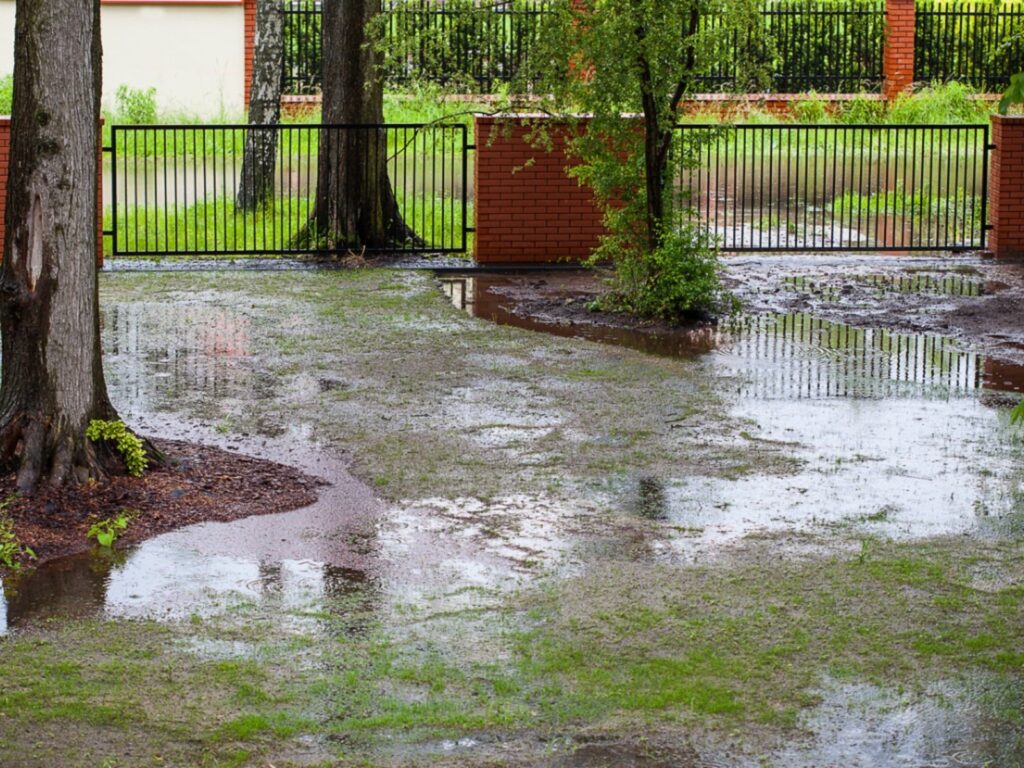
Water problems are extremely common in older Edmonton yards.
Homeowners often notice:
- Standing water after rain
- Muddy sections that stay wet for days
- Water collecting near patios or foundations
- Erosion in planting beds or low areas
These issues are usually tied to improper grading, settling, or drainage systems that no longer work effectively.
Over time, water problems tend to spread and affect other parts of the yard as well. Soft ground can weaken hardscaping, while persistent moisture can damage planting areas and reduce usability.
Correcting drainage often means looking at the overall layout and grading of the property rather than trying short-term fixes.
Outdated Yard Layouts
Many older yards simply weren’t designed for how homeowners use outdoor spaces today.
Years ago, yards often prioritized:
- Large lawn areas
- Minimal entertaining space
- Smaller patios
- Simpler layouts
Today, many homeowners want outdoor spaces that function more like an extension of the home.
Common frustrations include:
- No comfortable gathering area
- Awkward traffic flow
- Unused sections of the yard
- Limited entertaining space
Even if the yard technically still works, the layout may no longer match modern needs or lifestyle preferences.
This is one of the biggest reasons homeowners decide to pursue a yard restoration, allowing the space to be redesigned around how it’s actually used.
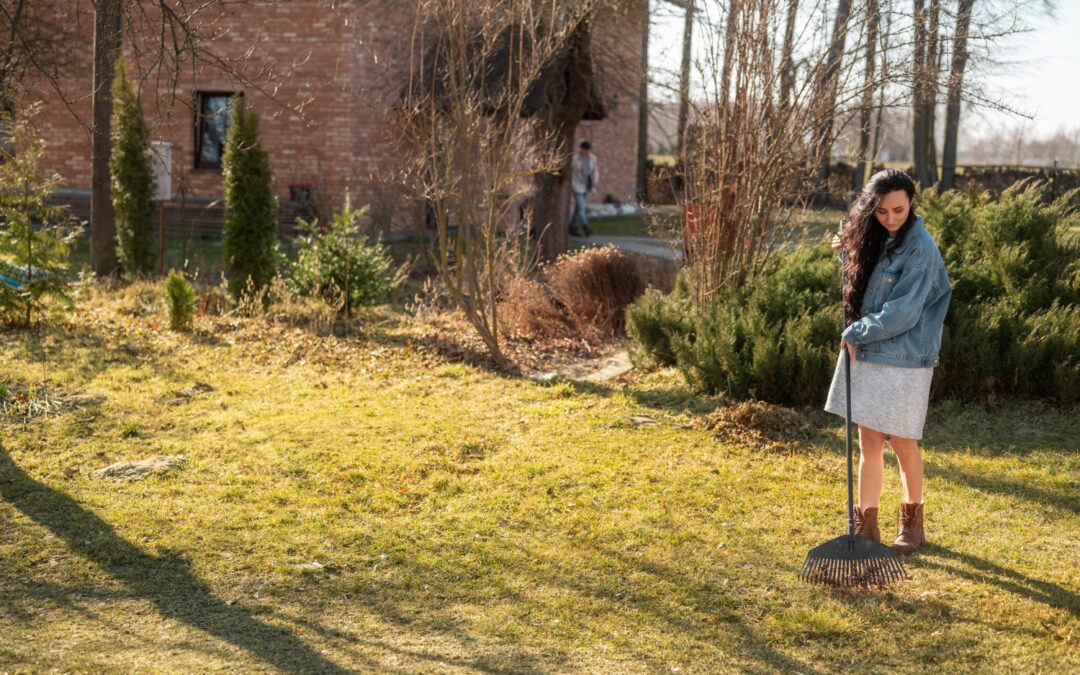
Overgrown or Difficult-to-Maintain Landscaping
Older yards often become harder to maintain over time.
What once looked polished may eventually turn into:
- Overgrown planting beds
- Plants competing for space
- Constant trimming and upkeep
- Landscaping that feels cluttered or dated
Sometimes the original plant selection simply no longer fits the size or conditions of the space.
Many homeowners eventually reach a point where maintaining the yard becomes more stressful than enjoyable.
A restoration project creates the opportunity to simplify planting layouts and create a cleaner, more manageable outdoor environment without sacrificing appearance.
Retaining Walls That Are Beginning to Fail
Retaining walls naturally wear down over time, especially in climates with seasonal movement.
Signs of failure often include:
- Leaning walls
- Cracks or separation
- Bulging sections
- Soil movement behind the wall
Even small structural shifts can gradually worsen if left unaddressed.
Because retaining walls often play an important role in grading and soil stability, repairing or rebuilding them properly can have a major impact on the overall function of the yard.
Outdated Materials and Aging Features
Sometimes the biggest issue isn’t function, it’s appearance.
Older yards may contain:
- Aging paving materials
- Worn edging
- Outdated landscaping styles
- Features that no longer match the home aesthetically
While these materials may still technically function, they can make the property feel older or less cohesive overall.
Updating these features during a restoration project often creates a much more polished and intentional look.
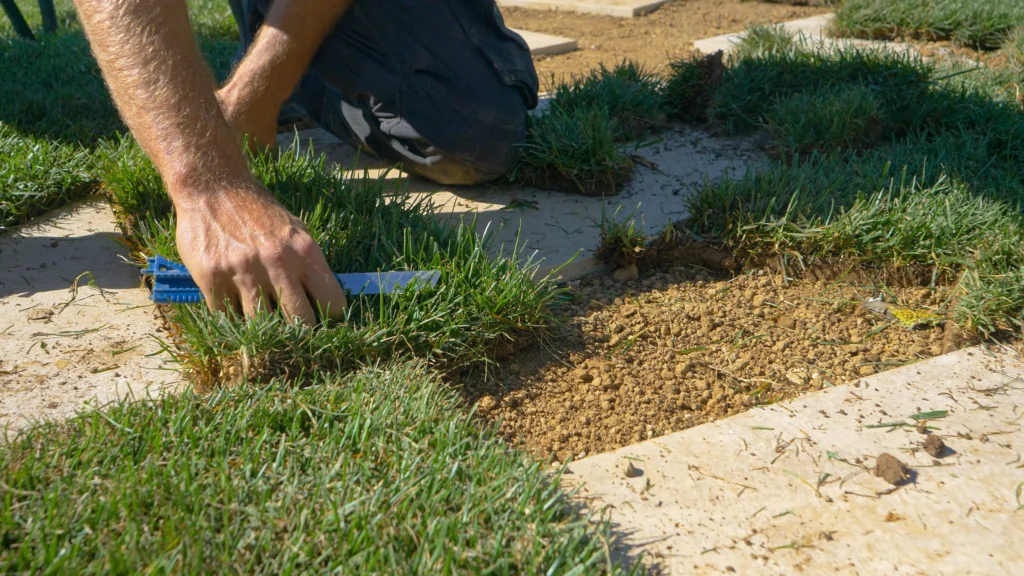
Years of Small Repairs Add Up
Many older yards slowly become collections of temporary fixes.
Homeowners may find themselves:
- Re-leveling sections every spring
- Repairing drainage issues repeatedly
- Replacing struggling plants year after year
- Fixing the same problems season after season
Eventually, patching problems becomes more expensive and frustrating than addressing the underlying causes.
At that point, rebuilding the yard with a clear plan often becomes the better long-term investment.
Older Yards Often Need More Than Cosmetic Fixes
One of the biggest misconceptions homeowners have is assuming a few surface-level upgrades will solve deeper problems.
In reality, issues like:
- Drainage
- Settling
- Poor flow
- Aging hardscaping
- High maintenance requirements
…are often connected.
Addressing them properly usually requires stepping back and looking at how the entire outdoor space functions together.
That’s why many homeowners ultimately choose a full yard restoration, allowing them to modernize the space while fixing long-standing problems at the same time.
If your yard feels harder to maintain, less functional than it used to be, or filled with recurring issues, it may be time to consider rebuilding with a long-term plan in mind. You can always reach out to our team to discuss your yard and goals.