Edmonton winters are tough on landscapes. Snow, ice, freezing temperatures, and repeated freeze-thaw cycles can all take a toll on your lawn, plants, patios, and other outdoor features. While winter weather is unavoidable, preparing your yard before the cold arrives can help reduce damage and make spring cleanup much easier.
Many homeowners think landscaping season ends in the fall, but a little preparation before winter can have a big impact on how well your yard performs the following year.
Here are some simple steps that can help protect your landscape through another Alberta winter.
Give Your Lawn One Final Cut
As temperatures begin to cool, grass growth naturally slows. Before winter arrives, it’s a good idea to mow your lawn one final time.
Cutting the grass slightly shorter than during the peak growing season helps reduce the chance of snow mold developing beneath the snow while preventing long blades from matting down over the winter.
Avoid cutting the grass too short, however. Extremely short lawns are more vulnerable to winter stress and may struggle to recover in the spring.
A healthy lawn going into winter is far more likely to green up quickly once temperatures begin to rise.
Continue Watering Until the Ground Freezes
One common misconception is that watering should stop as soon as cooler weather arrives.
In reality, trees, shrubs, and lawns continue storing moisture before winter dormancy. Continuing to water during dry fall weather helps plants enter winter in better condition.
This is especially important for:
- Newly planted trees
- Young shrubs
- Fresh sod
- Recent landscaping projects
Once the ground freezes, irrigation and regular watering should stop until spring.
Protect Young Trees and Shrubs
Young trees are particularly vulnerable during Edmonton winters.
Cold temperatures, drying winds, and wildlife can all cause damage.
Depending on the species, homeowners may consider:
- Wrapping young tree trunks
- Installing tree guards to discourage rabbits
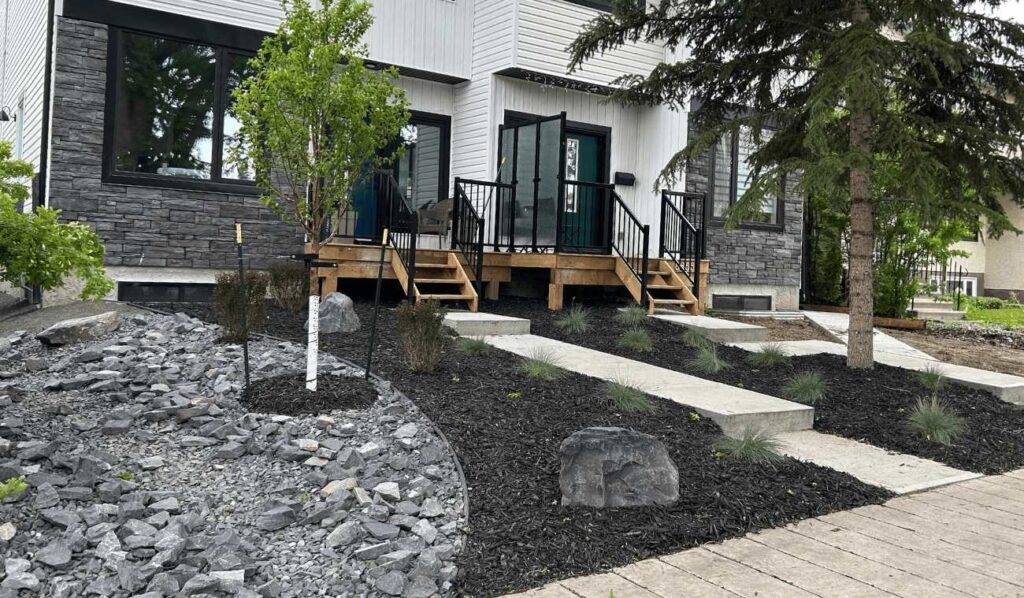
- Adding mulch around the base
- Removing heavy snow buildup carefully
Established trees generally require less protection, but newer plantings often benefit from a little extra care during their first few winters.
If you’re planning future planting projects, choosing hardy species through our Plant Selection & Planting services can help reduce long-term maintenance while improving winter survival.
Refresh Mulch Before Winter
A fresh layer of mulch does more than improve the appearance of planting beds.
During winter, mulch helps:
- Insulate plant roots
- Reduce temperature fluctuations
- Retain soil moisture
- Protect soil from erosion
- Suppress weeds for spring
Organic mulch gradually breaks down over time, so refreshing it before winter can improve both plant health and soil quality.
Clean Up Leaves Without Overdoing It
Removing heavy leaf buildup is important, particularly from lawns where thick layers can trap moisture and contribute to disease.
However, not every leaf needs to be removed from every planting bed.
A light layer of leaves around established garden beds can provide insulation and slowly break down as organic matter over the winter.
The goal is to keep lawns clean while allowing planting areas to benefit from natural protection.
Inspect Patios and Walkways Before Snow Arrives
Winter is much easier on hardscaping that’s already in good condition.
Before snow begins to accumulate, take a few minutes to inspect:
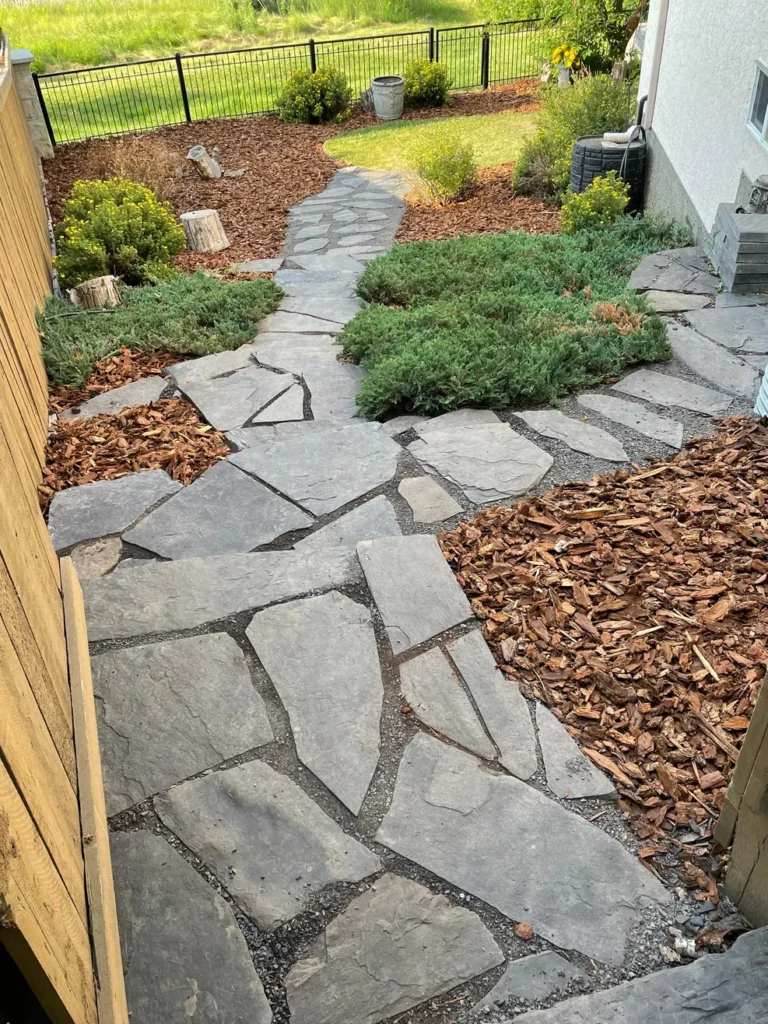
- Loose pavers
- Uneven sections
- Cracks
- Drainage around patios
- Areas where water tends to collect
Addressing small issues before winter often prevents them from becoming larger problems after months of freezing temperatures.
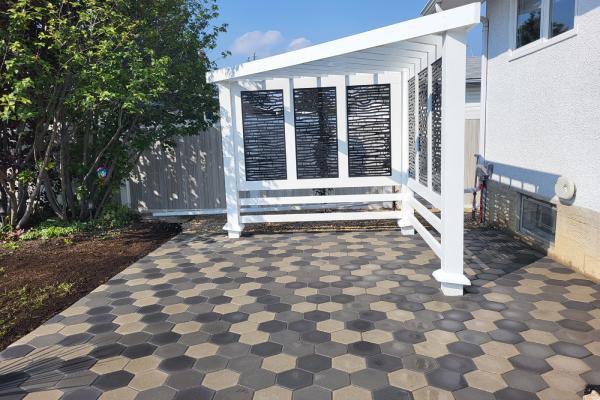
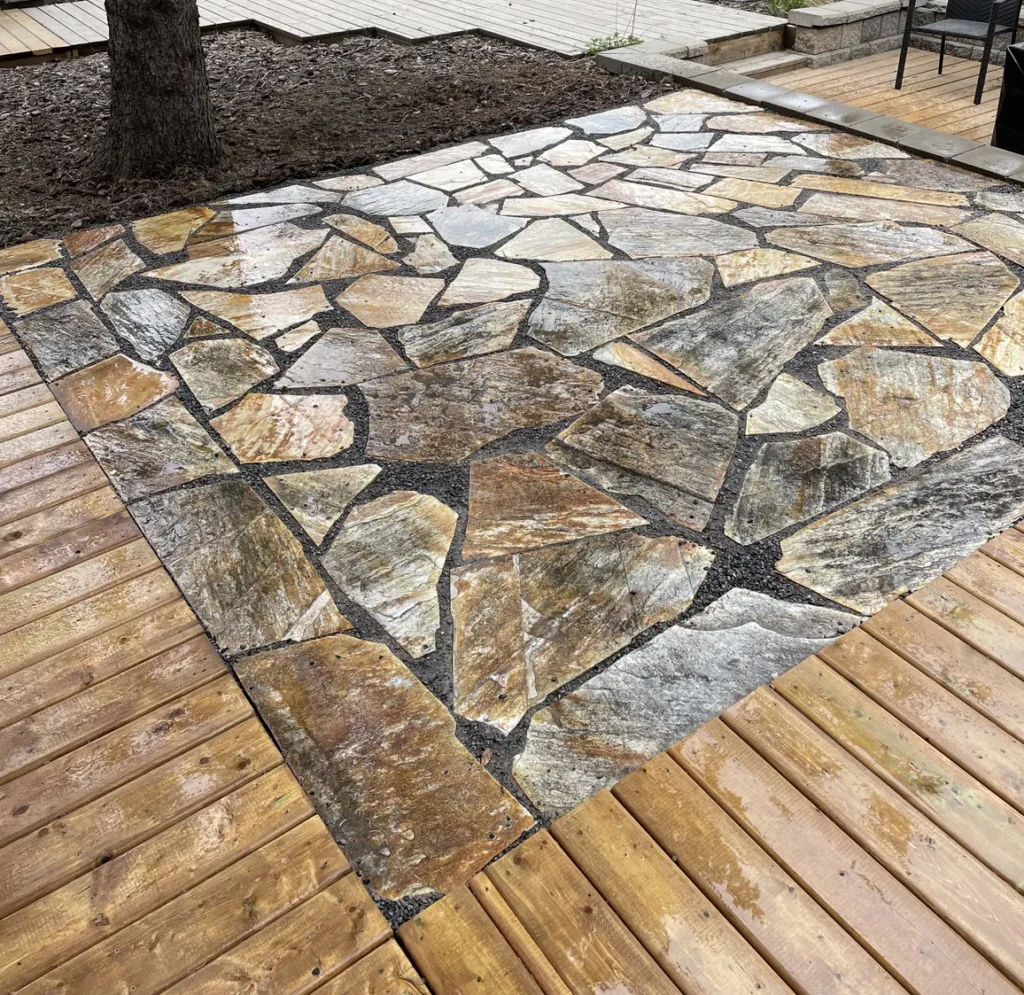
If your outdoor living space is beginning to show signs of settling or movement, professionally built patio construction can restore both safety and long-term durability.
Drain Irrigation Systems Properly
If your property has an irrigation system, winterizing it is one of the most important maintenance tasks of the year.
Water left inside irrigation lines can freeze, expand, and crack pipes or sprinkler heads.
Professional blowouts remove excess water from the system and help prevent expensive repairs when spring arrives.
Avoid Heavy Snow Piles on Landscaping
As snow accumulates throughout the winter, it’s common to pile shoveled snow in convenient areas of the yard.
Whenever possible, avoid piling large amounts of snow directly on:
- Young shrubs
- Small trees
- Delicate planting beds
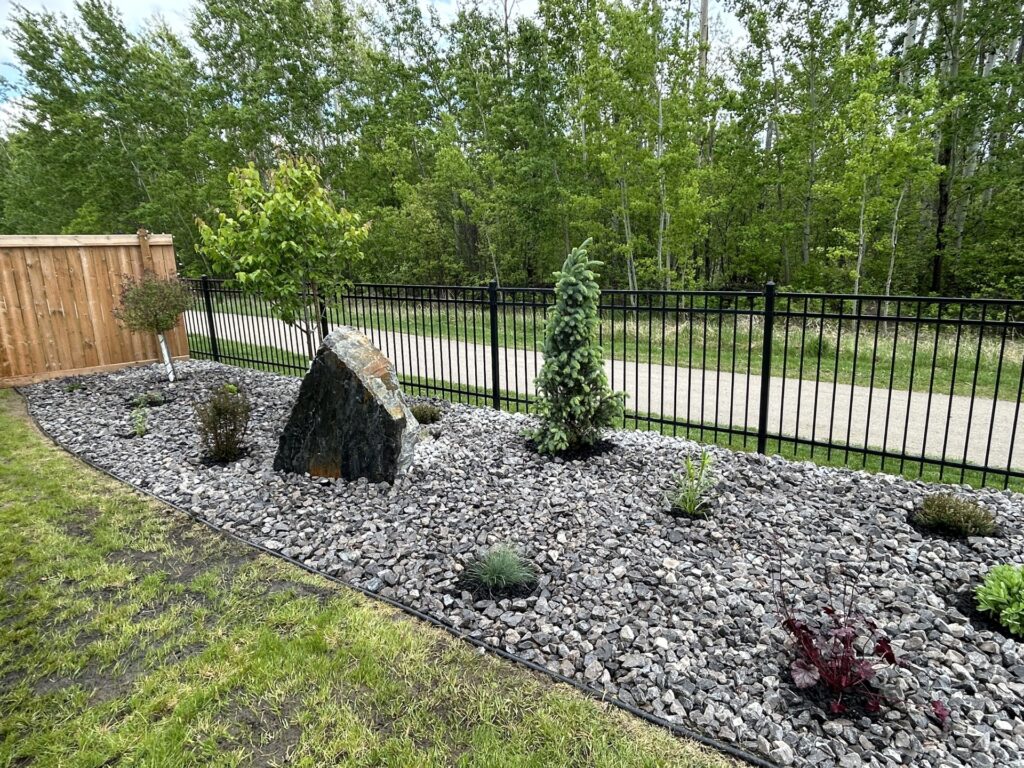
- Decorative stone features
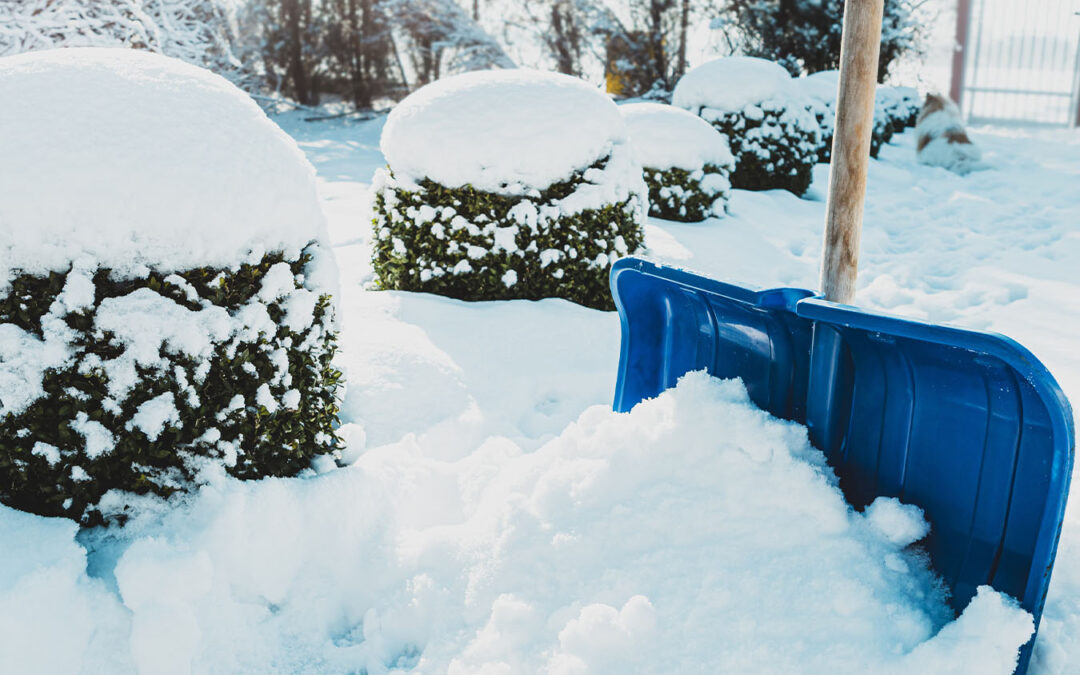
Repeated heavy snow loads can break branches, compact soil, and delay spring growth.
Planning snow storage areas before winter helps reduce unnecessary damage.
Think Beyond This Winter
Preparing your yard for winter isn’t just about protecting it for the next few months. It’s also an opportunity to identify improvements that could make your landscape perform better in future seasons.
For example, you may notice:
- Drainage issues after fall rain
- Areas where water pools
- Plants that struggled through the summer
- Patios beginning to settle
- Sections of the yard that aren’t being used
These observations can help shape future improvements.
Many homeowners use the winter months to begin planning a professional landscape design, allowing construction to begin as soon as the following season arrives.
A Little Preparation Goes a Long Way
Edmonton winters are unavoidable, but they don’t have to leave your landscape looking worse for wear.
By preparing your lawn, protecting trees and shrubs, inspecting hardscaping, and addressing small issues before the ground freezes, you can help your landscape emerge healthier and ready for another growing season.
If you’re already thinking ahead to next year’s landscaping projects, reach out to our team for a free consultation. We’d be happy to help you create an outdoor space that’s designed to thrive through every season in Alberta.