Planning a new landscape often starts with ideas. Maybe you want a larger patio, more privacy, new planting beds, better drainage, or a backyard that requires less maintenance. The challenge is figuring out how all of those pieces should work together.
That is where professional landscape design comes in.
Rather than making improvements one project at a time, a landscape design creates a plan for the entire outdoor space. It considers how you want to use your yard, the existing conditions of the property, which features you want to include, and how those features will fit together.
But how much does landscape design cost in Edmonton?
There isn’t one standard price that applies to every property. The cost depends heavily on the size of the yard, complexity of the project, existing site conditions, and level of planning required. Understanding those factors can help you determine what to expect before beginning your project.
What Is Included in Landscape Design?
Landscape design is more than deciding where to put a patio or which plants will look best beside the house.
A good design considers the entire property and how each part of the landscape affects the others.
Depending on the project, professional landscape design services may involve planning for:
- Patios and outdoor living areas
- Walkways and pathways
- Retaining walls
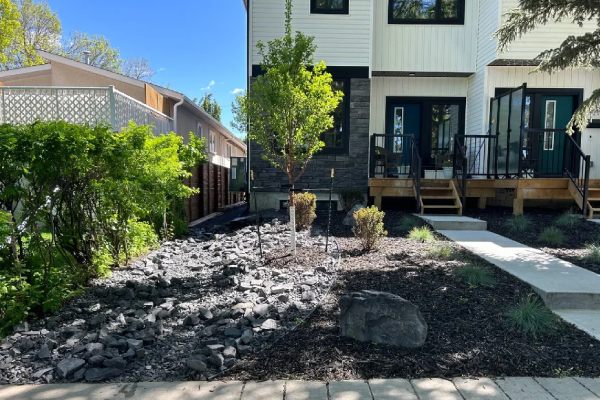
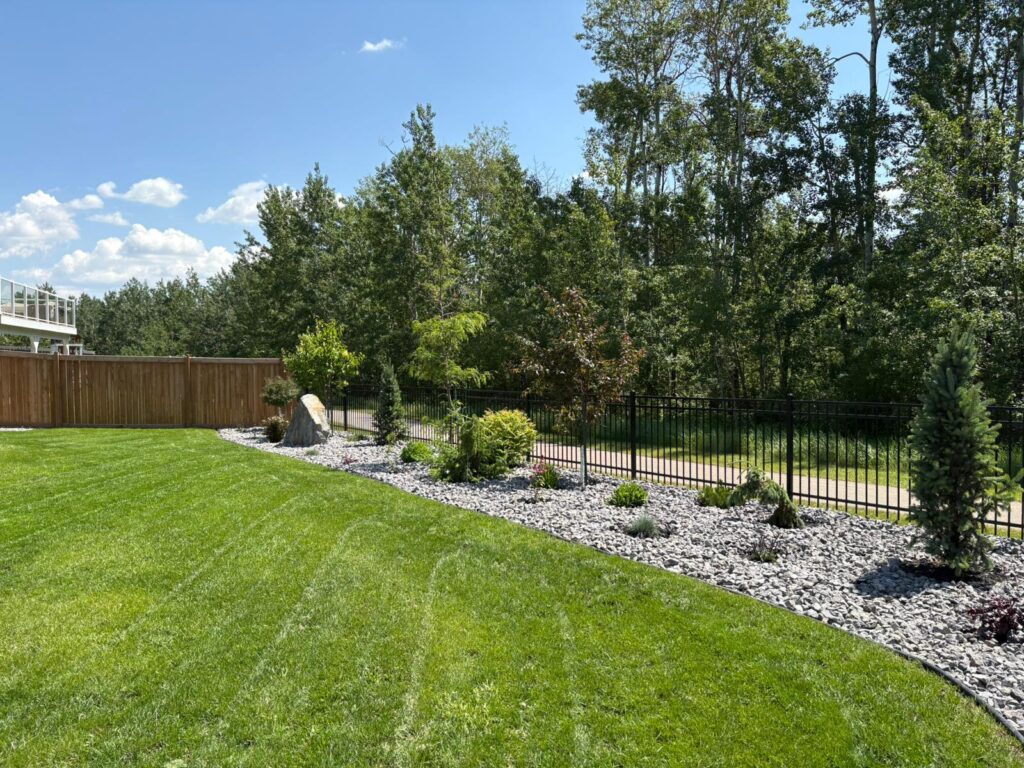
- Trees, shrubs, and planting beds
- Landscape lighting
- Low-maintenance areas
- Artificial turf
- Grading and drainage considerations
- Privacy and screening
- Changes in elevation
- Traffic flow through the yard
The goal is to create a cohesive plan before construction begins.
This becomes especially important when a project includes several different features. The location of a retaining wall could affect a walkway. Patio elevations can affect drainage. Plant placement can influence privacy and how the yard looks several years after installation.
Planning these details beforehand can prevent problems that are much more expensive to correct once construction has started.
How Much Should You Budget for Landscape Design in Edmonton?
Landscape design pricing can vary significantly because the scope of the work can range from planning a relatively straightforward yard to developing a detailed plan for a complete outdoor transformation.
For that reason, homeowners should be cautious about treating any generic online price as a guaranteed estimate.
A relatively simple property with a clear layout and limited features will typically require less planning than a yard involving major elevation changes, extensive hardscaping, drainage concerns, multiple outdoor living areas, or a complete redesign.
The best way to establish an accurate budget is to first determine what you want the finished property to accomplish.
Do you primarily want to improve curb appeal?
Are you creating an outdoor entertaining space?
Do you need to solve problems with the existing yard?
Are you planning a complete landscape renovation?
The answers help determine how involved the design needs to be.
What Affects the Cost of Landscape Design?
Several factors can make one landscape design significantly more involved than another.
Size of the Property
The size of the yard is one of the most obvious considerations.
A small urban backyard generally has fewer areas to plan than a large property with extensive front, side, and rear yards.
However, square footage isn’t everything.
A small property can still require detailed planning if the homeowner wants to fit several features into a limited space. In these situations, careful design may actually become more important because every square foot needs a purpose.
Complexity of the Design
A simple yard with lawn, planting beds, and a walkway will usually be easier to plan than a complete backyard with a patio, retaining walls, lighting, multiple planting areas, and elevation changes.
Each additional feature has to work with everything around it.
For example, adding a patio isn’t simply a matter of choosing its shape. You also need to consider its size, access from the house, surrounding grades, drainage, nearby planting areas, walkways, furniture placement, and how people will move between different parts of the yard.
The more elements being incorporated, the more detailed the planning process becomes.
Existing Yard Conditions
Sometimes the biggest design challenges are already present on the property.
Poor drainage, damaged turf, steep slopes, compacted soil, awkward elevations, and aging landscaping can all affect what is possible.
These issues should be identified before new landscaping is installed.
Designing around existing problems without addressing them can result in a beautiful yard that doesn’t perform properly. Water may collect near patios, soil can erode around slopes, or plants may struggle because the underlying conditions were never corrected.
A professional design considers the condition of the property as well as its appearance.
Grading and Drainage
Water management should be considered early in the design process, particularly on properties with noticeable slopes or existing drainage problems.
Patios, walkways, retaining walls, planting beds, and changes to the grade can all influence how water moves through the yard.
This is one reason planning individual projects in isolation can cause problems.
A patio installed without considering the surrounding grade may interfere with drainage. A retaining wall can change how runoff travels through the property. Even planting beds can influence water movement depending on their placement and elevation.
Addressing these relationships during the landscape design process helps create a yard that functions properly as a whole.
Hardscaping
Hardscaping generally requires more detailed planning than simply adding lawn or planting beds.
Features may include:
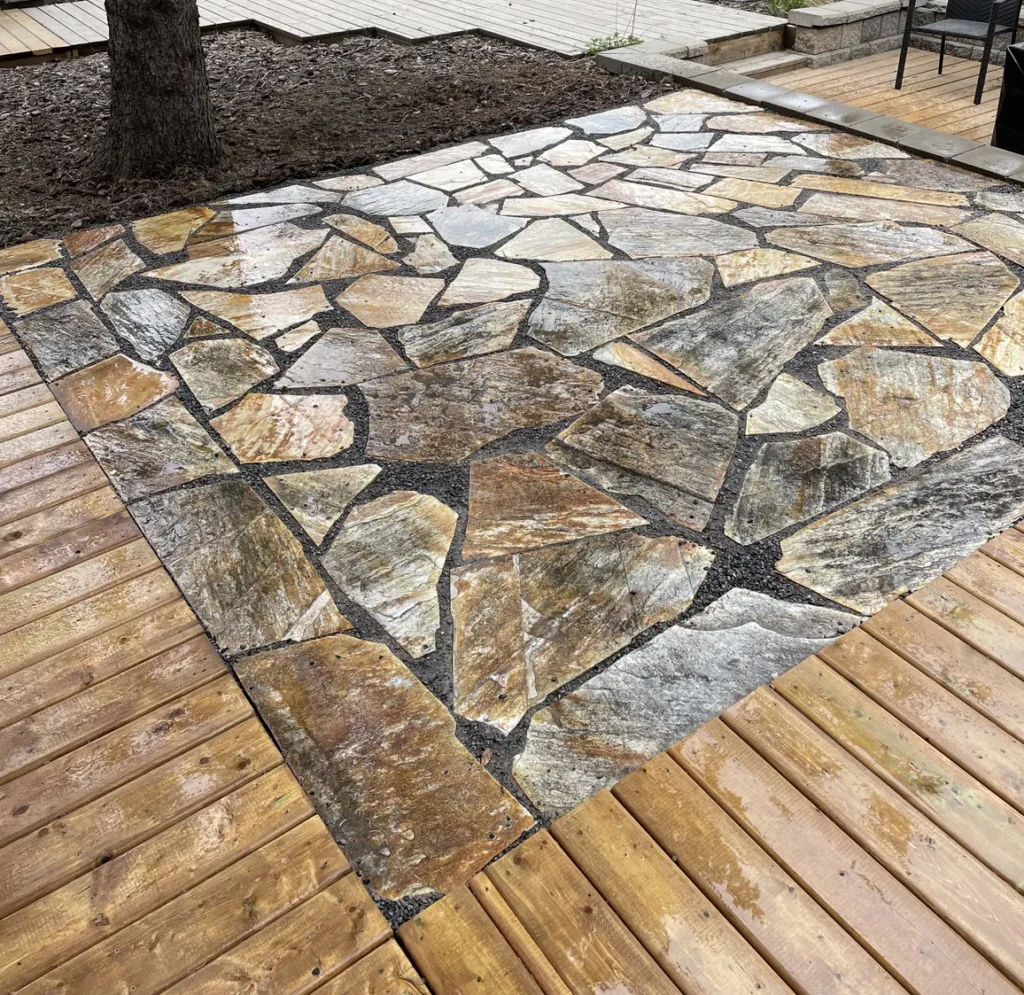
- Stone patios
- Paver patios
- Walkways
- Steps
- Retaining walls
- Borders
- Outdoor gathering areas
Hardscape features need to be positioned carefully because they are difficult and expensive to relocate later.
They also tend to establish the structure of the landscape. Once patios, walkways, and walls are in place, planting beds and other softer elements can be designed around them.
Plant Selection
Plants may seem like one of the easier parts of landscape design, but good planting plans account for how the landscape will develop over time.
A small shrub at the garden centre may eventually become several feet wide. Trees can create shade over areas that were previously sunny. Plants that look appropriately spaced during installation can become overcrowded as they mature.
Edmonton’s climate also makes plant selection particularly important.
Choosing plants that are suited to local conditions can reduce replacement and maintenance needs while creating a landscape that looks better as it matures.
A thoughtful design considers mature plant size, sunlight, soil conditions, water requirements, seasonal interest, and the amount of maintenance the homeowner is comfortable with.
Why Professional Landscape Design Can Save Money
Paying for planning might seem like another project expense, but good design can help prevent much larger costs later.
One of the most common problems with landscaping is completing projects individually without considering what will happen next.
A homeowner might build a patio this year, add a walkway two years later, and eventually decide they need a retaining wall or larger planting beds.
If those projects weren’t planned together, the newer work may conflict with what was already installed.
The patio may need to be modified.
A walkway may be in the wrong location.
Plants may have to be removed.
Drainage may need to be corrected.
Starting with a professional landscape design provides a roadmap for the property. Even if you don’t build everything immediately, you know where future features will go and can avoid creating obstacles for later phases.
Can You Design the Entire Yard but Build It in Phases?
Yes, and for many homeowners, this can be one of the smartest ways to approach a larger landscaping project.
You don’t necessarily have to complete everything in one season.
A complete design can establish the long-term vision while construction is divided into manageable phases.
For example:
Phase 1: Correct grading and drainage issues.
Phase 2: Build structural features such as retaining walls, patios, and walkways.
Phase 3: Install planting beds, trees, shrubs, and lawn areas.
Phase 4: Add finishing elements such as landscape lighting.
The exact order will depend on the property, but the important part is that every phase follows the same plan.
This can make a larger project easier to budget without sacrificing the final result.
Is Landscape Design Worth It for a Smaller Yard?
Professional design isn’t only useful for large properties.
In fact, smaller yards can benefit considerably from careful planning because there is less room for error.
If you have a compact backyard, you may need to fit an entertaining area, walkway, planting beds, storage, and open space into a relatively limited footprint.
Poor placement can make the yard feel cramped.
Good design can do the opposite.
By considering proportions, sightlines, traffic patterns, planting, and how each area will be used, a relatively small yard can feel considerably more functional.
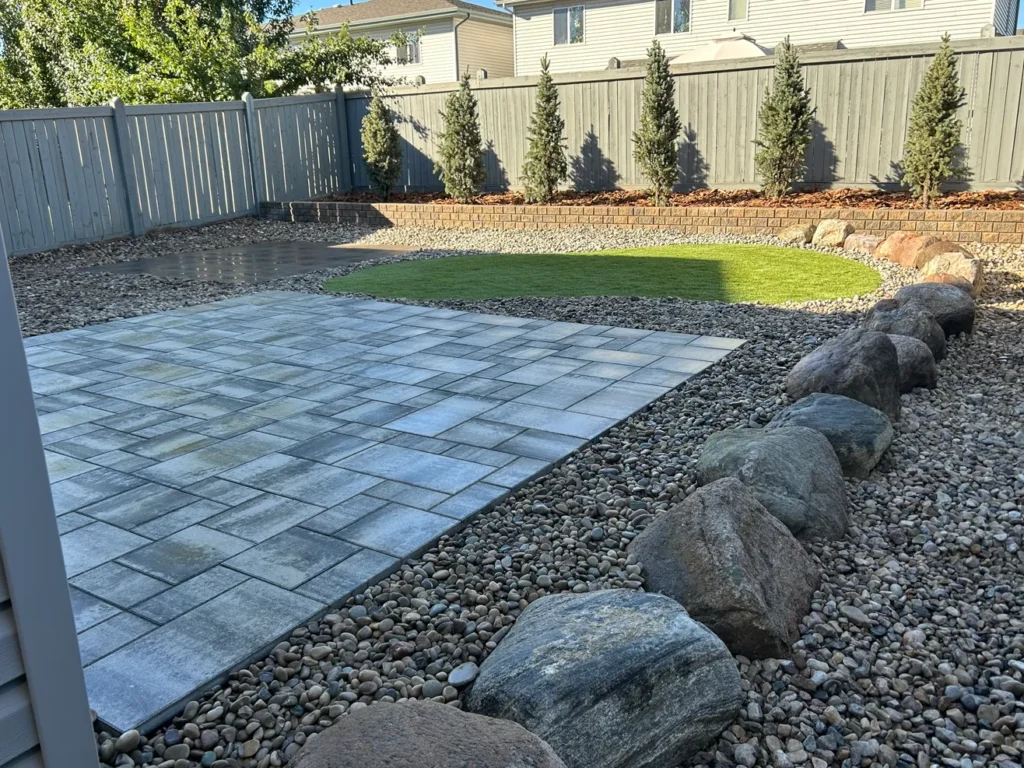
What About Low-Maintenance Landscape Design?
Maintenance should be part of the conversation from the beginning.
Some homeowners enjoy gardening and don’t mind spending weekends maintaining their property. Others want an attractive outdoor space that requires as little ongoing work as possible.
Those goals result in very different designs.
A low-maintenance plan might incorporate:
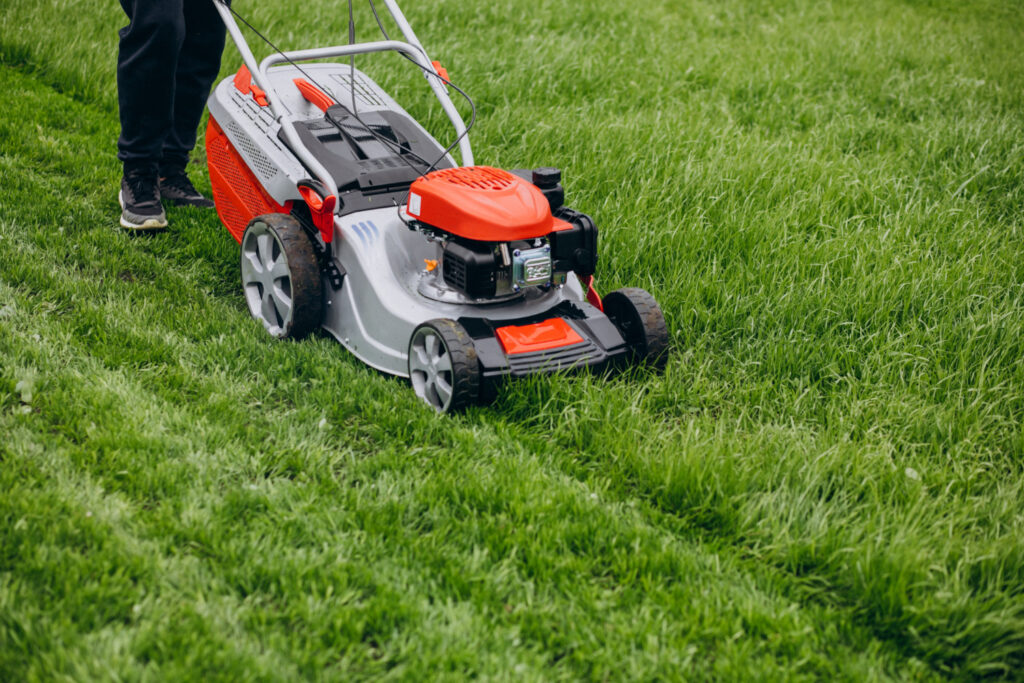
- Reduced lawn areas
- Durable hardscaping
- Decorative rock or mulch
- Carefully selected shrubs and perennials
- Defined planting beds
- Artificial turf in appropriate areas
- Efficient pathways
- Simple planting layouts
The important thing is to be realistic about how much maintenance you want to perform after construction is complete.
There’s little benefit in creating an elaborate landscape if maintaining it eventually becomes a burden.
Should Landscape Design Come Before Getting a Construction Quote?
For larger projects, having a clear idea of the design can make budgeting much easier.
It’s difficult to estimate the cost of “redoing the backyard” because that could mean almost anything.
Once the project is defined, the contractor can better understand the materials, labour, site preparation, and construction involved.
A design also gives homeowners an opportunity to adjust the project before construction starts.
If the initial vision exceeds the available budget, features can be changed, simplified, removed, or planned for a later phase.
Making those decisions on paper is usually much easier than making them after excavation or installation has begun.
What Should You Decide Before Meeting With a Landscape Designer?
You don’t need to have every detail figured out.
That’s part of the reason you’re working with a professional in the first place.
However, it helps to think about a few basic questions beforehand:
- What don’t you like about the existing yard?
- How do you want to use the space?
- Who will regularly use it?
- Do you entertain outdoors?
- Do children or pets need open space?
- How much maintenance do you want?
- Are privacy or screening important?
- Are there drainage or grading problems?
- Which features are priorities?
- What is your overall project budget?
It can also help to collect a few photos of landscapes you like. These don’t need to match your property exactly. They’re simply useful for communicating your preferences.
Design Around Your Budget From the Beginning
One of the biggest advantages of establishing a realistic budget early is that the landscape can be designed around it.
If the budget is limited, the project can prioritize the improvements that will have the greatest impact.
Perhaps drainage needs to be addressed before anything else.
Maybe the patio is the main priority, while additional planting and lighting can wait.
Or perhaps a simpler material choice allows you to complete more of the overall landscape at once.
Good landscape design isn’t about adding as many features as possible. It’s about using the available space and budget effectively.
Landscape Design for Edmonton Homes
Every property presents a different set of opportunities and challenges.
Some homeowners start with a blank yard and want to create an outdoor space from scratch. Others have an established landscape that no longer works for their needs. Some are dealing with drainage, slopes, deteriorating hardscaping, or planting areas that have become difficult to maintain.
A well-planned landscape brings those individual concerns together into one cohesive plan.
Lush Landscaping & Restoration provides landscape design services in Edmonton for homeowners looking to improve the beauty, functionality, and long-term usability of their outdoor spaces. From patios and retaining walls to planting, walkways, lighting, and low-maintenance layouts, the goal is to create a design that works for both the property and the people using it.
If you’re considering a new landscape, starting with a plan can help you understand the scope of the project, establish priorities, and make smarter decisions about where to invest your budget.