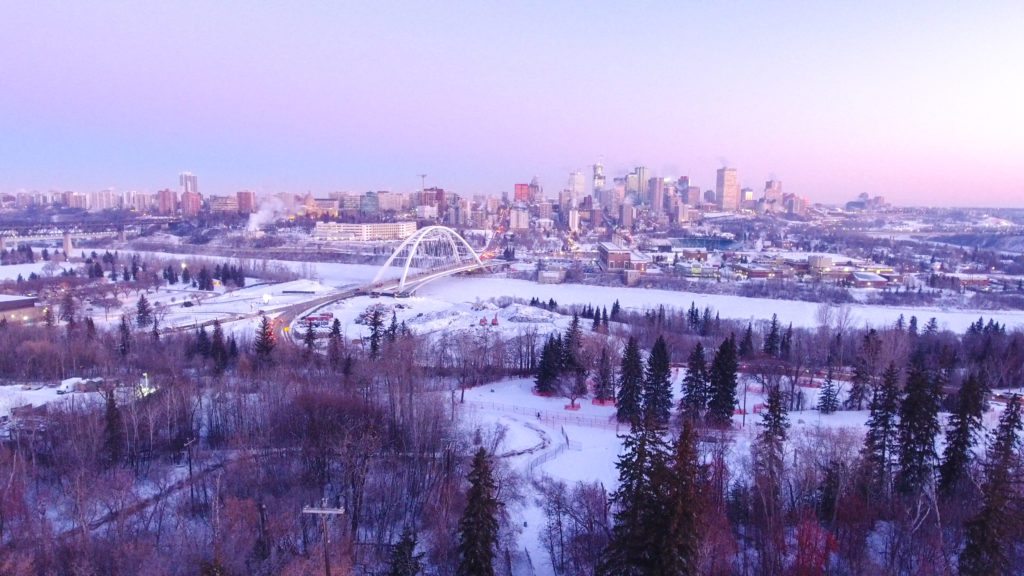
Alberta winters are long, cold, and hard on outdoor spaces. While snow can make a yard look peaceful for a few months, the conditions beneath the surface are constantly changing. Freeze–thaw cycles, heavy snow, and spring melt all affect the soil, plants, and hardscape features around your home.
Many homeowners only notice problems once the snow disappears in spring, but most landscaping damage actually happens during the winter months. Understanding what winter does to your yard can help you prevent costly repairs and know when it’s time to make improvements.
The Biggest Cause of Damage: Freeze–Thaw Cycles
One of the most challenging parts of Alberta’s climate is the frequent fluctuation between freezing and thawing temperatures. During the day, snow melts slightly and water seeps into soil and small cracks in hard surfaces. Overnight, that water freezes and expands.
This repeated expansion pushes soil upward and shifts anything sitting on top of it. The result is what’s known as frost heave.
Frost heave can cause:
- Uneven walkways
- Tilted patio stones
- Leaning retaining walls
- Cracked joints
- Sunken or raised sections of your yard
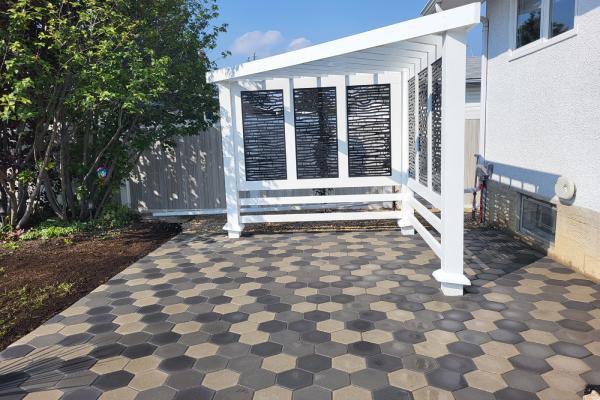
When outdoor features aren’t built on a proper base, winter movement becomes much more noticeable. Professionally installed patio construction and walkway construction are designed with compacted base layers and drainage so the surface stays stable through repeated freeze–thaw cycles.
Why Spring Brings Mud, Water, and Soft Ground
When the snow melts, all that frozen moisture has to go somewhere. If the yard was not graded correctly or lacks drainage pathways, water collects in low areas.
This is why many Edmonton homeowners see:
- Persistent mud
- Standing water
- Soggy grass
- Areas that never dry out
Often the issue is not the lawn itself but the underlying soil structure. Over time, compaction and improper grading prevent water from draining away from the property.
In these cases, reseeding or adding new sod rarely fixes the problem. Instead, homeowners often need yard restoration services to correct grading, improve soil structure, and direct water away from the home.
Hardscapes: Patios, Walkways, and Retaining Walls
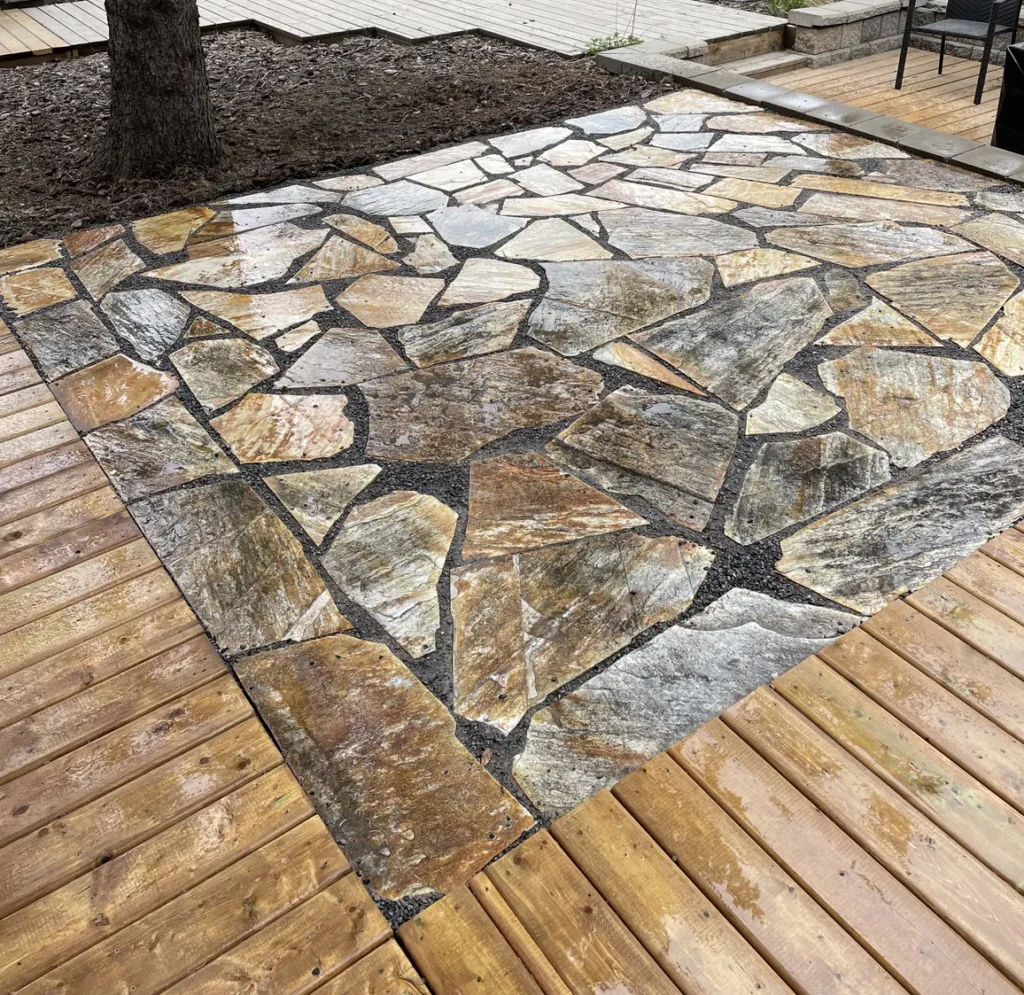
Hardscape features take the most visible impact from winter conditions. When installed on a weak or shallow base, shifting soil moves the stones along with it.
You might notice:
- Pavers separating
- Edges lifting
- Steps becoming uneven
- Retaining walls starting to lean
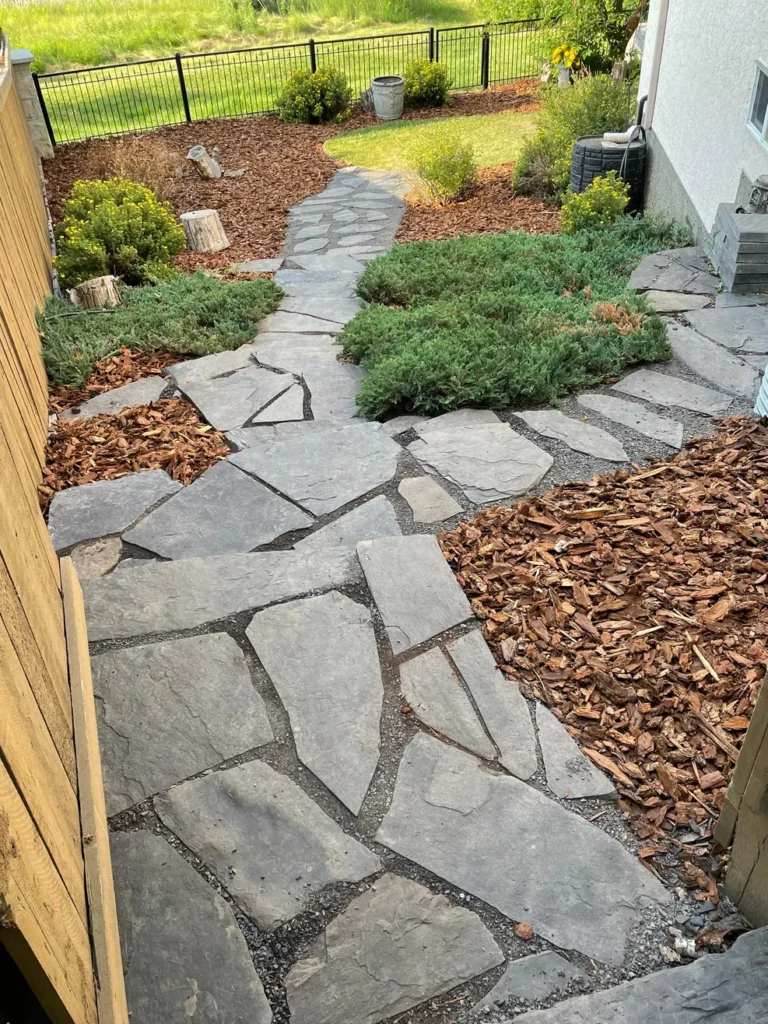
These issues rarely correct themselves and typically worsen each year as freeze–thaw cycles repeat. Proper retaining wall construction helps stabilize soil, manage elevation changes, and prevent erosion, while correctly built walkways and patios resist movement.
What Winter Does to Plants and Soil
Winter also affects the parts of your landscape that are less obvious.
Cold temperatures can damage plant roots, especially for species not suited to Alberta’s conditions. At the same time, heavy snow compresses the soil beneath it. When the ground thaws, compacted soil can prevent proper root growth and water absorption.
This often leads to:
- Patchy lawns
- Plants failing to return in spring
- Yellowing grass
- Poor growth throughout the season
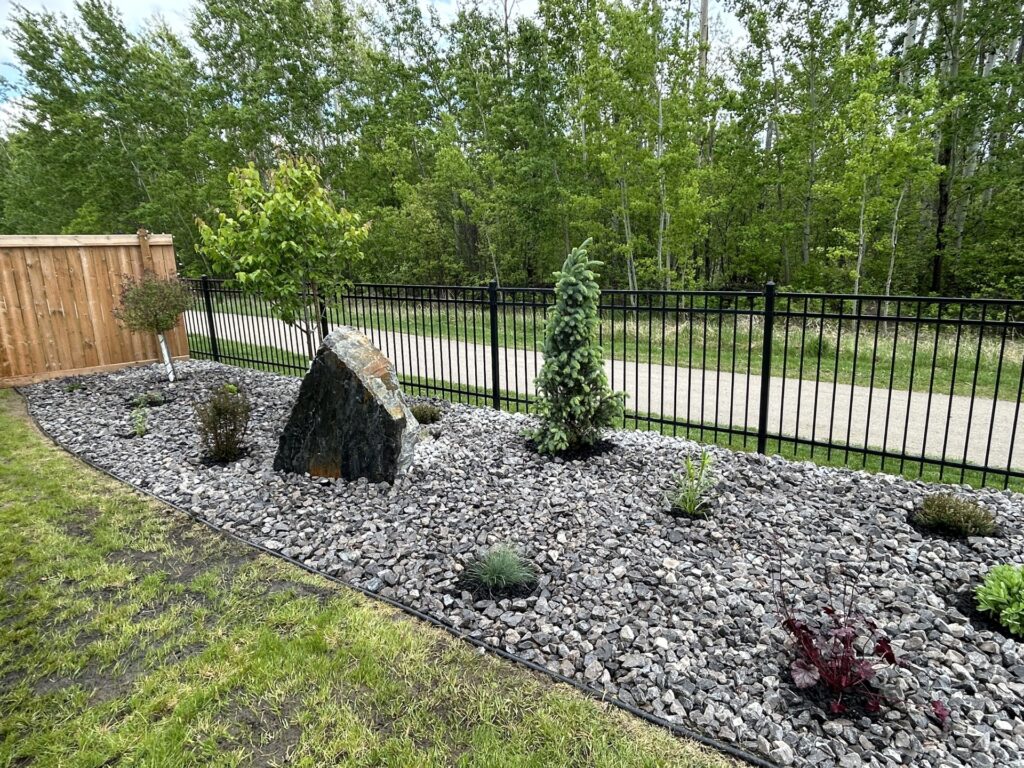
Choosing hardy species and installing them properly makes a major difference. Professional plant selection and planting services help ensure plants survive winter conditions and grow successfully once spring arrives.
How to Protect Your Landscaping During Winter
While winter damage can’t be eliminated entirely, several steps can reduce its impact:
- Keep drainage paths clear before snowfall
- Avoid piling heavy snow on planting beds
- Limit foot traffic on frozen grass
- Repair small hardscape shifts early
- Address grading issues before spring melt
The most effective protection is making sure the yard is designed and built correctly from the beginning. Careful planning through professional landscape design services allows drainage, grading, and material selection to be handled before problems develop.
When Winter Damage Means It’s Time for Improvements
If your yard develops the same issues every spring, the problem is usually structural rather than seasonal. Persistent mud, sinking stones, or shifting walls often indicate that the underlying soil or layout needs attention.
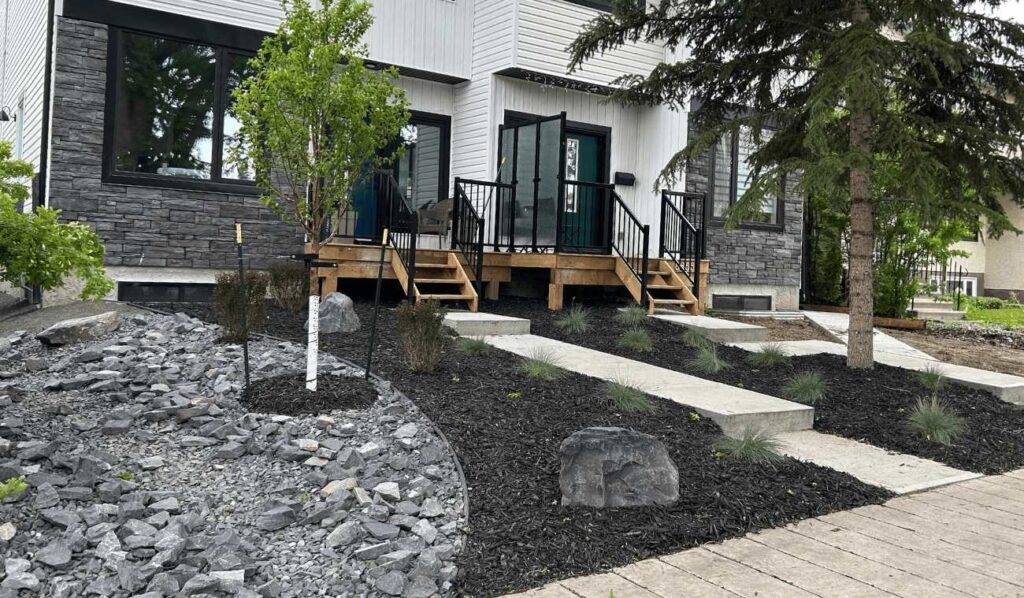
Instead of repeating temporary fixes each year, many homeowners choose to correct the root cause. Rebuilding unstable areas, improving drainage, or simplifying the layout with a low maintenance yard design can prevent recurring problems and make the yard easier to care for.
Safeguard Your Yard
Alberta’s climate is tough on outdoor spaces, but a properly planned landscape can handle it. If you notice the same problems returning each spring, the issue is usually structural rather than seasonal. Our team can assess drainage, grading, and hardscape stability and recommend practical, long-lasting solutions. If your yard is showing signs of winter damage, schedule a yard restoration consultation to identify the root cause and plan the next steps toward a more durable, low-maintenance outdoor space.