Edmonton winters can be beautiful, but they can also be incredibly hard on your yard. Between freezing temperatures, heavy snowfall, icy conditions, and sudden temperature changes, your lawn and landscaping face months of exposure to conditions that can cause lasting damage.
If you’ve invested time and money into creating a beautiful outdoor space, the last thing you want is to discover dead patches of grass, damaged shrubs, or deteriorating landscaping when the snow finally melts.
Fortunately, there are several things Edmonton homeowners can do to protect their yards throughout the winter.
Whether you’re maintaining an established landscape or protecting a recently completed backyard renovation, these winter landscaping tips can help keep your outdoor space in better condition until spring.
1. Protect Your Lawn From Heavy Foot Traffic
One of the simplest ways to protect your lawn during an Edmonton winter is to avoid repeatedly walking across the same areas.
Although grass becomes dormant during the colder months, it isn’t immune to damage. Repeated foot traffic, particularly when the ground is frozen or covered in compacted snow, can stress turf and contribute to soil compaction.
This is especially common in backyards where children play, pets run, or homeowners regularly take shortcuts across the lawn.
How to protect your lawn:
- Use designated walkways rather than crossing grassy areas.
- Avoid creating heavily travelled paths through snow-covered lawns.
- Keep vehicles and heavy equipment off frozen turf.
- Direct regular foot traffic toward existing patios and pathways.
If your backyard doesn’t have convenient walkways, this may also be an opportunity to consider improving its layout.
Professionally designed landscaping in Edmonton can incorporate practical pathways and outdoor living areas that help protect your lawn while making your yard easier to navigate year-round.
2. Be Careful Where You Pile Snow
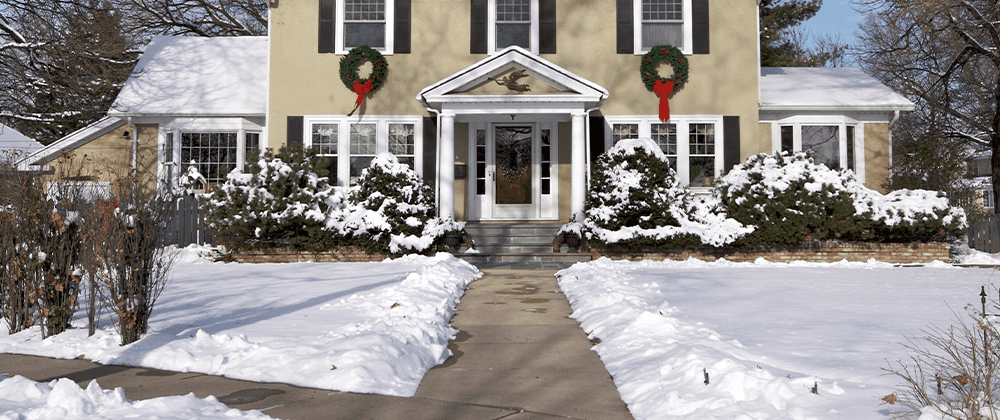
Snow removal is an unavoidable part of winter in Edmonton. However, where you place that snow can make a significant difference to your landscaping.
While a natural layer of snow helps insulate plants and soil, large piles of compacted snow can damage shrubs, compress delicate vegetation, and delay spring thawing.
Snow collected from driveways and sidewalks may also contain road salt, sand, and other materials that can negatively affect nearby plants.
When clearing snow from your property:
- Avoid piling heavy snow directly onto shrubs or small trees.
- Keep snow containing de-icing chemicals away from garden beds.
- Distribute clean snow across suitable areas rather than concentrating it in one location.
- Avoid throwing snow against fences, decorative landscaping features, or delicate plants.
- Pay attention to where melting snow will drain during warmer weather.
A little planning during snow removal can prevent significant landscaping damage later.
3. Protect Trees and Shrubs From Snow, Ice, and Wind
Trees and shrubs are often among the most valuable features of a landscaped yard. Unfortunately, Edmonton’s cold temperatures, strong winds, and heavy snow can put considerable stress on them.
Branches may bend or break under accumulated snow, while evergreen shrubs can suffer moisture loss from exposure to dry winter winds.
Young trees are particularly vulnerable because their root systems and protective bark may not yet be fully established.
Protecting shrubs
Some shrubs benefit from protective burlap screens that reduce exposure to harsh winds.
For upright evergreens that are vulnerable to snow damage, loose, appropriate supports may help prevent branches from spreading under heavy snow.
Avoid tightly wrapping plants in materials that trap moisture or restrict airflow.
Protecting young trees
Young trees may benefit from trunk guards that help prevent damage from animals and winter sun exposure.
It’s also important to keep heavy snow piles away from their trunks and avoid damaging exposed branches during snow removal.
If snow accumulates on branches, gently brush away loose snow when it is safe to do so. Avoid striking frozen branches or trying to break off firmly attached ice, as this can cause additional damage.
Healthy, well-maintained trees and shrubs are an important part of any landscape, and protecting them during winter can save homeowners the expense of replacing established plants.
4. Use De-Icing Salt Carefully Around Your Landscaping
Salt is useful for managing icy walkways and driveways, but excessive use can create problems for your lawn, soil, trees, and garden beds.
When snow and ice melt, dissolved salt can travel into nearby soil. High salt concentrations can interfere with plants’ ability to absorb water and may contribute to browning, poor growth, and damaged vegetation.
This is particularly important for Edmonton homeowners with landscaping located directly beside driveways, sidewalks, and roads.
Ways to reduce salt-related damage include:
- Shovelling snow before it becomes heavily compacted.
- Using de-icing products sparingly and according to their instructions.
- Using sand for traction where appropriate.
- Avoiding the placement of salt-contaminated snow in garden beds.
- Directing salty runoff away from vulnerable plants where possible.
Remember that products marketed as environmentally friendly or pet-friendly aren’t necessarily harmless to vegetation.
If you notice damaged grass along your driveway every spring, winter salt exposure may be contributing to the problem.
5. Protect Garden Beds With Mulch and Natural Snow Cover
A common misconception is that snow is always harmful to landscaping.
In reality, a consistent layer of snow can be beneficial.
Snow acts as natural insulation, helping protect plant roots from extreme temperature fluctuations. This is especially valuable in Edmonton, where periods of severe cold can be interrupted by temporary warming.
Mulch provides another layer of protection by helping moderate soil temperatures and reduce moisture loss.
For established garden beds, a layer of organic mulch around suitable perennials, shrubs, and trees can help protect root systems throughout the winter.
When applying mulch:
- Use an appropriate depth for the plants you’re protecting.
- Keep mulch away from direct contact with tree trunks and shrub stems.
- Avoid burying plant crowns under excessive material.
- Leave clean, naturally accumulated snow in place where it provides beneficial insulation.
The goal isn’t to keep your garden beds completely free of snow. It’s to protect plants from damaging conditions while allowing snow to provide natural insulation.
6. Prevent Winter Damage to Patios and Walkways
Your lawn and plants aren’t the only parts of your yard that need winter protection.
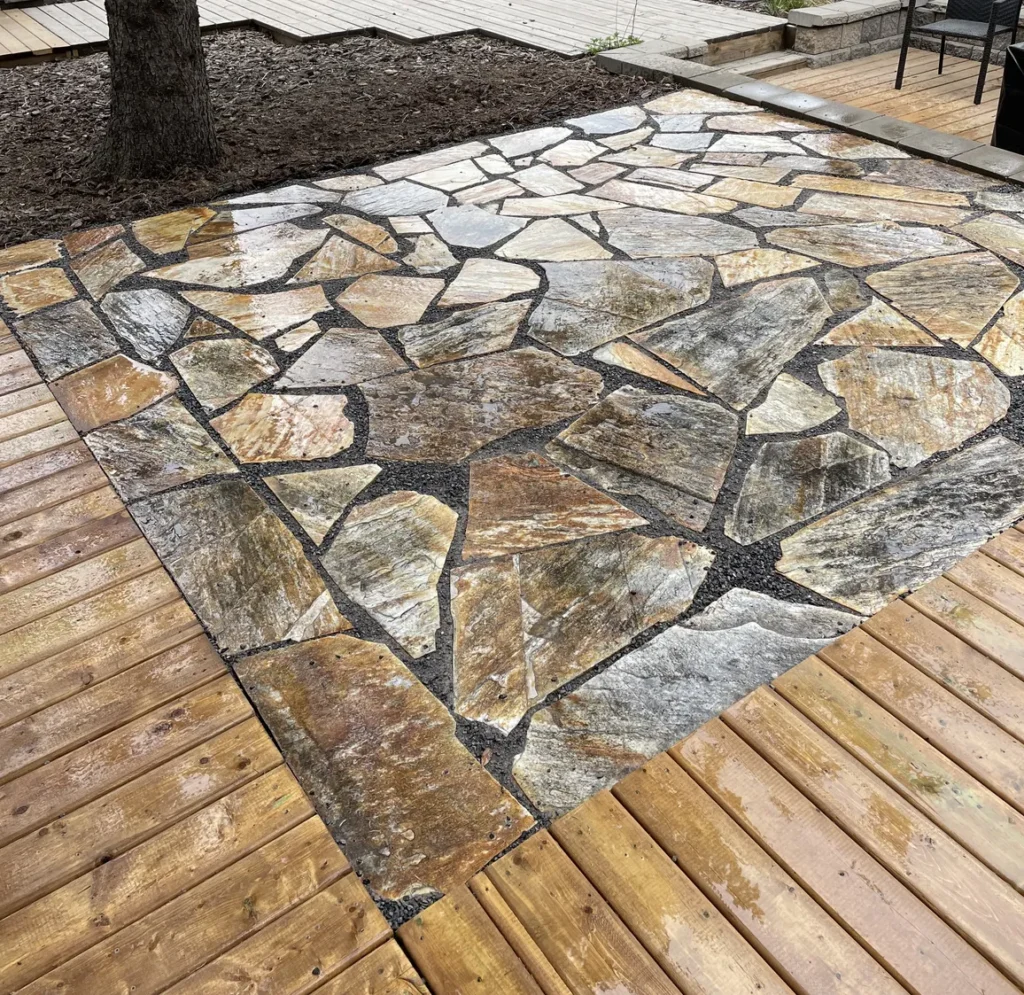
Patios, retaining walls, decorative stonework, and walkways are also exposed to freezing temperatures and repeated freeze-thaw cycles.
When water enters small gaps or cracks and freezes, it expands. Over time, this can contribute to movement, cracking, or deterioration in susceptible materials.
Improper drainage can make these problems worse by allowing water to collect in areas where it repeatedly freezes.
Tips for protecting hardscaping during winter
Remove snow regularly. Keeping walkways clear reduces the opportunity for compacted snow and ice to accumulate.
Use appropriate tools. Plastic-edged shovels can help reduce the risk of scratching or chipping certain patio and paving materials.
Be selective with de-icers. Some chemical de-icers can damage concrete, natural stone, or paving materials. Always check product compatibility.
Watch for drainage issues. Water pooling on patios or near retaining walls during a thaw may indicate a grading or drainage problem.
Avoid excessive weight. Don’t use landscaped patios or decorative features as dumping areas for unusually large piles of snow.
If you notice recurring drainage problems, shifting pavers, or other signs of deterioration, it may be worth having your landscaping assessed before those problems become more expensive.
7. Keep an Eye on Drainage During Winter Thaws
Edmonton homeowners know that winter temperatures don’t always remain consistently below freezing.
Warmer periods can cause snow to melt before temperatures drop again, creating icy surfaces and areas of standing water.
Poor drainage can also direct meltwater toward your home’s foundation, patios, walkways, or garden beds.
While major drainage improvements are generally easier to complete during warmer weather, there are still preventative measures you can take throughout the winter.
- Keep accessible drainage routes clear of snow and debris.
- Avoid piling snow directly against your home’s foundation.
- Monitor areas where meltwater regularly collects.
- Ensure downspouts and drainage outlets aren’t blocked by ice where safely accessible.
- Take note of recurring puddles or ice buildup for future landscaping improvements.
If the same sections of your yard experience drainage problems every winter, the underlying issue may be related to the property’s grading or landscape design.
A professionally planned yard should account for how water moves across the property, not just how the landscaping looks during summer.
8. Protect Outdoor Furniture and Landscaping Features
Outdoor living spaces have become increasingly popular among Edmonton homeowners, with patios, fire pit areas, garden features, and decorative elements making backyards more functional.
However, not every outdoor feature is designed to withstand months of snow and freezing temperatures without protection.
Before severe winter conditions arrive, it’s worth checking whether your outdoor furniture and landscaping accessories require additional care.
Consider the following:
- Store lightweight or weather-sensitive furniture indoors.
- Use breathable, properly secured covers on suitable outdoor furniture.
- Drain and winterize water features according to manufacturer instructions.
- Empty and store containers that may crack when trapped water freezes.
- Secure decorative items that could be damaged by strong winds.
- Follow manufacturer instructions for winterizing outdoor lighting and other installed features.
Taking care of these details helps protect your investment and makes it easier to enjoy your outdoor space again when warmer weather returns.
9. Plan Ahead for Spring Landscaping Repairs
Even with careful winter maintenance, Edmonton’s climate can take a toll on outdoor spaces.
As the snow begins melting, you may notice areas that need attention, including damaged grass, exposed soil, broken branches, or sections of your yard where water collects.
Rather than waiting until summer, use the end of winter to start planning potential improvements.
Some common spring landscaping projects include:
- Repairing damaged or thinning lawns.
- Improving drainage and grading.
- Replacing winter-damaged shrubs or plants.
- Refreshing garden beds and mulch.
- Repairing patios, pathways, and retaining walls.
- Redesigning areas that experience repeated winter damage.
If you’re considering a larger backyard transformation, winter can also be a useful time to explore design options and plan your project before the busy spring landscaping season begins.
Working with an experienced Edmonton landscaping company can help you identify improvements that make your property more attractive, functional, and resilient throughout the year.
What Should You Avoid Doing to Your Yard During an Edmonton Winter?
Sometimes protecting your landscaping is as much about knowing what not to do.
A few common winter maintenance habits can unintentionally cause more harm than good.
Avoid removing all the snow from your garden beds. Natural snow cover provides valuable insulation for dormant plants.
Don’t use excessive amounts of salt. More salt doesn’t necessarily mean better ice removal, and it can damage nearby landscaping.
Don’t force ice off frozen branches. Frozen branches are brittle and can break easily.
Avoid piling snow against trees and shrubs. Heavy, compacted snow can damage branches and stems.
Don’t ignore recurring drainage problems. Water collecting in the same areas every winter may indicate an issue that requires a more permanent solution.
By avoiding these mistakes, you can significantly reduce the likelihood of discovering preventable damage in spring.
Protect Your Landscaping Investment Year-Round With Lush Landscaping
A beautiful yard should be designed for more than just Edmonton’s short summer season.
From selecting appropriate plants to planning effective drainage, durable patios, and practical outdoor living spaces, thoughtful landscaping decisions can make your property easier to maintain throughout the year.
At Lush Landscaping, we understand the unique challenges Edmonton homeowners face when creating and maintaining outdoor spaces in Alberta’s demanding climate.
Whether you’re considering a backyard renovation, looking to improve your property’s drainage, or planning a complete landscape transformation, our team can help you create an outdoor space that’s both beautiful and practical.
Ready to make your yard more resilient for Edmonton’s changing seasons?
Contact Lush Landscaping to discuss your landscaping goals and start planning improvements that will serve your property for years to come.