Landscaping can completely transform a property, but mistakes made early in the process often become expensive and frustrating to fix later. Many Edmonton homeowners focus heavily on appearance when planning their yard, only to realize down the road that durability, drainage, layout, and long-term maintenance matter just as much.
The good news is that most landscaping problems are preventable with proper planning and realistic expectations. Whether you’re building a new yard or upgrading an older one, understanding the most common mistakes can help you avoid wasted money and future headaches.
Prioritizing Appearance Over Function
One of the biggest mistakes homeowners make is designing a yard based entirely on appearance without thinking about how the space will actually be used.
A backyard may look impressive in photos, but if there’s no comfortable seating area, poor traffic flow, or difficult maintenance requirements, it quickly becomes frustrating to live with. This is especially common in yards where features are added individually over time without an overall plan tying everything together.
A well-designed landscape balances both appearance and practicality. Before choosing materials or features, it helps to think about:
- How people will move through the yard
- Where entertaining or relaxing will happen
- How much maintenance the homeowner realistically wants to manage
This is why many successful projects begin with landscape design, where the layout and long-term usability are considered from the start.
Underestimating Edmonton’s Climate
Landscaping in Alberta comes with challenges that homeowners in warmer climates don’t always deal with. Edmonton’s freeze–thaw cycles, heavy spring moisture, dry summer periods, and clay-heavy soil all affect how a yard performs over time.
Ignoring these conditions often leads to:
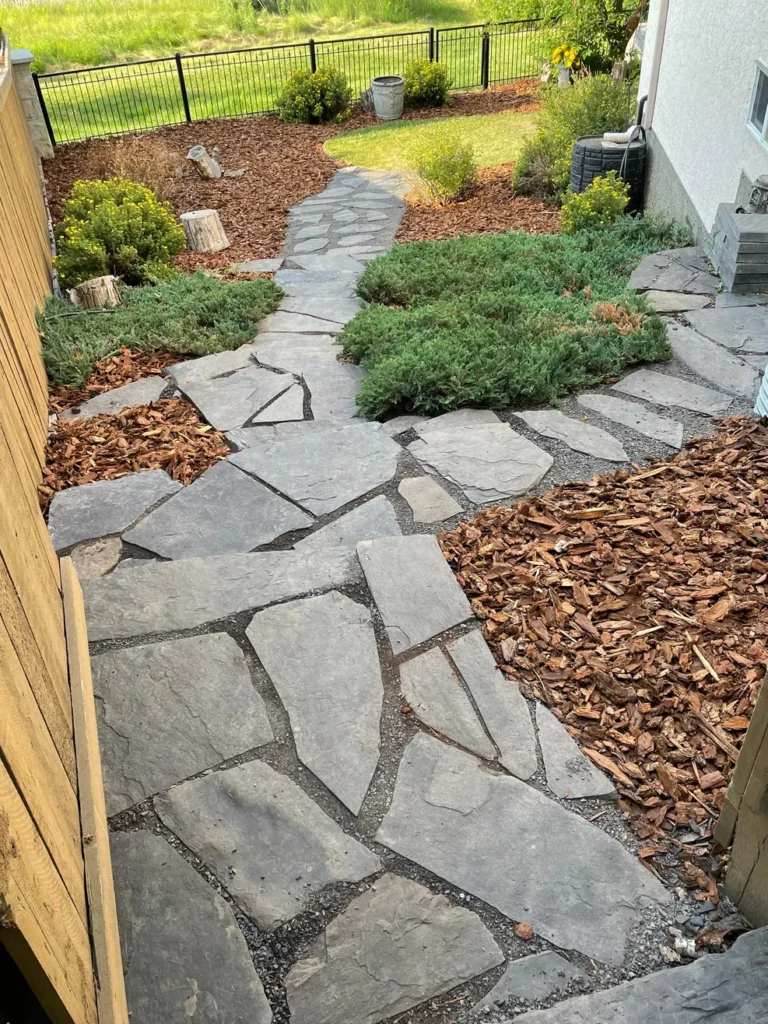
- Shifting patios and walkways
- Drainage problems
- Premature cracking
- Struggling plants and softscaping
This is especially common when homeowners choose materials based only on appearance or attempt shortcuts during installation.
Proper excavation, grading, and base preparation are critical for long-term durability in Edmonton. Investing in the groundwork upfront usually prevents costly repairs later.
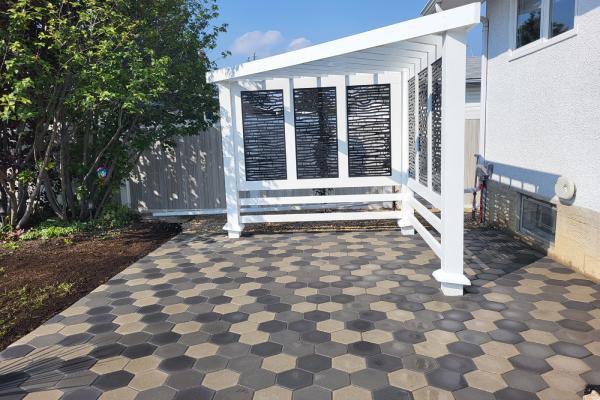
Building a Patio That’s Too Small
Many homeowners regret not allocating enough usable patio space once they start spending more time outside.
A patio should comfortably accommodate:
- Seating
- Walking space
- Dining areas
- Additional features like fire pits or outdoor kitchens
When patios are undersized, the backyard can still feel cramped even after the project is completed.
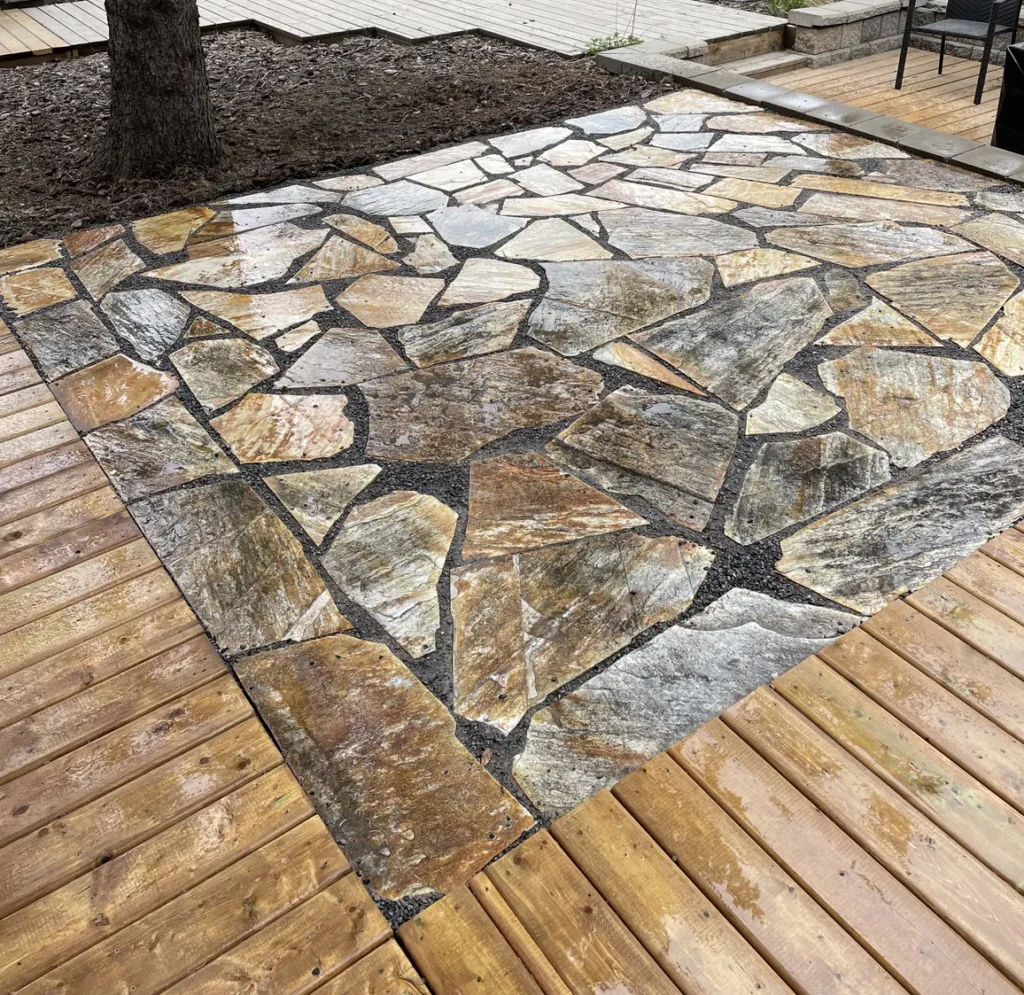
In many cases, homeowners focus heavily on minimizing upfront costs, only to wish they had built a larger patio from the beginning. Since expanding later often requires reworking surrounding landscaping, it’s usually more cost-effective to plan properly upfront during patio construction.
Trying to Fix Problems One Piece at a Time
Another common mistake is treating landscaping issues individually instead of looking at the yard as a whole.
For example:
- Drainage problems may actually be caused by grading issues
- Erosion may be tied to poor layout design
- High maintenance could be the result of plant selection and lawn size
Homeowners sometimes spend years patching individual problems instead of addressing the root cause through a larger plan.
A cohesive design often saves money long-term because it allows the entire yard to function together rather than as disconnected upgrades.
Choosing High-Maintenance Landscaping Without Realizing It
Many homeowners are drawn to landscaping ideas that look beautiful initially but require constant upkeep to maintain.
Common examples include:
- Oversized planting beds
- Excessive lawn areas
- Plants poorly suited to Edmonton’s climate
- Designs without proper edging or structure
Over time, these yards become difficult to maintain and lose their visual appeal if upkeep falls behind.
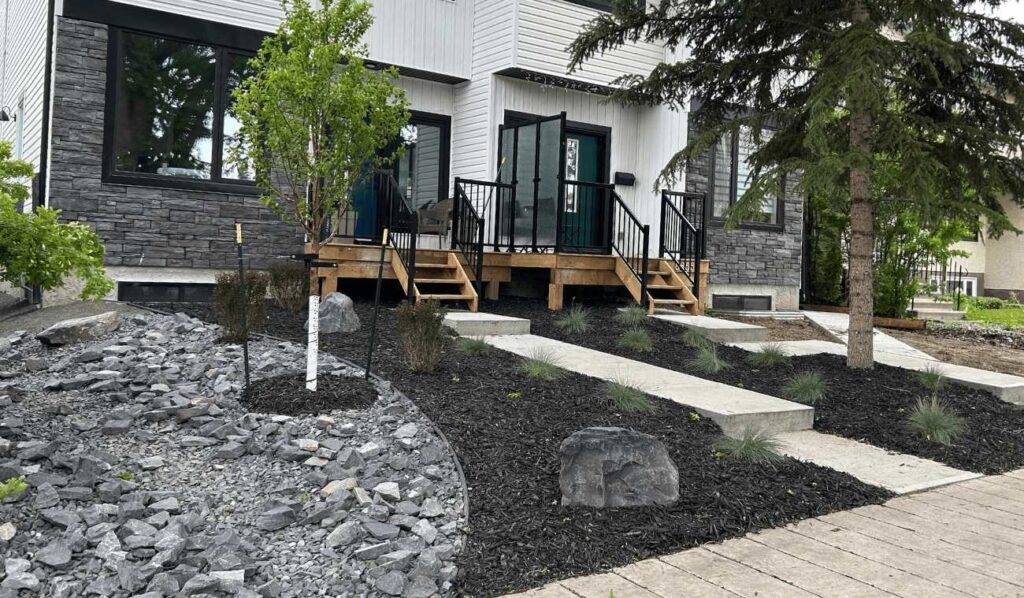
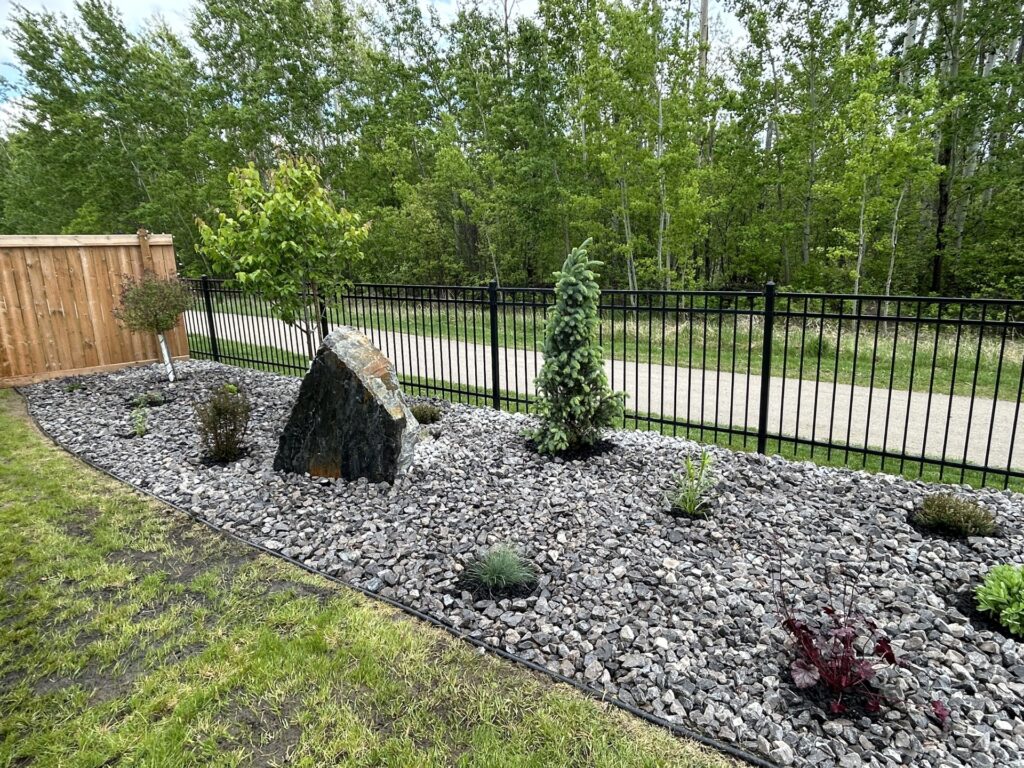
Low-maintenance landscaping has become increasingly popular because it focuses on durability, cleaner layouts, hardy plants, and practical long-term maintenance requirements. Combining hardscaping with thoughtful planting often creates a more manageable yard without sacrificing appearance.
Not Planning for Drainage Early Enough
Drainage is one of those things homeowners often don’t think about until problems appear.
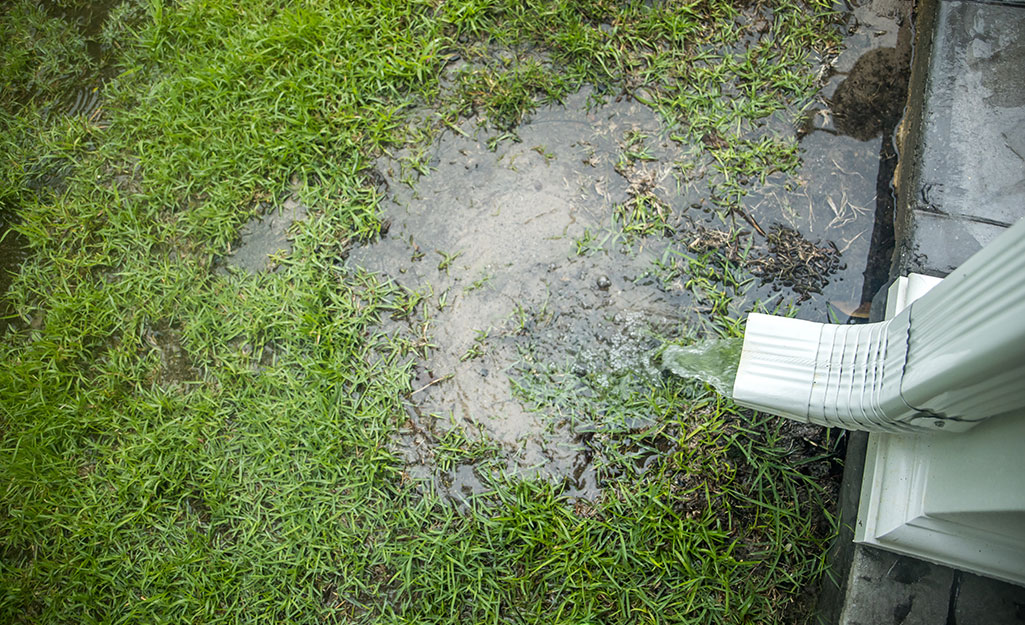
Unfortunately, once water issues become obvious, repairs can become significantly more expensive. Pooling water, erosion, muddy areas, and soft ground are often signs that grading and drainage were not addressed properly during the original build.
In Edmonton, spring snow melt and periods of heavy rainfall can expose these weaknesses quickly.
Good landscaping should move water away from:
- The home’s foundation
- Patios and walkways
- Low areas of the yard
This is why drainage and grading should always be considered during the planning phase instead of treated as an afterthought.
Skipping Professional Planning
Some homeowners jump straight into construction without fully planning the project. Others try to piece together inspiration from multiple online sources without considering whether those ideas actually work for their yard.
This often results in:
- Poor spacing and layout
- Features that feel disconnected
- Costly mid-project changes
- Wasted space
Even relatively simple projects benefit from a clear plan before installation begins.
A professional design process helps homeowners understand:
- What will realistically fit the space
- How different features work together
- What materials are best suited for Edmonton conditions
- How to maximize both function and appearance
Focusing Only on Short-Term Cost
Budget matters, but focusing only on the cheapest option often leads to regret later.
Lower-cost installations sometimes cut corners on:
- Excavation depth
- Base preparation
- Material quality
- Long-term durability
This can lead to shifting surfaces, drainage failures, and repairs much sooner than expected.
Many homeowners eventually realize that paying slightly more upfront for proper construction saves money over the long term because the work lasts significantly longer.
The Best Landscapes Are Planned for Long-Term Use
The most successful landscaping projects are the ones that continue working well years after installation.
That means balancing:
- Appearance
- Durability
- Maintenance requirements
- Usability
A yard should not only look great immediately after construction. It should continue functioning properly through Edmonton’s seasonal changes and still fit the homeowner’s lifestyle over time.
Avoiding these common mistakes starts with thoughtful planning and realistic expectations from the beginning.
If you’re considering upgrading your outdoor space, working with a landscaping company in Edmonton that understands local conditions and long-term performance can make a major difference in the final result.