Not every landscaping issue can be solved with a small upgrade or seasonal cleanup. In many cases, homeowners continue patching the same problems year after year without realizing the yard itself may need a more complete reset.
Over time, landscapes naturally wear down. Patios shift, drainage problems develop, plants become overgrown, and layouts that once worked no longer fit how the space is used. In Edmonton especially, years of freeze–thaw cycles, moisture, and settling can gradually take a toll on outdoor spaces.
A full yard restoration allows homeowners to address these underlying issues properly instead of continuing to work around them. Here are some of the most common signs it may be time to rebuild and restore your yard.
Your Yard Has Drainage Problems Every Year
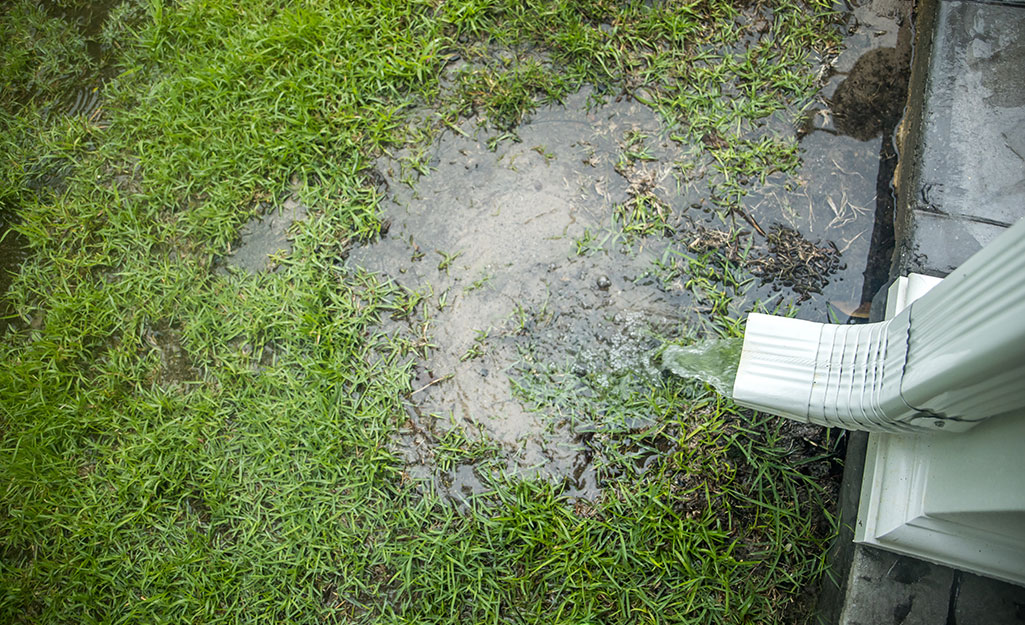
One of the clearest signs a yard needs restoration is recurring drainage issues.
If you regularly notice:
- Standing water after rain
- Muddy areas that never dry properly
- Water pooling near patios or walkways
- Soft or uneven ground during spring melt
…the underlying grading of the yard may no longer be functioning properly.
Many homeowners attempt temporary fixes like adding soil or reseeding grass, but if the slope and drainage structure of the yard are incorrect, the problem usually returns.
A proper yard restoration addresses the grading, drainage flow, and overall layout of the property instead of only treating surface-level symptoms.
Your Patio or Walkways Are Shifting and Uneven
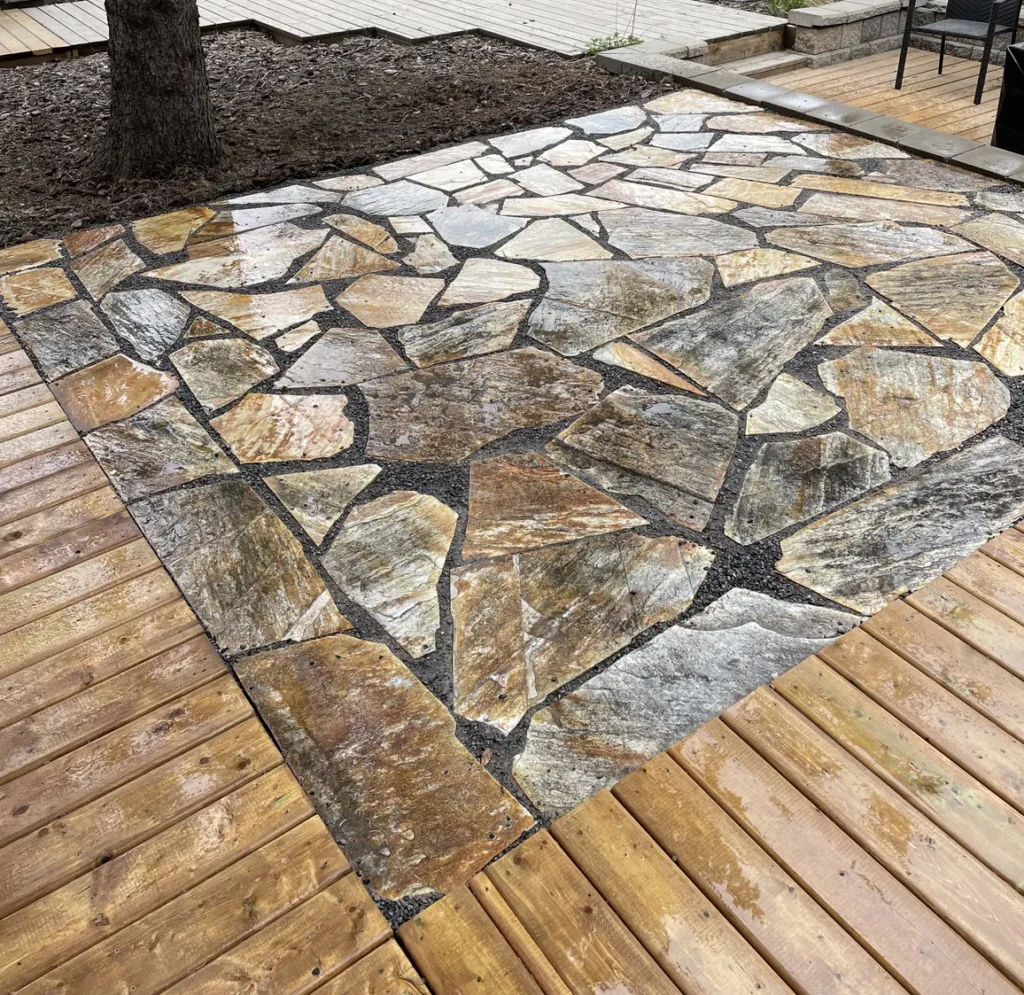
In Edmonton’s climate, improperly built hardscaping rarely stays level forever.
Over time, homeowners may start noticing:
- Uneven pavers
- Sunken sections
- Trip hazards
- Gaps forming between stones
- Cracking or movement during seasonal changes
While isolated repairs are sometimes possible, widespread shifting often indicates larger issues underneath the surface. Poor base preparation, settling soil, and long-term moisture exposure can all contribute to instability.
If multiple areas of the yard are failing at the same time, it’s often more practical to approach the project as a full restoration rather than repeatedly repairing individual sections.
The Layout of the Yard No Longer Works
Sometimes the problem isn’t damage. The yard simply doesn’t function well anymore.
This is especially common in older landscapes where:
- Large areas go unused
- There’s no defined entertaining space
- Traffic flow feels awkward
- Features were added at different times without a cohesive plan
Many homeowners eventually realize they spend very little time actually enjoying the yard because the space was never designed around how they live.
A full yard restoration allows the space to be redesigned with functionality in mind, creating a layout that better supports entertaining, relaxing, storage, accessibility, and long-term usability.
Your Landscaping Requires Constant Maintenance
Another common sign is when maintaining the yard starts feeling like a never-ending project.
This often includes:
- Overgrown planting beds
- Excessive weeds
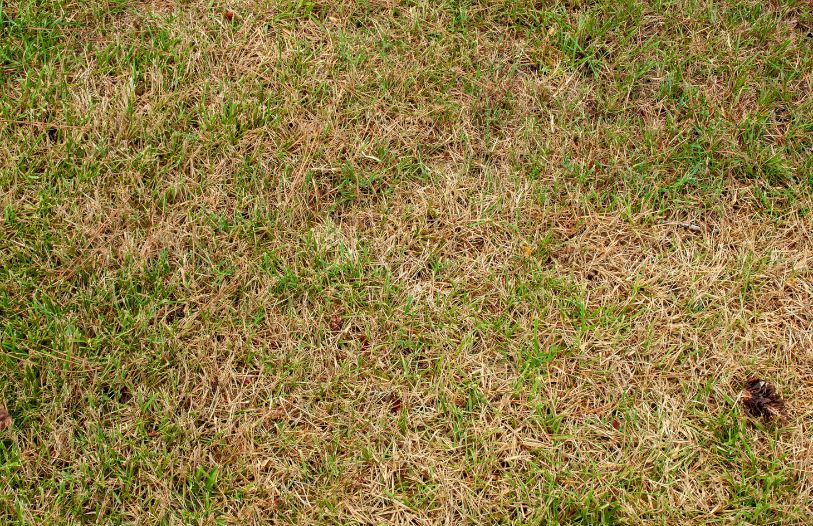
- Struggling grass
- Plants that no longer fit the space
- Constant trimming and upkeep
In many cases, the original landscaping may have looked appealing initially but was never designed for long-term practicality.
Modern restoration projects often focus on creating cleaner, more manageable spaces using durable hardscaping, simpler planting layouts, and lower-maintenance materials that still look polished and attractive.
Your Yard Looks Visibly Dated
Outdoor design trends change over time, just like interior spaces do.
Older yards sometimes contain:
- Outdated materials
- Worn retaining walls
- Aging patios
- Layouts that make the property feel smaller or less functional
Even if everything is technically still usable, the overall appearance of the yard may no longer match the home itself.
For many homeowners, restoring the yard becomes an opportunity to modernize the entire outdoor space and improve curb appeal at the same time.
You’re Constantly Repairing Instead of Improving
One of the biggest indicators that a full restoration may be necessary is when homeowners find themselves repeatedly spending money on temporary fixes.
For example:
- Re-leveling sections every year
- Replacing dead grass repeatedly
- Patching drainage problems
- Repairing old hardscaping
At a certain point, the cost and frustration of ongoing repairs starts outweighing the value of rebuilding the space properly.
A restoration project addresses the root causes instead of continuously managing the symptoms.
Your Yard Was Never Properly Finished
This is especially common with newer homes in developing areas around Edmonton.
Many homeowners move into properties where:
- The yard is unfinished
- Grading is minimal
- There’s little structure or usability
- The outdoor space feels incomplete
In these situations, a full restoration isn’t really restoring an old yard as much as properly completing the space for the first time.
Creating a cohesive plan early often prevents piecemeal upgrades later.
You Want to Fully Change How the Space Feels
Sometimes homeowners simply outgrow the original yard.
What worked years ago may no longer fit:
- Family needs
- Entertaining goals
- Maintenance preferences
- Lifestyle changes
Many restoration projects begin because homeowners want to completely rethink how the backyard functions and feels.
Whether that means adding larger entertaining areas, simplifying maintenance, or creating a more modern outdoor environment, restoration creates the opportunity to redesign the space from the ground up.
A Proper Restoration Solves Problems at the Source
The biggest benefit of a full yard restoration is that it allows underlying issues to be corrected properly instead of hidden temporarily.
Rather than continuing to patch:
- drainage problems
- settling hardscaping
- outdated layouts
- failing landscaping
…the entire space can be rebuilt with long-term performance and usability in mind.
If your yard is showing multiple signs from this list, it may be time to consider a full yard restoration instead of continuing with temporary repairs.
And if you’d like help evaluating your outdoor space, you can always reach out to our team to discuss your project and goals.