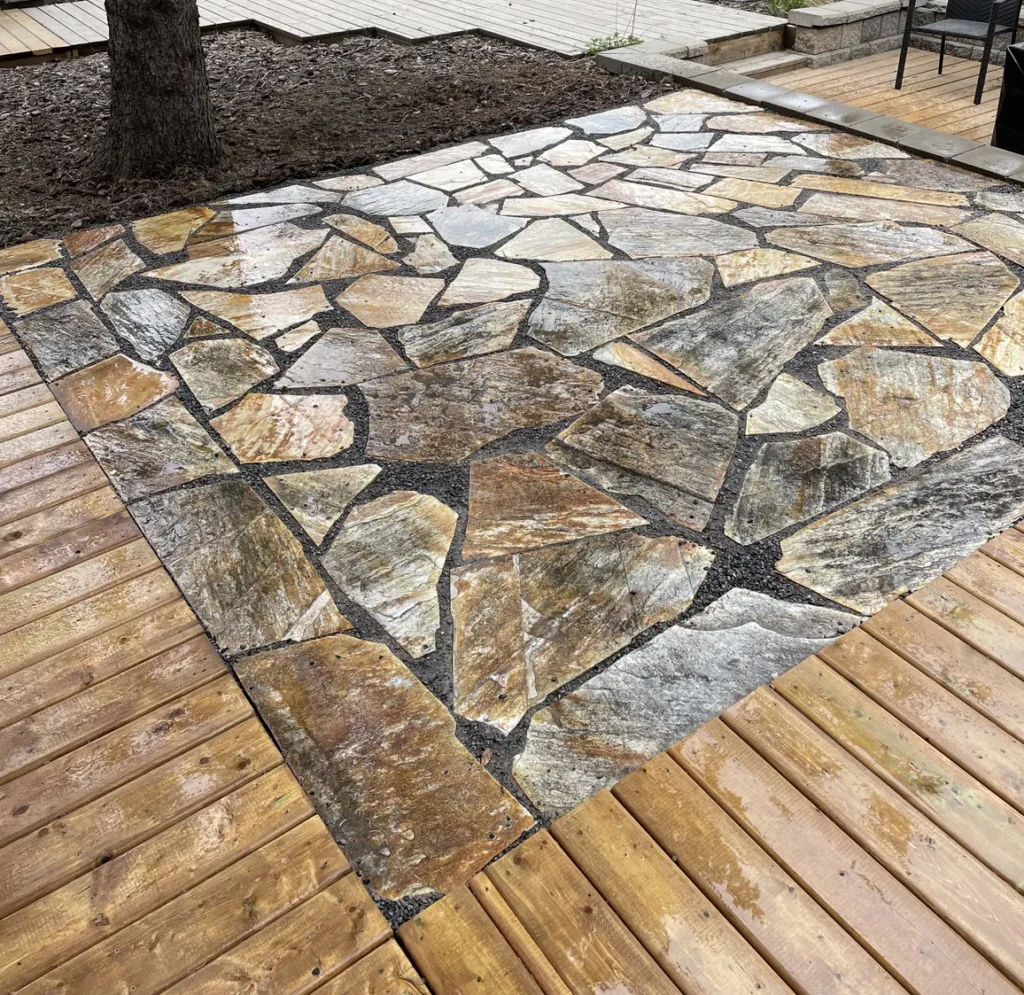
If you’re planning landscaping in Edmonton, there’s more to consider than just how you want your yard to look. Edmonton’s climate, soil conditions, and seasonal changes all play a major role in how a landscape performs over time.
The difference between a yard that looks good for one season and one that lasts for years often comes down to proper planning, material selection, and understanding how Edmonton properties behave.
Whether you’re upgrading your outdoor space or starting from scratch, here’s what you should know before beginning your project.
What should you consider before starting landscaping in Edmonton?
Before starting a landscaping project in Edmonton, homeowners should consider climate conditions, soil type, drainage, project scope, and budget. Proper planning ensures your yard is both visually appealing and built to handle Edmonton’s seasonal changes.
Edmonton’s Climate Has a Direct Impact on Your Landscape
Edmonton’s weather isn’t just a background factor. It directly affects how your yard is built and how well it holds up.
You’re dealing with:
Freeze–thaw cycles that shift patios and walkways
Snow melt that introduces large amounts of water in spring
Periods of heavy rain that can overwhelm poorly graded yards
Dry summer stretches that impact plant health
This is why many homeowners planning landscaping in Edmonton run into issues when designs aren’t built for local conditions.
A properly built yard accounts for all of this from the start, not after problems show up.
Soil Conditions Matter More Than Most People Expect
A lot of Edmonton properties have clay-heavy soil, which drains slowly and holds water.
This can lead to:
Pooling water after rain or snow melt
Soft or unstable ground under patios and walkways
Long-term shifting if the base isn’t prepared properly
Before any construction begins, it’s important to address grading and base preparation. This is especially true for projects like patios or retaining walls, where long-term stability matters.
If you’re planning a larger project, it’s worth working with a team experienced in Edmonton properties to make sure the groundwork is done right.
Not All Landscaping Projects Are the Same
When homeowners start looking into landscaping, they often think in terms of individual features. In reality, most successful projects are a combination of elements working together.
Common project types include:
Full yard transformations
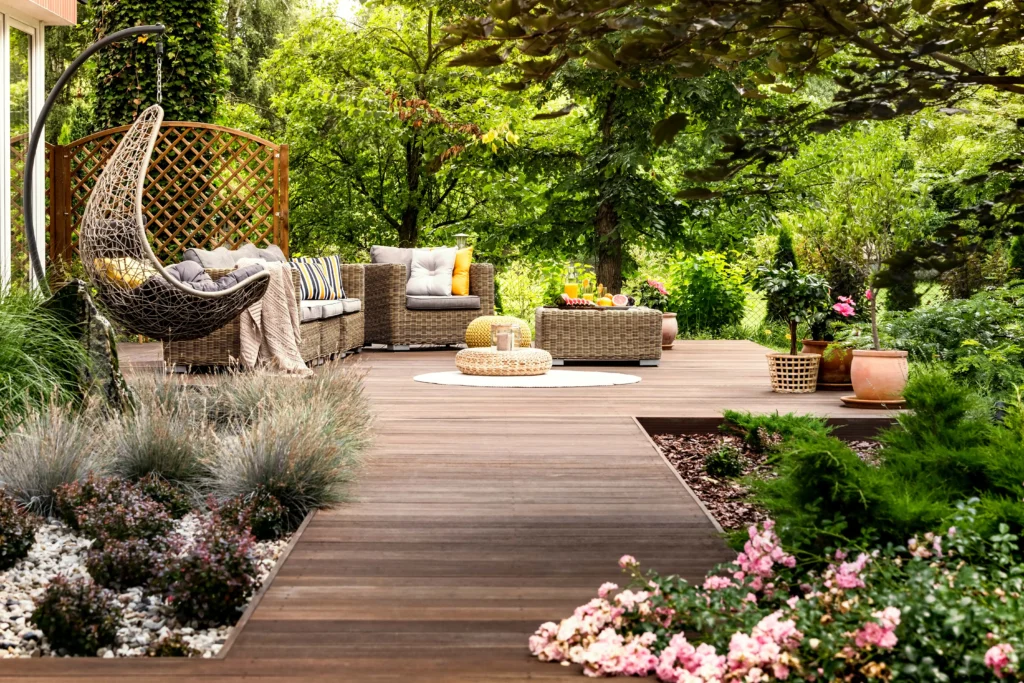
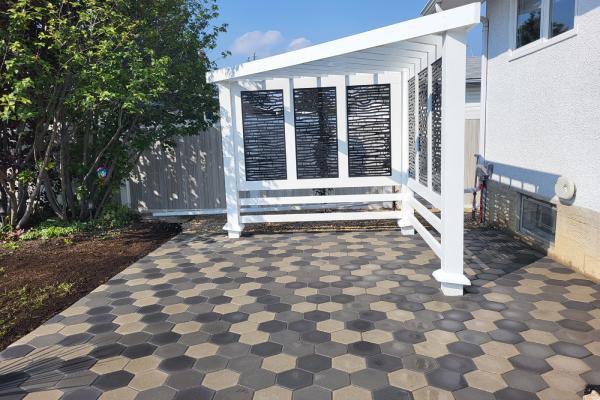
Patio and outdoor living spaces
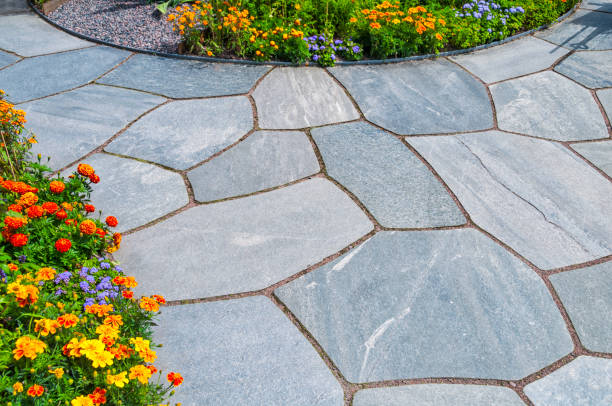
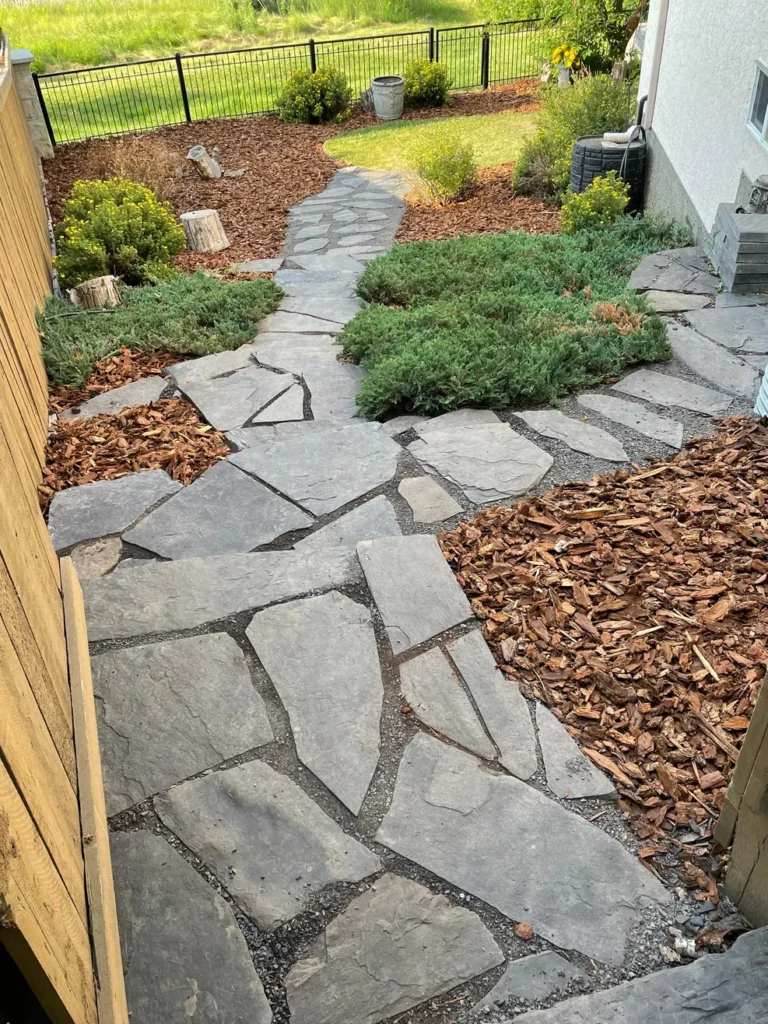
Walkways and access paths
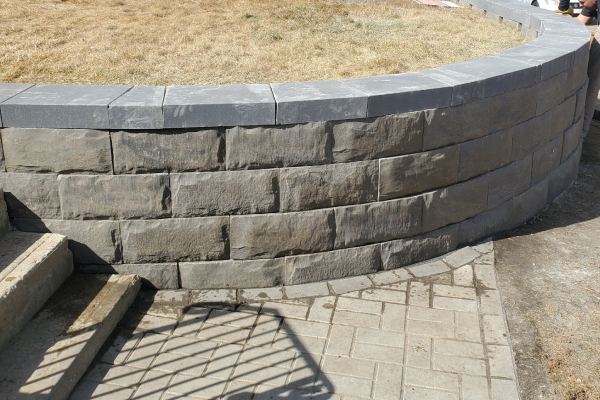
Retaining walls for structure and grading
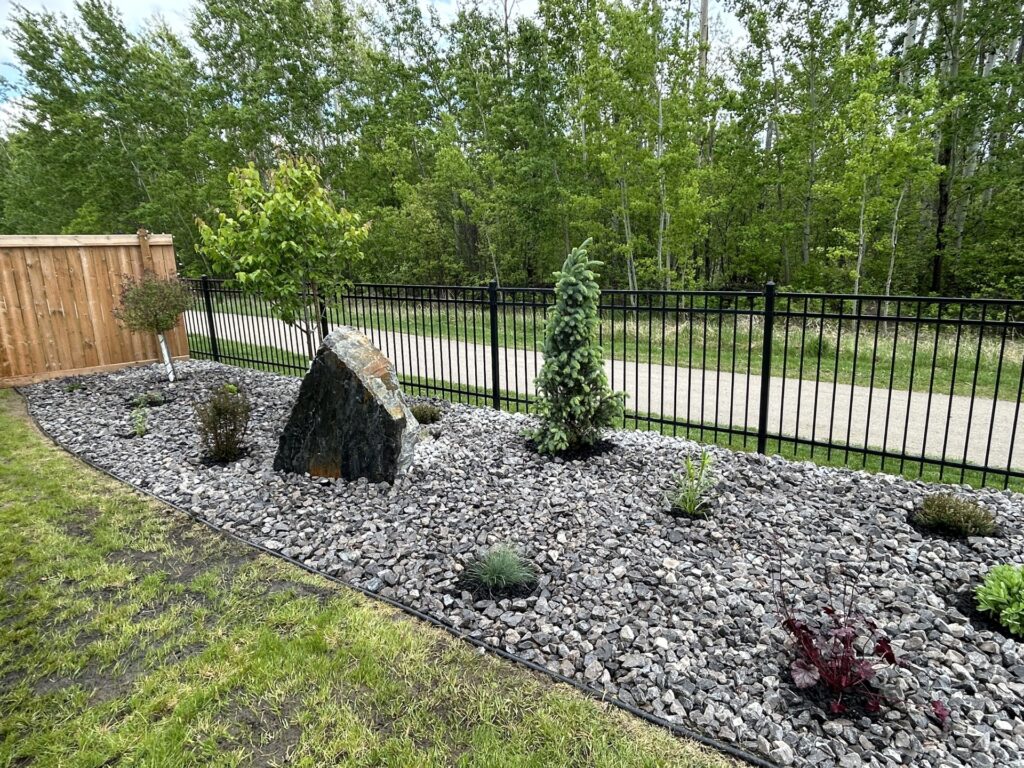
Planting and softscape upgrades
If you’re considering a complete upgrade, it often makes sense to start with a plan that ties everything together.
A yard should look great, but it also needs to work for how you actually use it.
Some common functional goals include:
Creating usable space for entertaining or relaxing
Improving flow between areas of the yard
Reducing maintenance requirements
Fixing uneven or underutilized spaces
This is where thoughtful planning makes a big difference. A well-designed yard balances layout, materials, and plant selection so everything works together.
Many homeowners find that combining aesthetic upgrades with practical improvements leads to better long-term results than focusing on appearance alone.
Budgeting for Landscaping in Edmonton
Costs can vary quite a bit depending on the scope of your project, but a few factors consistently influence pricing:
Size of the yard
Type of materials used
Complexity of the design
Amount of site preparation required
For example:
A simple refresh with planting and minor upgrades will cost significantly less than a full yard rebuild
Hardscaping features like patios and retaining walls require more labor and base preparation
If you’re exploring options, it helps to start with a realistic understanding of what different types of projects involve.
We’ll break this down in more detail in our upcoming guide on landscaping costs in Edmonton.
Timing Your Project the Right Way
In Edmonton, timing can impact both the process and the final result.
Most landscaping projects take place between late spring and early fall, when conditions allow for excavation, installation, and planting.
Planning ahead is key:
Spring and early summer tend to book quickly
Larger projects benefit from early design and scheduling
Fall can be a great time for certain types of installations
If you’re considering landscaping in Edmonton, starting the conversation early gives you more flexibility and better outcomes.
Working With the Right Landscaping Company
Not all landscaping companies approach projects the same way.
When choosing who to work with, it’s worth looking for:
Experience with Edmonton-specific conditions
A clear process from design to installation
Real project examples and past work
Transparent communication and expectations
If you’re comparing options, this guide on choosing a landscaping company in Edmonton will walk you through what to look for.
Start With a Plan That Fits Your Yard and Your Goals
Every property is different. What works for one yard may not work for another.
That’s why the best place to start is with a clear plan based on:
Your space
Your goals
Your budget
Edmonton-specific conditions
If you’re thinking about upgrading your outdoor space, take a look at how landscaping in Edmonton can be approached with the right design and construction strategy.
Or, if you’re ready to take the next step, you can explore working with a landscaping company in Edmonton to plan and build a yard that’s designed to last.
Foundation problems rarely start inside the home. In many cases, the issue begins outside in the soil, slope, and drainage patterns surrounding the property.
In Edmonton, where heavy snow, spring melt, seasonal rainfall, and freeze–thaw cycles are all part of the climate, improper landscape grading is one of the leading contributors to foundation stress. When water is not directed safely away from the home, it accumulates near the foundation walls. Over time, this can lead to cracks, basement leaks, soil erosion, and costly structural repairs.
The good news is that foundation damage caused by drainage issues is often preventable. Proper grading and smart landscape planning can protect your home long before visible warning signs appear.
What Is Landscape Grading?
Landscape grading refers to shaping the ground so water flows away from the home instead of toward it. Ideally, the soil should slope gently downward from the foundation in all directions.
When grading is done correctly:
Water drains away naturally
Soil stays more stable
Basement moisture risk decreases
Hardscape features remain level
Long term maintenance is reduced
Grading is not simply about moving dirt. It involves understanding soil composition, elevation changes, drainage pathways, and how different landscaping elements interact. This is why professional landscaping design plays a critical role in preventing foundation issues from the start.
Why Improper Grading Leads to Foundation Damage
Edmonton’s climate amplifies grading problems. During winter, snow accumulates along foundation lines. When temperatures rise in spring, rapid melting releases large volumes of water at once. If the yard is flat or sloped toward the house this leaves absolutely nowhere for that large volume of water to go.
Over time, this leads to:
Hydrostatic pressure against foundation walls
Soil expansion during freeze and thaw cycles
Foundation cracks
Basement seepage
Shifting concrete slabs
Clay heavy soil, common in Alberta, worsens the situation. Clay retains water and expands when wet, increasing pressure against the foundation.
What often begins as minor pooling can evolve into structural stress that requires extensive repairs. Addressing grading early through low maintenance yards can help prevent this escalation.
Why Rainfall Can Be Just as Damaging as Snowmelt
Many homeowners assume foundation water problems only occur in spring. However, heavy rainstorms during summer and fall can create the same risk.
When large amounts of rain fall quickly, water saturates the soil surrounding the home. Clay-heavy soil common in Alberta holds moisture, which increases pressure against foundation walls.
Without proper grading:
Water collects along the foundation
Soil expands as it absorbs moisture
Hydrostatic pressure increases
Moisture can enter basement walls
In some cases, foundation issues appear during a rainy season rather than during spring melt. Proper grading protects the home year-round, not just during winter thaw.
Warning Signs Your Yard May Be Damaging Your Foundation
Many homeowners don’t connect landscaping with foundation health until visible damage appears. However, the signs usually show up in the yard first.
Watch for:
Water pooling near the base of the home
Soil erosion around foundation walls
Persistent muddy areas
Sunken patio sections
Uneven walkways
Small foundation cracks
Basement dampness after heavy melt or rain
When these symptoms appear, surface level fixes rarely solve the problem. In many cases, corrective yard restoration is required to regrade the soil and rebuild the underlying structure properly.
The Role of Hardscaping in Water Control
Hardscape features can either improve or worsen drainage, depending on how they’re installed.
Patios and Walkways
Improperly installed patios often trap water near the home. Without the correct slope and base preparation, runoff may flow back toward the foundation instead of away from it.
The same applies to walkway construction. Walkways should guide water safely across the yard, not channel it toward the foundation. Even a small slope miscalculation can direct runoff in the wrong direction year after year.
Retaining Walls
Retaining walls are often used to manage elevation changes, but without proper drainage systems, they can trap water behind the structure. That trapped water builds hydrostatic pressure and may redirect moisture toward the home’s base.
Correct retaining wall construction includes drainage stone, filter fabric, and weeping tile systems to relieve pressure and control water movement.
When grading and hardscaping work together, they protect the foundation instead of threatening it.
Why Regrading Is Often the Lasting Solution
If water consistently pools near the home, adding soil or adjusting downspouts may offer temporary relief. However, if the yard’s overall slope is incorrect, the problem will return.
Regrading involves:
Removing and redistributing soil
Creating a consistent downward slope
Eliminating low spots near the foundation
Improving overall drainage flow
This process may also include rebuilding sections of lawn or hardscape to ensure proper integration.
In some cases, homeowners choose to redesign the entire yard to correct structural issues while improving functionality. A strategic landscaping design approach ensures grading, drainage, and aesthetics work together seamlessly.
How Low Maintenance Yards Improve Drainage Stability
Poor drainage often leads to constant lawn repairs, reseeding, and mud control. When grading is corrected properly, homeowners have an opportunity to simplify maintenance long term.
Many choose to incorporate low maintenance yards into the redesign process. By reducing large turf areas and integrating well placed hardscape features, drainage pathways become easier to manage and less susceptible to erosion.
Gravel beds, properly sloped patios, and structured planting zones help stabilize soil and direct water effectively.
Less turf also means fewer areas where water can accumulate and cause compaction issues.
Soil Structure and Plant Health Around the Foundation
Healthy soil absorbs water more efficiently than compacted soil.
Over time, heavy snow, foot traffic, and natural settling can compact soil around the foundation. Compacted soil reduces drainage and increases surface runoff.
Strategic Plant Selection and Planting can improve soil stability. Deep rooted plants help break up compacted soil, enhance absorption, and reduce erosion. Choosing species suited to Alberta’s climate ensures long term success without excessive watering or maintenance.
Proper planting near the foundation must balance aesthetics with drainage performance. Plants should enhance absorption without trapping moisture against the home.
When designed thoughtfully, planting zones become part of the drainage solution.
Lighting, Drainage, and Safety
While drainage and foundation protection are primarily structural concerns, safety and usability also matter.
Poor drainage often creates slippery walkways, uneven surfaces, and hidden hazards. Integrating outdoor lights into walkways and patios improves visibility during wet conditions and winter months.
Well lit pathways help homeowners spot pooling water, ice buildup, or shifting pavers before small issues become larger structural concerns.
Lighting complements proper grading by enhancing both safety, sustainability, and yard usability.
The Cost of Ignoring Grading Problems
Foundation repairs are significantly more expensive than preventive landscaping improvements.
Ignoring drainage issues can result in:
Interior water damage
Mold remediation
Structural reinforcement
Concrete repair
Repeated lawn and hardscape fixes
What might begin as a minor grading adjustment can turn into a major renovation if left unaddressed.
Investing in proper grading and structural landscaping now reduces the likelihood of large scale foundation repairs later.
When It’s Time to Take Action
If your yard shows repeated signs of:
Pooling water near the home
Sinking patios
Shifting walkways
Basement moisture
Erosion along foundation lines
It’s time to assess the grading structure.
Getting your yard evaluation can determine whether minor adjustments or full scale yard restoration is required. In many cases, correcting grading early prevents escalating damage to home owners properties.
A comprehensive plan that integrates landscaping design, structural hardscaping, planting strategy, and drainage improvements offers the most durable protection.
Protect Your Foundation from the Ground Up
Your foundation depends on what surrounds it. Soil slope, drainage flow, and hardscape installation all influence lasting structural stability.
Proper grading:
Directs water safely away
Reduces hydrostatic pressure
Protects basement integrity
Stabilizes patios and walkways
Improves yard performance
In Edmonton’s climate drainage is not optional, it absolutely is essential to protecting your home.If you notice water collecting near your home or recurring yard instability, a professional landscaping assessment can identify grading flaws before they lead to structural damage. Addressing slope and drainage now protects both your landscape investment and your home’s foundation for years to come.
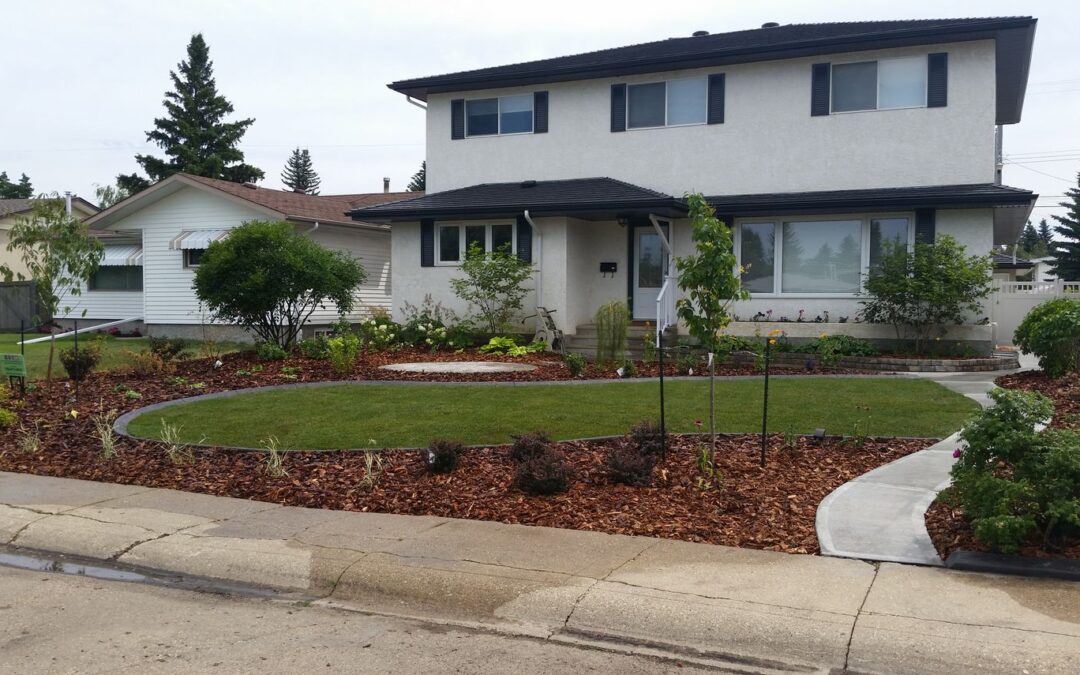
Your front yard is the first thing people notice about your home. Whether you’re welcoming guests, listing your property for sale, or simply pulling into the driveway after work, curb appeal matters.
Especially when landscaping in Alberta front yards must do more than look attractive. They need to handle freeze and thaw cycles, heavy snow, spring melt, and especially the expected dry stretches during summer. A well planned front yard doesn’t just improve appearance; it protects your property, reduces maintenance, and increases property value over time.
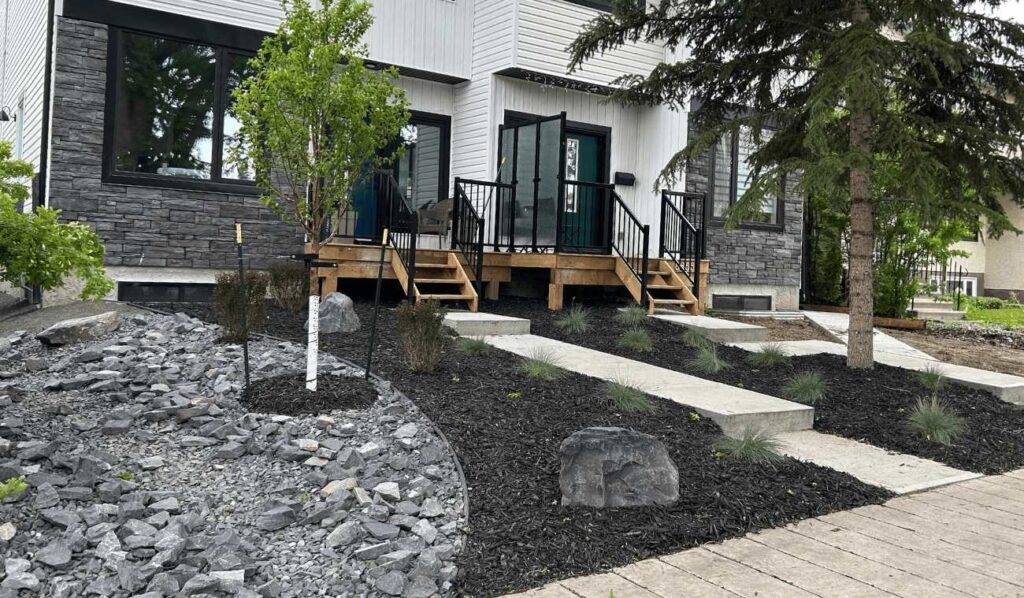
If you’re considering front yard landscaping ideas in and around Edmonton, the key is balancing durability, a climate focused smart design, and strong visual impact.
Start with a Clear Front Yard Landscaping Plan
One of the biggest mistakes homeowners make is adding features without a cohesive layout. A few shrubs here and a decorative rock there does not provide overall structure to your property.
A strong first impression starts with intentional planning. Pathways should feel welcoming, planting beds should frame the home, and elevation changes should look purposeful rather than accidental.
When the layout works structurally and visually, the entire property feels more polished and intentional.
Define the Entryway with Walkways and Hardscape
Your walkway is one of the most important design elements in your front yard. It guides visitors to the front door and creates immediate structure.
In Edmonton, where snow and ice are part of daily life for months, materials matter. Uneven or poorly installed pathways quickly shift during freeze–thaw cycles.
A defined walkway instantly elevates curb appeal. Pairing it with subtle border plantings or low profile lighting enhances the effect without overwhelming the space.
Upgrade the Driveway and Front Patio Area
Driveways and small front patios often dominate the visual space. Cracked concrete, uneven slabs, or outdated materials can make an otherwise well kept home feel neglected.
Modern front yard landscaping ideas in Alberta often include upgraded hardscape surfaces that complement the home’s architecture.
Interlocking pavers are especially popular in Edmonton because they handle freeze and thaw movement better than poured concrete when installed correctly.
Even a modest front patio refresh can dramatically improve first impressions.
Use Retaining Walls to Add Structure and Elevation
Many Edmonton properties include slight elevation changes from sidewalk to entrance. Instead of fighting the slope, work with it.
Low profile retaining walls can create:
Raised planting beds
Visual layering
Soil stability
Defined property lines
Improved drainage control
Retaining walls also add architectural depth. They break up flat lawns and create a more dynamic, custom look.
Professional retaining wall construction ensures walls are built with proper base preparation and drainage systems. This prevents shifting and leaning of different structures on your property over time. Which is a perfectly preventable issue for Edmonton homeowners.
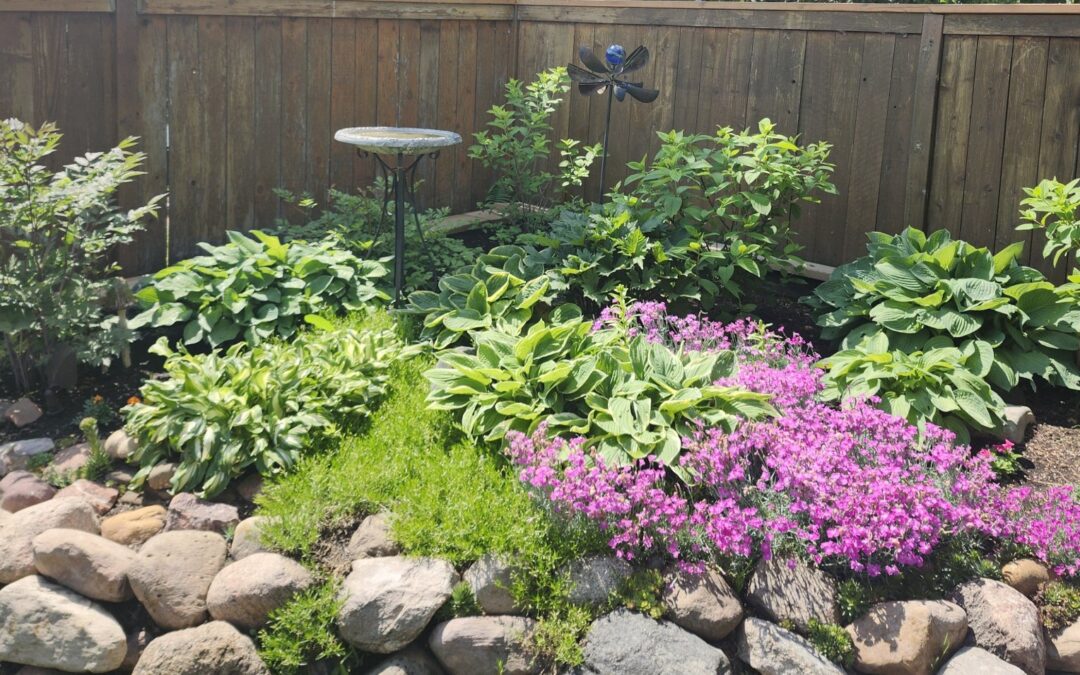
Flowers, plants, stones and bushes planted in a backyard garden
Choose Plants That Thrive in Alberta’s Climate
Plant selection makes or breaks front yard landscaping in Edmonton.
Homeowners often choose plants based solely on appearance, but survival in Zone 3 conditions is critical. Alberta winters are unforgiving, and not all ornamental plants can withstand them.
Incorporating evergreens maintains curb appeal during winter months when deciduous plants lose leaves.
Strategic placement is equally important. Avoid overcrowding the foundation, which can trap moisture and create long term drainage issues.
When plants complement grading and hardscaping, they enhance both beauty and functionality.
Reduce Lawn Space for a Cleaner Look
Traditional front yards often consist of large high maintenance lawns, but increasingly more Edmonton homeowners are shifting toward structured, low maintenance front yard landscaping.
Reducing turf areas and incorporating stone, mulch beds, or structured plant groupings can:
Minimize mowing
Improve water efficiency
Reduce mud during spring melt
Prevent patchy grass issues
Improve drainage consistency
Designing low maintenance yards doesn’t mean sacrificing beauty. In fact, many modern front yard designs look more refined with less turf and more defined landscaping elements.
Gravel accents, raised beds, and layered planting create visual interest while simplifying upkeep.
Lighting That Elevates Evening Curb Appeal
Alberta winters mean shorter daylight hours for much of the year. Proper lighting enhances both safety and appearance.
Lighting also enhances perceived home value. A softly lit front yard feels welcoming and secure.
Incorporating lighting during the landscaping process ensures wiring and placement integrate cleanly into the design.
Address Drainage Before It Becomes Visible
Curb appeal is not just about a wow factor, it is a delicate balance between structural integrity and appearance.
Front yard landscaping ideas in Edmonton must account for snow accumulation and spring melt. Water pooling near the entrance or foundation can damage both aesthetics and structure.
Signs drainage may need attention:
Soggy lawn near the house
Erosion along walkways
Ice buildup in winter
Cracking concrete near the foundation
In these cases, yard restoration may be necessary to regrade soil, improve slope, and rebuild unstable sections.
Correct drainage enhances plant health, preserves hardscape integrity, and protects the foundation long term.
Blend Modern Style with Alberta Durability
Modern front yard landscaping in Edmonton often includes:
Clean lines
Neutral stone tones
Structured planting beds
Minimal clutter
Symmetry or strong geometric balance
However, style should never come at the expense of durability. Soil must be properly compacted, slopes must direct water away from the home, and materials must be able to withstand Alberta’s intense freeze–thaw cycles. Without proper planning, even the most visually striking front yard can shift, settle, or flood during spring melt.
This is where professional landscaping design becomes essential. A thoughtfully developed design ensures your yard is not only visually modern but also structurally prepared for Edmonton’s climate conditions.
A front yard that looks impressive in summer but shifts each spring quickly loses both value and functionality. The strongest first impressions come from landscapes that remain stable, level, and attractive year after year.
Increase Property Value with Front Yard Improvements
Curb appeal has measurable financial impact.
In competitive real estate markets, buyers often form an opinion about a property within seconds of arriving. A well designed and properly maintained front yard signals that the entire home has been cared for.
Front yard improvements can:
Increase resale value
Improve appraisal outcomes
Attract stronger buyer interest
Reduce time on market
Enhance neighborhood presence
Even small upgrades such as professional walkway construction that creates a defined, welcoming path to the entrance can dramatically transform how a property is perceived. Clean, level walkways improve both safety and visual structure, instantly elevating the overall appearance of the home.
For homeowners not planning to sell, the daily benefit of pulling into a well designed front yard is equally valuable. A polished exterior enhances pride of ownership and life long satisfaction.
Build a Front Yard That Lasts
The best front yard landscaping ideas in Edmonton combine:
Smart grading
Durable hardscapes
Climate appropriate plants
Reduced maintenance needs
Balanced visual design
When these elements work together, your home stands out for the right reasons. However, durability doesn’t happen by accident; it requires proper installation and structural planning.
In many cases, aging or poorly installed yards require professional yard restoration to correct grading issues, rebuild unstable hardscape areas, and improve drainage before aesthetic upgrades can truly last.
Whether you’re updating outdated features or starting from scratch, investing in proper planning and durable installation ensures your front yard looks just as strong five years from now as it does today.
Give Your Lawn Some Love
If your current front yard feels uneven, uninspired, or difficult to maintain, a professional assessment from Lush Landscaping can identify structural improvements that protect your home while enhancing curb appeal.
A strong first impression begins the moment someone sees your property. Homeowners in Edmonton reflect lasting quality, thoughtful design, and long term performance through the first impression that a proper front yard brings. Reach out to Lush Landscaping and give your lawn some love.
Edmonton homeowners often focus on how their yard looks, but what happens beneath the surface matters just as much. Poor drainage is one of the most common and expensive landscaping issues in Alberta. It leads to standing water, foundation stress, lawn damage, and shifting hardscapes.
What many homeowners don’t realize is that drainage problems rarely fix themselves. In fact, they usually worsen over time, especially with Alberta’s freeze and thaw cycles leading to heavy spring melts. This is why proper landscaping design plays a critical role in preventing drainage issues before they start.
Without corrective action, small pooling areas can evolve into erosion, foundation pressure, and shifting hardscapes that require significant yard restoration to repair. Understanding what causes drainage issues and how to correct them properly can prevent recurring repairs which protect your home long term.
Why Drainage Problems Are So Common in Edmonton
Edmonton’s climate creates the perfect conditions for drainage issues.
Several factors contribute:
Heavy snow accumulation in winter
Rapid spring thaw
Clay heavy soil that drains slowly
Freeze and thaw expansion cycles
Improper grading around homes
When snow melts quickly, large volumes of water are released all at once. If the yard isn’t properly sloped away from the home, water begins pooling in low areas.
Over time, this causes:
Soggy lawns
Erosion
Shifting patio stones
Water seeping toward foundations
Basement moisture problems
The issue is often structural rather than surface level.
Heavy Summer Rainfall and Sudden Storms
While spring melt creates a large amount of water at once, Edmonton homeowners also experience periods of intense rainfall during the warmer months. Summer storms can drop a significant amount of water in a short period of time, overwhelming yards that already have poor drainage.
When heavy rain hits clay-based soil, the ground cannot absorb water quickly. Instead, water moves across the surface and collects in the lowest areas of the yard.
This often leads to:
Flooded lawn sections
Water flowing toward patios and walkways
Garden beds washing out
Water pooling near the foundation
In many cases, homeowners first notice drainage problems during a rainstorm rather than during spring melt. The common underlying issue is that the yard lacks proper slope and water pathways to move runoff safely away from the home.
The Most Common Signs of Backyard Drainage Issues
Many drainage problems are subtle at first. You might notice:
Grass that stays wet long after rainfall
Mud patches that never fully dry
Water pooling near the foundation
Soil washing away from garden beds
Pavers sinking or separating
Retaining walls leaning or bowing
If you see these symptoms repeatedly, it’s usually a grading or soil compaction issue not a lawn problem.
In these situations, basic lawn care won’t fix the root cause. Professional yard restoration services often involve correcting slope, rebuilding base layers, and improving water movement through the property.
How Improper Grading Causes Long Term Damage
Grading refers to how the soil slopes across your yard. Ideally, water should flow away from your home in all directions.
When grading is incorrect, water moves toward the foundation instead.
Over time, this can lead to:
Soil erosion
Frost heave beneath patios
Foundation cracks
Basement leaks
Landscape settling
Many homes in Edmonton were originally graded correctly but shift over time as soil compacts and settles.
Correcting grading often involves reshaping the yard, adjusting elevation, and sometimes rebuilding sections of hardscape to ensure proper drainage flow. Ultimately making drainage planning a critical part of landscaping design.
Clay Soil and Compaction Problems
Alberta’s clay heavy soil drains slowly. When compacted, it drains even worse.
Compaction happens from:
Foot traffic
Heavy snow weight
Construction equipment
Years of natural settling
When soil is compacted, water can’t penetrate properly. Instead, it sits on top or moves horizontally toward low spots. This creates muddy lawns and stressed plant roots.
In severe cases, excavation and soil amendment may be required to restore healthy drainage and prevent recurring surface water problems.
Hardscapes and Drainage: Why Base Preparation Matters
Patios, walkways, and retaining walls are particularly vulnerable to poor drainage.
When water sits beneath pavers and freezes, it expands. This leads to:
Uneven patio stones
Gaps between pavers
Cracked joints
Raised edges
Structural shifting
Proper patio constructionincludes compacted gravel bases and drainage layers designed to move water away from the surface.
Drainage Solutions That Actually Work
Not all drainage fixes are equal. Quick solutions like adding topsoil or re-seeding grass rarely solve structural problems.
Effective drainage improvements may include:
Regrading the Yard
Reshaping soil to redirect water flow away from the home.
Installing Swales
Shallow channels designed to guide runoff toward safe drainage areas.
Retaining Wall Drainage Systems
Installed behind walls to relieve pressure and manage runoff.
Retaining walls are especially dependent on drainage. Without proper backfill and drainage systems, hydrostatic pressure builds behind the wall, eventually causing failure.
Correct retaining wall construction includes drainage stone, filter fabric, and relief systems to prevent collapse. The right solution depends on elevation, soil type, and how water moves across the property.
Why Temporary Fixes Often Fail
Many homeowners attempt short term solutions like:
Adding soil to low areas
Installing splash pads under downspouts
Replacing damaged grass
Lifting and resetting pavers
While these can help temporarily, they don’t address underlying slope or soil issues.
If the grading isn’t corrected, the same pooling and shifting will return next season.
That’s why comprehensive yard restoration focuses on the structural foundation of the landscape rather than surface appearance.
The Link Between Drainage and Foundation Health
One of the most serious consequences of poor yard drainage is foundation damage.
When water consistently collects near the home:
Soil expands during freezing
Pressure builds against foundation walls
Cracks can develop
Basement moisture increases
Over time, this can lead to expensive structural repairs.
Similarly, walkway construction must account for slope and water runoff so footpaths remain stable year after year.
Proper landscaping design considers water flow from the moment construction begins. Planning grading, retaining structures, and drainage systems early prevents future structural problems.
Drainage and Plant Health
Plants struggle in overly wet soil.
Excess moisture reduces oxygen around roots, causing:
Root rot
Yellowing leaves
Stunted growth
Plant failure
Proper plant selection and plantingensure species are suited to soil conditions and installed with proper drainage in mind.
When drainage improves, plant health improves dramatically.
When It’s Time for a Complete Backyard Overhaul
If your yard experiences:
Annual flooding
Recurring mud
Constant hardscape shifting
Repeated lawn damage
Foundation moisture concerns
The problem is usually deeper than surface level.
At that point, a comprehensive redesign may be more cost effective than repeated patchwork repairs.
Landscape design services allow drainage, grading, patio layout, and planting strategy to work together rather than compete.
Protect Your Backyard from Long Term Water Damage
Backyard drainage problems are common in Edmonton, but they’re rarely random. They stem from grading, soil composition, and improper construction methods.
When drainage is corrected properly:
Lawns dry faster
Hardscapes stay level
Foundations remain protected
Plants thrive
Maintenance becomes easier
If your yard struggles with pooling water or shifting surfaces each spring, the issue is likely structural rather than seasonal. A professional assessment can identify grading flaws and long term drainage solutions that prevent recurring damage.Schedule a yard restoration consultation to evaluate drainage, soil structure, and hardscape stability before the next freeze and thaw cycle creates further damage.
Many homeowners think about landscaping as an aesthetic upgrade, but it can also be a practical investment. When done correctly, landscaping improves curb appeal, usability, and how buyers perceive the entire property.
In a competitive housing market, first impressions matter. A well-maintained outdoor space often shapes a buyer’s opinion before they even step inside the home. For sellers and long-term homeowners alike, thoughtful landscaping can play a meaningful role in property value.
Why Buyers Notice the Yard First
Before entering a house, buyers evaluate the exterior. Overgrown lawns, muddy areas, or damaged walkways create the impression that the property has not been maintained. Clean, organized landscaping has the opposite effect.
Features buyers notice immediately include:
Defined walkways
Healthy grass and planting beds
Clean edges and borders
Functional outdoor areas
Well-planned landscape design services help create a welcoming entry and improve the overall presentation of the home.
Curb Appeal and Perceived Value
Curb appeal strongly influences how buyers judge price. Even when interior features are identical, homes with attractive outdoor spaces are often perceived as better maintained and more valuable.
Simple improvements such as improved grading, refreshed planting beds, and defined paths can dramatically change a home’s appearance. Adding a properly installed walkway construction feature helps guide visitors naturally to the entrance and makes the property feel more complete.
Functional Outdoor Living Spaces
Modern buyers increasingly value usable outdoor areas. Patios and seating spaces extend living space beyond the interior and make the property feel larger.
A well-built patio creates an area for gatherings, relaxation, and daily use. Professionally completed patio construction provides both immediate enjoyment and long-term value for potential buyers.
Low Maintenance Landscaping Appeals to Buyers
Not every buyer wants a yard that requires constant care. Many homeowners prefer outdoor spaces that look good without demanding weekly maintenance.
Replacing difficult areas with a practical low maintenance yard design can make a property more attractive to a wider range of buyers. Clean layouts, durable materials, and manageable planting areas often increase buyer confidence.
Fixing Problems Before Selling
Certain yard issues can actively reduce property value. Drainage problems, uneven ground, or standing water signal potential structural concerns to buyers.
Correcting grading and soil problems through yard restoration services helps eliminate these warning signs and prevents negative impressions during showings.
Retaining Walls and Structural Improvements
For sloped properties, retaining walls provide both function and visual appeal. Stabilizing soil and preventing erosion protects the property while improving the yard’s appearance.
Proper retaining wall construction can transform unusable areas into functional outdoor space while reassuring buyers that the property is well maintained.
Landscaping as a Long-Term Investment
Landscaping improvements rarely function as a quick flip investment. Instead, they improve daily enjoyment while strengthening resale potential over time.
Improving your outdoor space doesn’t require a complete overhaul. Strategic upgrades can make a significant difference in both enjoyment and resale potential.
If you’re considering improvements, schedule a landscape design consultation to discuss ideas and priorities and determine which changes will have the biggest impact on your property.
Many homeowners assume landscaping projects only happen in summer. While construction often takes place during warmer months, the best time to start a landscaping project is usually much earlier than people expect.
In Edmonton, weather and contractor availability play a major role in timing. Understanding how the seasons affect planning, scheduling, and installation can help you avoid delays and get better results from your project.
Why Spring Isn’t Actually the Start
Spring is when landscaping work becomes visible, but it’s rarely when projects begin. By the time the snow melts, most landscaping companies already have their schedules filling quickly.
Homeowners who wait until May or June to begin planning often discover:
Longer wait times
Limited start dates
Rushed design decisions
Starting earlier allows time to properly plan the layout, materials, and drainage. Beginning with professional landscape design services during late winter or early spring gives you a clearer project plan before construction season begins.
Summer: The Peak Construction Season
Summer is when most installations happen. Warm temperatures allow soil work, base preparation, planting, and hardscape construction to be completed efficiently.
This is typically when projects such as patio construction and walkway construction are built, since proper compaction and leveling depend on workable ground conditions.
However, summer scheduling depends heavily on how early planning was completed. Projects designed earlier in the year usually receive the most flexibility in start dates.
Fall: An Underrated Landscaping Season
Fall is often one of the best times to complete landscaping work in Edmonton. Cooler temperatures are easier on plants, and soil conditions are still workable before freeze-up.
Benefits of fall projects include:
Less heat stress on new plants
More stable soil moisture
Preparation for spring growth
Many homeowners complete plant selection and planting services in early fall so plants can establish roots before winter and return stronger in spring.
Winter: The Planning Advantage
While the ground is frozen in winter, it’s actually an excellent time to plan a project. Winter consultations allow homeowners to review ideas, budgets, and layouts without the pressure of peak construction season.
Planning ahead also helps identify grading or drainage problems. Addressing these through yard restoration services can prevent delays when installation season begins.
How Booking Early Helps
Contractors typically schedule projects weeks or months in advance. Waiting until warm weather arrives often means competing with many other homeowners for limited time slots.
Booking early provides:
More design flexibility
Better scheduling options
Time to choose materials
Reduced last-minute decisions
It also allows projects such as retaining wall construction or low maintenance landscape changes to be planned carefully rather than rushed.
What Timing Works Best?
There isn’t a single perfect month to start landscaping. Instead, the ideal timing depends on the stage of the project:
Winter: planning and consultation
Early Spring: design and scheduling
Summer: construction and installation
Fall: planting and finishing work
By starting the process earlier, homeowners avoid delays and ensure the project is completed when they want to use the space most.
Ready to Plan Your Project?
If you’re thinking about improving your outdoor space this year, starting early gives you the most options. Planning ahead allows time to design the layout properly and schedule construction without pressure.
If you’d like help planning your project timeline, schedule a landscape design consultation and we’ll walk through ideas, priorities, and the best timing for your property.