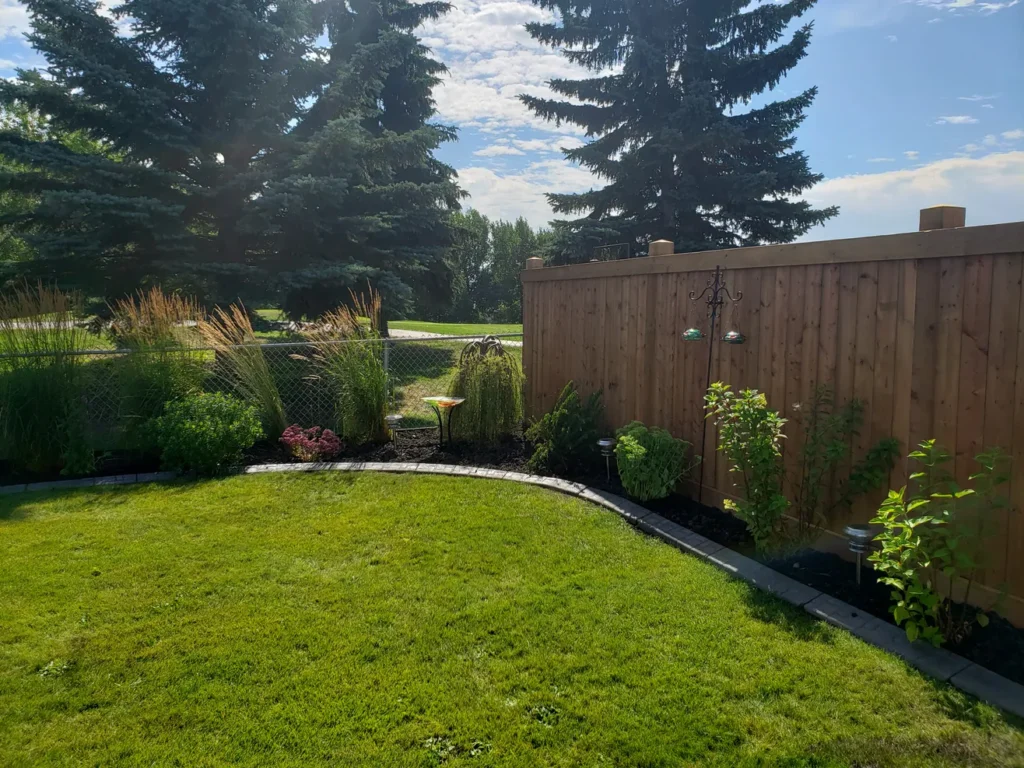
Alberta winters are long, cold, and hard on outdoor spaces. While snow can make a yard look peaceful for a few months, the conditions beneath the surface are constantly changing. Freeze–thaw cycles, heavy snow, and spring melt all affect the soil, plants, and hardscape features around your home.
Many homeowners only notice problems once the snow disappears in spring, but most landscaping damage actually happens during the winter months. Understanding what winter does to your yard can help you prevent costly repairs and know when it’s time to make improvements.
The Biggest Cause of Damage: Freeze–Thaw Cycles
One of the most challenging parts of Alberta’s climate is the frequent fluctuation between freezing and thawing temperatures. During the day, snow melts slightly and water seeps into soil and small cracks in hard surfaces. Overnight, that water freezes and expands.
This repeated expansion pushes soil upward and shifts anything sitting on top of it. The result is what’s known as frost heave.
Frost heave can cause:
Uneven walkways
Tilted patio stones
Leaning retaining walls
Cracked joints
Sunken or raised sections of your yard
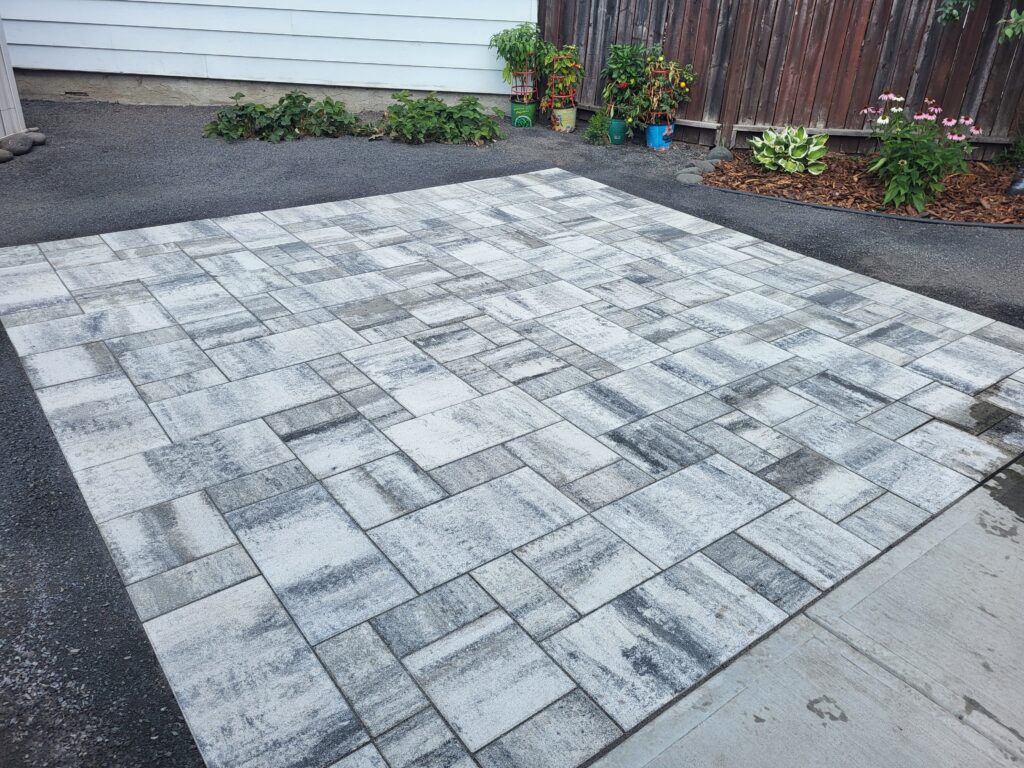
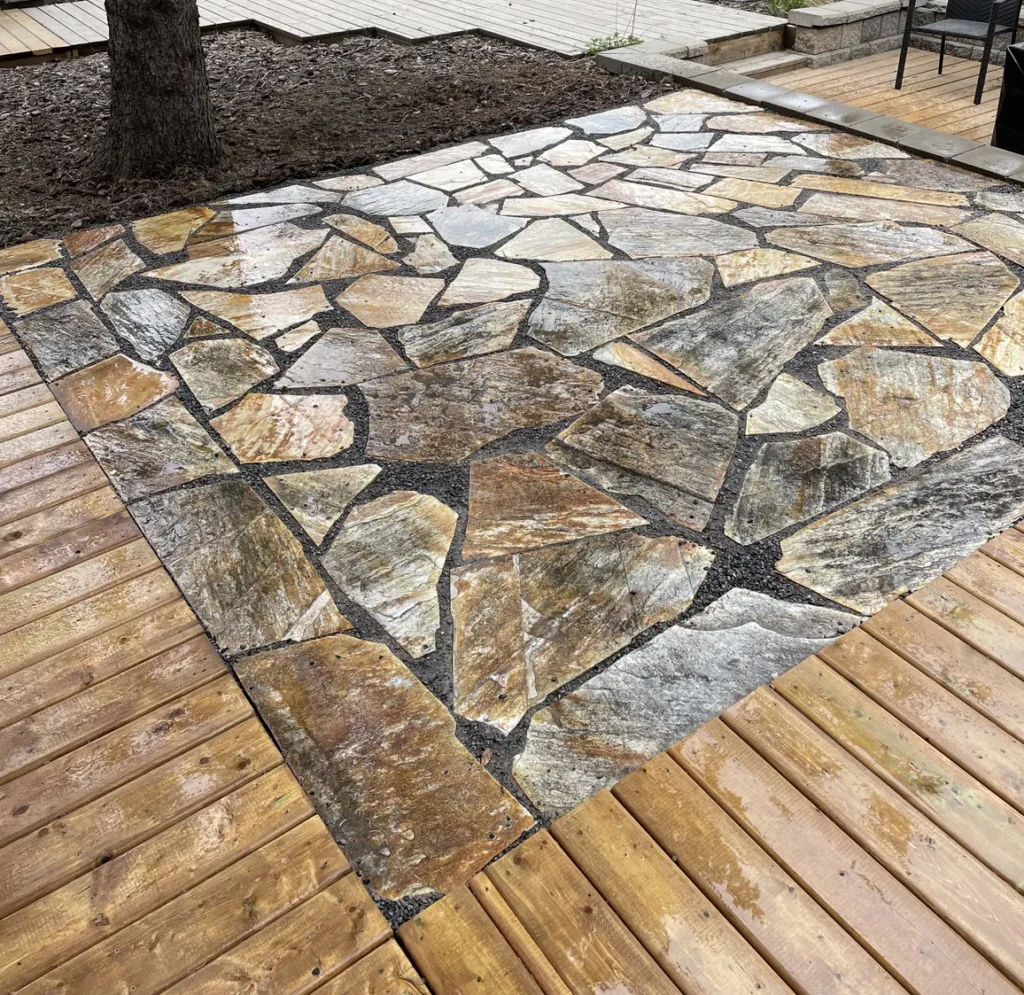
When outdoor features aren’t built on a proper base, winter movement becomes much more noticeable. Professionally installed patio construction and walkway construction are designed with compacted base layers and drainage so the surface stays stable through repeated freeze–thaw cycles.
Why Spring Brings Mud, Water, and Soft Ground
When the snow melts, all that frozen moisture has to go somewhere. If the yard was not graded correctly or lacks drainage pathways, water collects in low areas.
This is why many Edmonton homeowners see:
Persistent mud
Standing water
Soggy grass
Areas that never dry out
Often the issue is not the lawn itself but the underlying soil structure. Over time, compaction and improper grading prevent water from draining away from the property.
In these cases, reseeding or adding new sod rarely fixes the problem. Instead, homeowners often need yard restoration services to correct grading, improve soil structure, and direct water away from the home.
Hardscapes: Patios, Walkways, and Retaining Walls
Hardscape features take the most visible impact from winter conditions. When installed on a weak or shallow base, shifting soil moves the stones along with it.
You might notice:
Pavers separating
Edges lifting
Steps becoming uneven
Retaining walls starting to lean
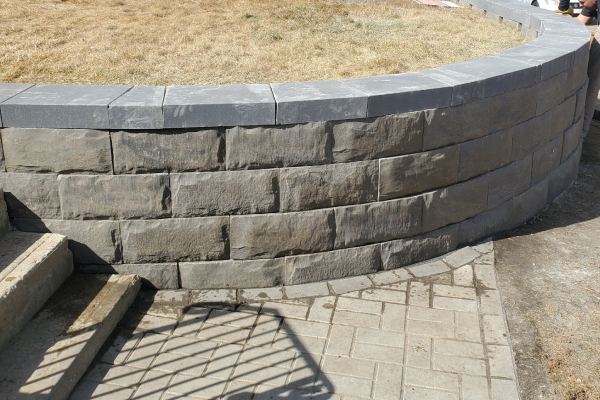
These issues rarely correct themselves and typically worsen each year as freeze–thaw cycles repeat. Proper retaining wall construction helps stabilize soil, manage elevation changes, and prevent erosion, while correctly built walkways and patios resist movement.
What Winter Does to Plants and Soil
Winter also affects the parts of your landscape that are less obvious.
Cold temperatures can damage plant roots, especially for species not suited to Alberta’s conditions. At the same time, heavy snow compresses the soil beneath it. When the ground thaws, compacted soil can prevent proper root growth and water absorption.
This often leads to:
Patchy lawns
Plants failing to return in spring
Yellowing grass
Poor growth throughout the season
Choosing hardy species and installing them properly makes a major difference. Professional plant selection and planting services help ensure plants survive winter conditions and grow successfully once spring arrives.
How to Protect Your Landscaping During Winter
While winter damage can’t be eliminated entirely, several steps can reduce its impact:
Keep drainage paths clear before snowfall
Avoid piling heavy snow on planting beds
Limit foot traffic on frozen grass
Repair small hardscape shifts early
Address grading issues before spring melt
The most effective protection is making sure the yard is designed and built correctly from the beginning. Careful planning through professional landscape design services allows drainage, grading, and material selection to be handled before problems develop.
When Winter Damage Means It’s Time for Improvements
If your yard develops the same issues every spring, the problem is usually structural rather than seasonal. Persistent mud, sinking stones, or shifting walls often indicate that the underlying soil or layout needs attention.
Instead of repeating temporary fixes each year, many homeowners choose to correct the root cause. Rebuilding unstable areas, improving drainage, or simplifying the layout with a low maintenance yard design can prevent recurring problems and make the yard easier to care for.
Safeguard Your Yard
Alberta’s climate is tough on outdoor spaces, but a properly planned landscape can handle it. If you notice the same problems returning each spring, the issue is usually structural rather than seasonal. Our team can assess drainage, grading, and hardscape stability and recommend practical, long-lasting solutions. If your yard is showing signs of winter damage, schedule a yard restoration consultation to identify the root cause and plan the next steps toward a more durable, low-maintenance outdoor space.
Affordable Landscaping Options for Edmonton Homeowners
Landscaping is one of the most impactful ways to improve your home’s curb appeal and functionality, but cost is often a major concern. Many homeowners want a yard that looks great without committing to constant upkeep or an overwhelming investment.
The good news is that affordable landscaping does not mean sacrificing quality. With smart planning, durable materials, and a practical approach, homeowners in Edmonton can create outdoor spaces that offer long-term value and hold up well in local conditions.
What Affects the Cost of Landscaping?
Before choosing affordable landscaping options, it helps to understand what actually drives the cost of a project. Every property is different, but several common factors tend to influence pricing.
Yard Size, Layout, and Existing Conditions
Larger yards typically require more materials and labour, but layout matters just as much. Sloped terrain, uneven ground, or poor drainage can increase costs if not addressed early.
This is where professional landscape design services can make a difference. A thoughtful design helps prioritize the most important elements and prevents unnecessary work or future rework.
Ground Preparation and Yard Condition
If a yard has compacted soil, damaged turf, or drainage issues, addressing those problems first is often the most cost-effective approach. Ignoring them can lead to ongoing maintenance issues or failed installations.
In these cases, starting with yard restoration can create a healthier foundation for future landscaping improvements.
Low Maintenance Landscaping Options That Save Money Over Time
One of the most affordable landscaping strategies is designing a yard that requires less ongoing upkeep. Low maintenance landscapes reduce time, effort, and long-term costs while still delivering a clean, finished look.
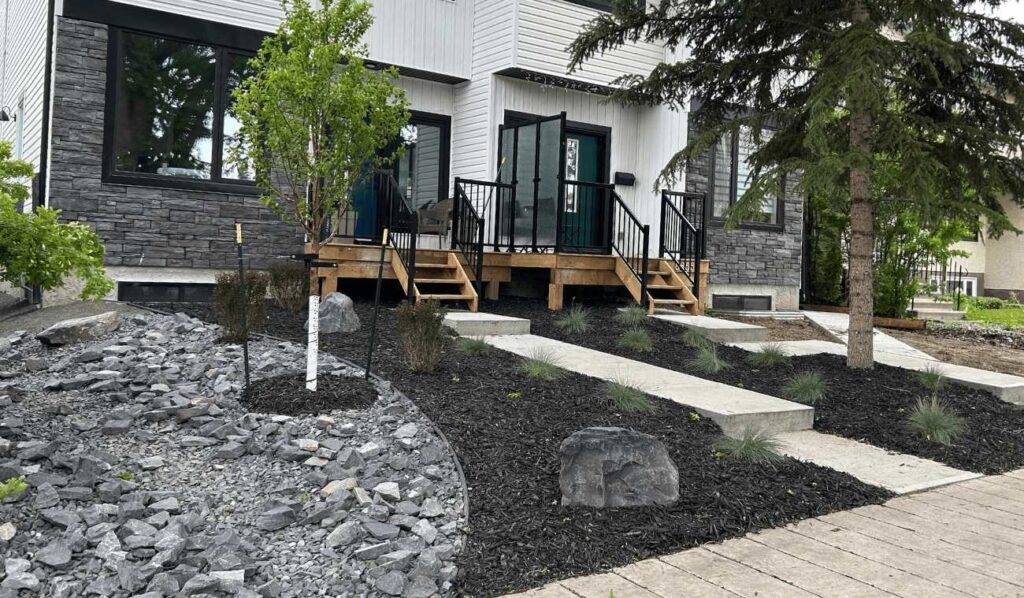
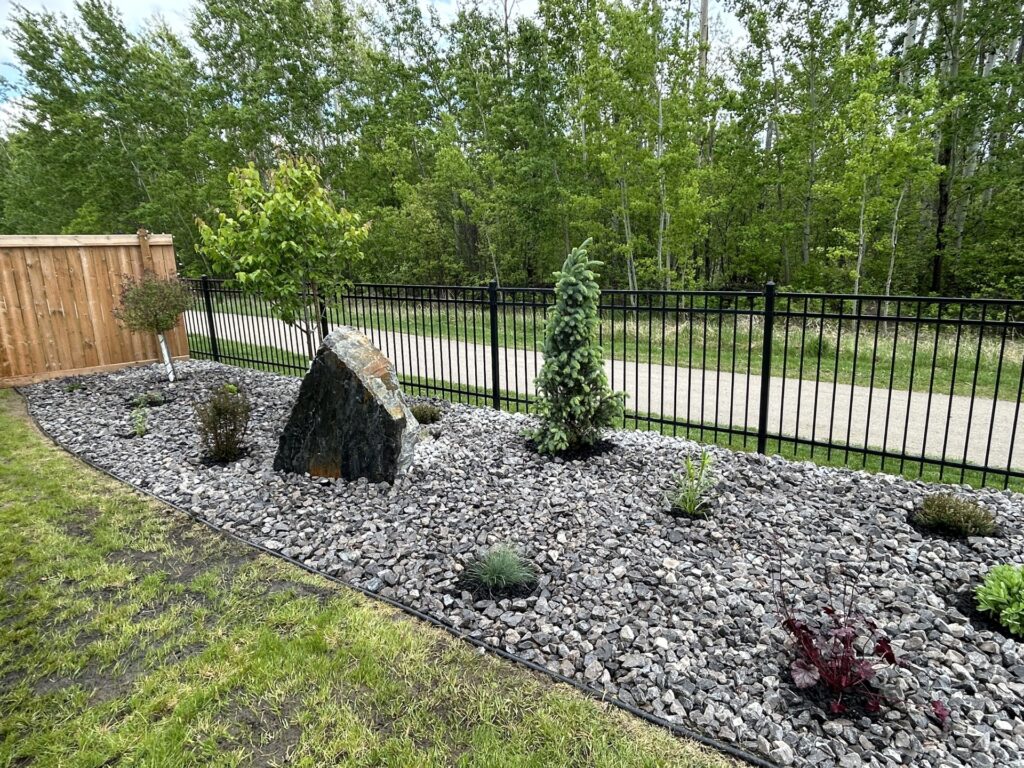
Many homeowners choose rock gardens, decorative gravel areas, and defined planting beds to reduce lawn space and minimize watering and mowing. Selecting durable materials and practical layouts also helps keep maintenance predictable.
Plant selection plays a major role in how affordable a landscape remains over time. Choosing plants that thrive in Edmonton’s climate reduces replacement costs and ongoing care.
Strategic plant selection and professional planting ensures that trees, shrubs, and ground cover are placed where they can succeed long term, rather than requiring constant attention or early replacement.
Hardscaping Features That Provide Long-Term Value
Hardscaping is often seen as a larger upfront investment, but it can be one of the most cost-effective landscaping choices over time due to its durability and low maintenance needs.
Retaining Walls
For properties with slopes or uneven terrain, retaining walls add structure while helping prevent erosion and drainage problems. When built correctly, they protect the yard and surrounding landscape from future damage.
Professional retaining wall construction provides both functional support and long-lasting stability, reducing the need for ongoing repairs.
Patios and Walkways
Simple patios and walkways create usable outdoor space while reducing wear on lawn areas. Clean layouts and durable materials help keep costs under control while improving how the yard functions day to day.
Affordable Landscaping Doesn’t Mean Cutting Corners
While it can be tempting to choose the cheapest option available, affordability should be measured over the life of the landscape, not just the initial install.
Proper base preparation, grading, and installation techniques are essential for Edmonton’s freeze-thaw cycles. Skipping these steps may save money upfront, but often leads to higher repair costs later.
Working with an experienced landscaping company helps ensure that even budget-conscious projects are built to last.
Phasing a Landscaping Project to Stay on Budget
Another effective way to manage landscaping costs is by completing a project in stages. Instead of tackling everything at once, homeowners can focus on the most important elements first.
Structural features like retaining walls or grading are often best handled early, while additional planting, patios, or lighting can be added later as budget allows. This approach keeps projects manageable while still working toward a cohesive final result.
Choosing the Right Landscaping Company Matters
Affordable landscaping isn’t just about materials or features. It also depends on the experience and planning approach of the landscaping company you choose.
A professional team can help homeowners:
Identify cost-effective design solutions
Avoid unnecessary features
Choose materials suited to local conditions
Plan projects with long-term value in mind
This guidance often results in better outcomes and fewer surprises throughout the project.
Creating an Outdoor Space That Fits Your Budget and Lifestyle
Every homeowner’s needs are different. Some want a simple, easy-care yard, while others are focused on improving usability or gradually enhancing their outdoor space over time.
The most affordable landscaping solutions are often those that align closely with how the space will actually be used. With thoughtful planning and professional support, it’s possible to create a yard that looks great, functions well, and remains cost-effective for years to come.
Start the Process
Affordable landscaping starts with smart planning and the right team. At Lush Landscaping & Restoration, we help Edmonton homeowners create outdoor spaces that balance cost, durability, and long-term value. Whether you’re looking for a low maintenance yard, structural improvements, or a phased approach to stay within budget, our team is ready to turn your vision into a landscape that works for your lifestyle and your home.
Choosing between artificial turf and natural grass is one of the most common decisions homeowners face when improving their yard. Each has its strengths, and the best choice depends on your budget, maintenance goals, and lifestyle. At Lush Landscaping, we help Edmonton homeowners find the ideal solution that keeps their property beautiful through every season.
Artificial Turf vs. Natural Grass in Edmonton
Edmonton’s cold winters and dry summers create unique challenges for lawn care. Natural grass can struggle with short growing seasons, frost damage, and inconsistent rainfall. Artificial turf offers a low-maintenance alternative that stays green year-round and performs well in shaded or high-traffic areas.
Both options can look great, but their performance depends heavily on how you use your yard and how much time you want to spend maintaining it.
Appearance and Feel
Modern artificial turf closely replicates the look and feel of real grass. Multi-tone fibers and soft infill materials create a natural appearance that holds up even after heavy use. Turf remains green throughout the year and does not fade under Edmonton’s strong sun.
Natural grass offers an authentic texture, cool feel, and scent that turf cannot fully duplicate. It’s the preferred choice for homeowners who enjoy gardening or the seasonal look of a live yard.
Maintenance and Upkeep
Artificial turf is nearly maintenance-free. It requires only occasional rinsing to remove debris and brushing to keep fibers upright. There is no mowing, watering, or fertilizing needed, which saves time and reduces long-term costs.
Natural grass needs consistent care. It must be mowed, watered, and fertilized regularly to stay healthy, especially during summer. Aeration and seeding are also required to repair damage and encourage thick growth.
For homeowners looking to simplify upkeep, our Low-Maintenance Yards service provides creative solutions that blend both natural and synthetic elements for lasting appeal.
Cost Comparison and Lifespan
Artificial turf has a higher upfront cost, but the investment pays off over time with lower maintenance and no watering bills. Quality turf can last 15 to 20 years when installed properly.
Natural grass is cheaper to install but brings ongoing costs for care, irrigation, and seasonal upkeep. Over several years, these expenses can exceed the initial cost of turf.
Environmental Impact
Artificial turf conserves water and eliminates the need for fertilizers, pesticides, and gas-powered mowing equipment. However, it is made from synthetic materials that can retain heat in full sunlight.
Natural grass contributes to oxygen production, supports soil ecosystems, and keeps yards cooler, though it requires more water and maintenance.
Lush Landscaping can combine turf and natural areas for a sustainable and practical layout through our Landscaping Design service.
Seasonal Performance in Edmonton
Artificial turf handles Edmonton’s temperature swings exceptionally well. It drains quickly during snowmelt, stays durable under traffic, and remains green even after harsh winters. Turf is especially useful in shaded or sloped areas where natural grass may struggle to grow.
Natural grass can go dormant in winter and requires time to recover each spring. Proper aeration and soil care can help it thrive again during warmer months, but it does need more hands-on attention to stay lush and healthy.
Pet-Friendly Considerations
For homeowners with pets, artificial turf is an excellent option. It resists digging, drains quickly, and makes cleanup simple. Turf surfaces dry faster after rain and are less likely to turn muddy, which keeps both your yard and pets cleaner.
Natural grass is softer and cooler underfoot, which pets enjoy, but it can develop worn patches in high-use areas. Pet urine can also create brown spots that require extra care to repair. Lush Landscaping designs both turf and grass yards with pet-friendly solutions in mind, ensuring comfort, hygiene, and durability for the whole family.
Natural appearance, eco-benefits, cooler temperature
Requires watering and mowing, susceptible to wear and weather damage
Choosing the Right Option for Your Yard
Your decision depends on how you want to use your space. Artificial turf is ideal for busy families, pet owners, and homeowners who want a consistently green yard with minimal upkeep. Natural grass suits those who value a natural ecosystem, enjoy gardening, and do not mind seasonal maintenance.
For custom designs or blended solutions, our Yard Restoration experts can help you compare options and install the perfect surface for your property.
How Lush Landscaping Delivers Professional Results
Lush Landscaping installs both artificial turf and natural lawns built to last in Edmonton’s climate. Our team prepares each yard with proper grading, drainage, and soil conditioning before installation. Whether you choose turf or grass, we focus on long-term performance, water efficiency, and design aesthetics that fit your home’s style.
We also provide complementary services like Plant Selection and Planting to complete your outdoor space with professional finish and seasonal color.
Get Expert Advice for Your Edmonton Lawn
Choosing between artificial turf and natural grass doesn’t have to be difficult. With guidance from Lush Landscaping, you can find the best balance between appearance, sustainability, and cost.
Visit our Contact Page to book a consultation and receive personalized recommendations for your yard. Our team will help you design a beautiful outdoor space that fits your lifestyle and thrives in Edmonton’s conditions.
Mulch is one of the most effective and affordable ways to keep a yard looking clean, healthy, and low-maintenance. In Edmonton’s dry and often unpredictable climate, the right mulch can make a big difference in how well your garden holds moisture and keeps weeds under control. At Lush Landscaping, we use proven mulching techniques that protect your soil, support plant growth, and enhance curb appeal year-round.
Why Mulching Matters for Edmonton Yards
Edmonton’s weather can shift quickly from hot, dry summers to cold, frosty winters. These temperature swings can cause soil to dry out and plants to struggle. Mulch acts as a natural insulator, helping stabilize soil temperature and retain moisture. It also shields the ground from direct sunlight, reducing how quickly water evaporates after rain or irrigation.
Beyond moisture control, mulch prevents weeds from sprouting by blocking sunlight from reaching weed seeds. This creates a clean, polished look that cuts down on maintenance time and keeps your garden healthy through every season.
How Mulch Controls Weeds and Retains Moisture
Mulch creates a physical barrier between soil and the air. When applied correctly, it limits weed growth by preventing seeds from germinating. It also slows down evaporation, which keeps the soil consistently damp and helps roots access the water they need even during dry spells.
In addition, mulch prevents soil compaction from heavy rain and helps improve water absorption. Over time, organic mulch breaks down and enriches the soil with nutrients, creating a healthier growing environment for plants and flowers.
Types of Mulch and Their Benefits
There are two main types of mulch used in Edmonton landscaping: organic and inorganic. Both can be effective depending on your yard design and maintenance preferences.
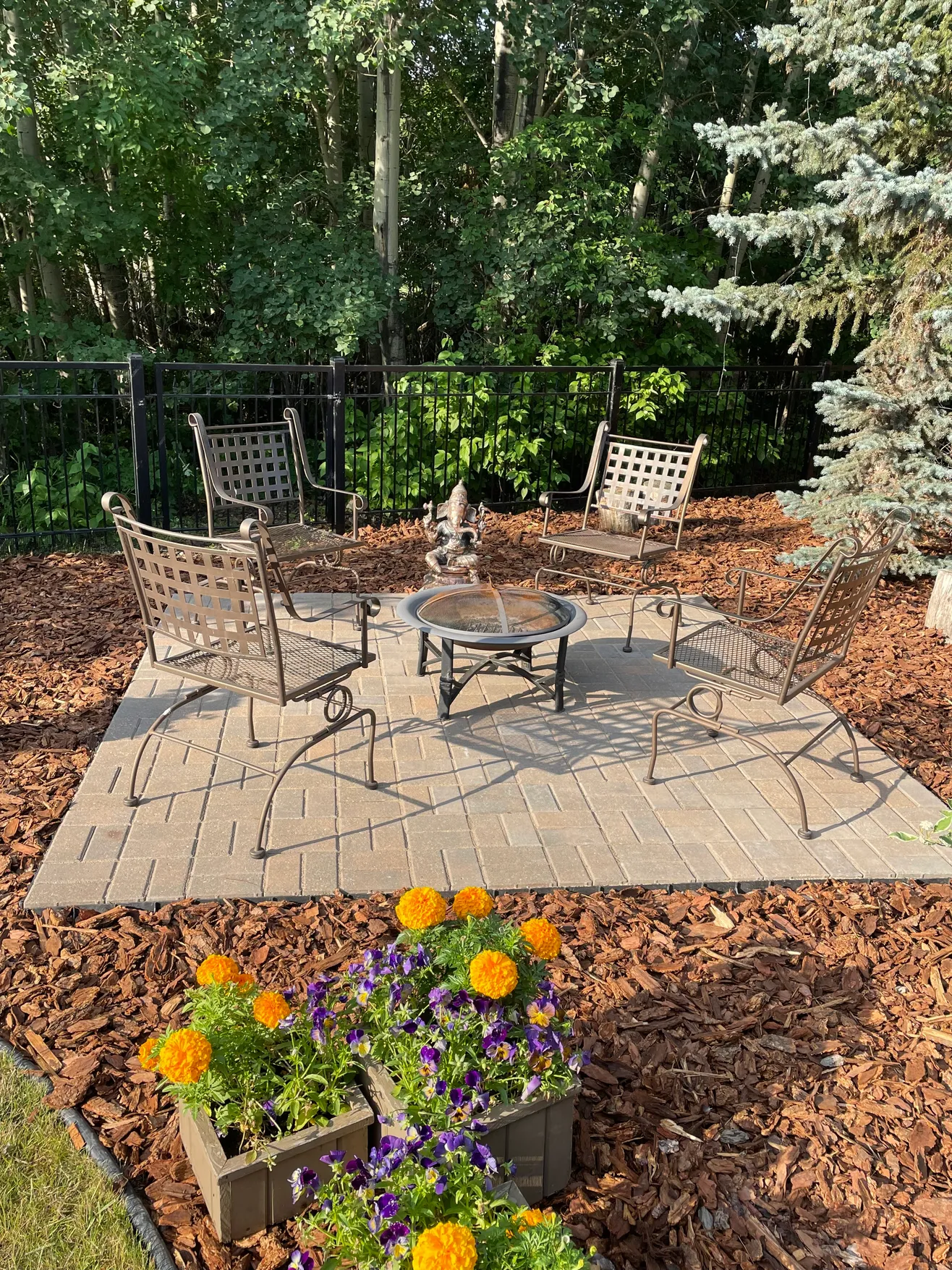
Organic Mulch: This includes bark, wood chips, compost, and leaves. It improves soil health, regulates temperature, and supports plant roots as it naturally decomposes. Organic mulch also adds visual warmth and blends seamlessly with garden beds.
Inorganic Mulch: Materials like rock, gravel, or recycled rubber fall into this category. Inorganic options last much longer than organic mulch and require less maintenance. They are ideal for walkways, garden borders, and modern landscapes where a clean, polished look is desired.
Organic vs. Inorganic Mulch: Pros and Cons
Type
Pros
Cons
Organic Mulch
Improves soil, adds nutrients, natural appearance
Needs refreshing every 1–2 years, can attract pests if overapplied
Does not improve soil health, can retain heat in full sun
Choosing between these two options depends on your goals. If you want better soil health and natural aesthetics, organic mulch is ideal. If low maintenance and durability are your priority, inorganic mulch works best.
Best Mulching Techniques for Edmonton Homes
Proper application is key to getting the most from your mulch. Start by removing existing weeds and debris from your planting area. Spread mulch in a layer about 2 to 4 inches deep for garden beds and around 1 inch for walkways or decorative areas.
Keep mulch a few inches away from plant stems, tree trunks, or shrubs to prevent rot. Finish by watering lightly to help the mulch settle evenly.
For larger projects or complete yard updates, the Yard Restoration team at Lush Landscaping ensures each area is prepared and protected for long-term success.
Seasonal Mulch Maintenance
Mulching is not a one-time task. In spring, check mulch depth and replenish where needed to restore color and effectiveness. Before winter, add an extra layer to insulate roots from freezing temperatures and prevent frost heaving.
For low-maintenance yards, consider combining mulch with drought-tolerant plants and smart irrigation systems. These solutions can be integrated through our Low-Maintenance Yards service for efficient year-round care.
How Lush Landscaping Creates Lasting Results
Lush Landscaping provides professional mulch installation designed to enhance both appearance and performance. Our team selects the right materials for your yard’s soil, plants, and overall layout to ensure lasting results. We also offer full Plant Selection and Planting services to complement your mulch design and promote balanced growth.
Every property we work on is treated with care, precision, and long-term sustainability in mind.
Keep Your Yard Healthy Year-Round
Mulching is an easy way to improve soil health, reduce weeds, and maintain consistent moisture in Edmonton’s challenging climate. Whether you prefer natural bark or decorative stone, the right mulch brings out the best in your landscape.
Keep your yard beautiful and efficient with professional help from Lush Landscaping. Visit our Contact Page to request a free consultation and discover how the right mulching strategy can transform your property.
A beautiful yard should be a place to relax, not a constant chore. Many Edmonton homeowners want outdoor spaces that look appealing but do not require hours of upkeep every week. The good news is that you can design a low-maintenance yard that balances convenience and beauty. At Lush Landscaping, we specialize in creating outdoor spaces that are easy to care for while adding long-lasting curb appeal.
Why Low-Maintenance Yards Make Sense in Edmonton
Edmonton’s climate creates unique challenges for yard care. Cold winters, hot summers, and limited rainfall mean lawns and high-maintenance plants often demand extra work. A low-maintenance yard reduces watering, mowing, and pruning, saving time and money while still providing an inviting space for family and friends.
Choosing the Right Plants for Effortless Beauty
Plant selection is the foundation of a low-maintenance yard. Hardy perennials, native plants, and drought-tolerant species thrive in Edmonton’s conditions with minimal attention. Consider options such as:
Native grasses that resist drought and require little mowing
Perennials like coneflowers and daylilies that return each year
Shrubs such as junipers or potentillas that withstand Edmonton winters
By using the right plants, you can enjoy colour and greenery without constant replanting or watering.
Hardscaping Features That Reduce Upkeep
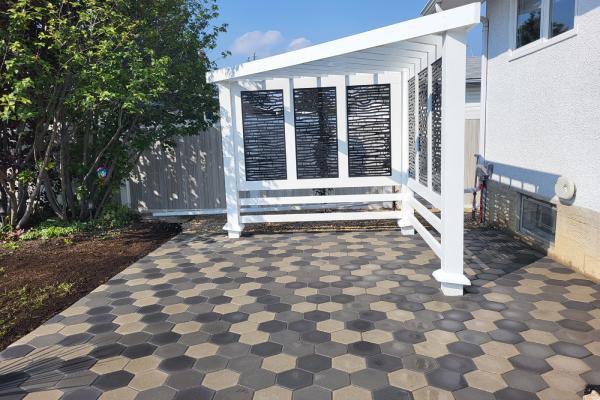
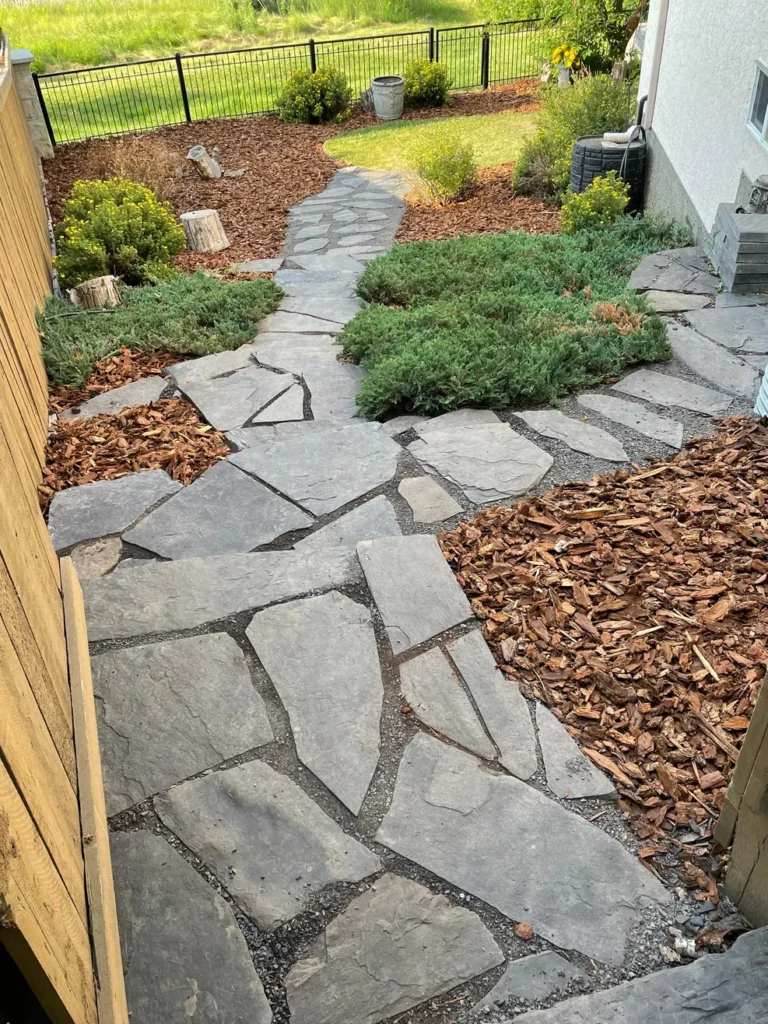
Hardscaping not only lowers maintenance but also enhances design. Features like patios, walkways, and retaining walls reduce the amount of grass to mow and provide structure to your outdoor space. Stone or paver walkways create clean lines, while retaining walls add dimension and prevent soil erosion. Patios expand usable space for entertaining without adding upkeep.
Water-Efficient Yard Layouts
Watering is one of the most time-consuming tasks in yard care. Designing for efficiency makes a big difference:
Install drip irrigation systems that target plant roots directly
Group plants with similar water needs into the same zones
Use proper grading and mulching to retain moisture naturally
These strategies keep your yard lush while reducing water use and ongoing maintenance.
Creating Visual Appeal With Minimal Work
A low-maintenance yard does not have to look plain. Simple design strategies can maximize beauty with little effort:
Mix plants with varying textures and colours for natural variety
Incorporate outdoor lighting to highlight focal points and extend usability
Use evergreens for year-round structure and seasonal perennials for pops of colour
These design elements ensure your yard looks vibrant without the need for constant attention.
Real Examples of Low-Maintenance Edmonton Yards
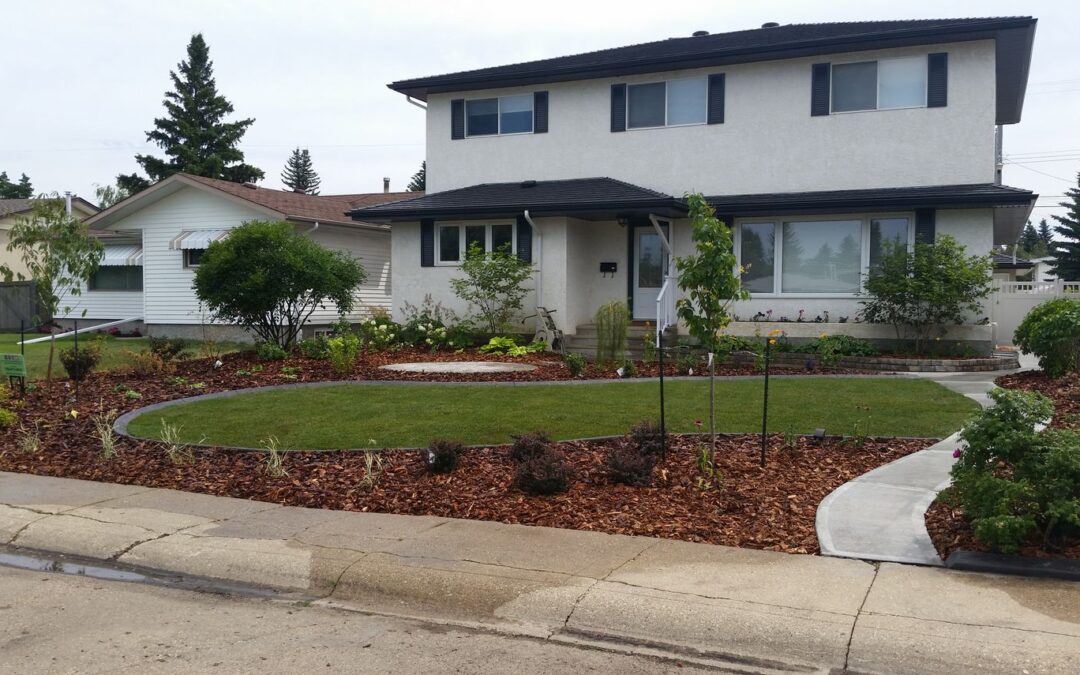
We have helped homeowners transform their yards by replacing large lawn areas with patios, walkways, and native planting beds. In one Edmonton project, we used drought-tolerant shrubs, stone pathways, and outdoor lighting to create a stylish, low-maintenance yard that required less than an hour of care per week.
Edmonton’s tough winters and dry summers can leave lawns looking patchy, thin, or bare. Homeowners often face the question of how best to bring their yards back to life: overseeding or sodding. Each method has its own advantages, costs, and maintenance requirements. At Lush Landscaping, we help Edmonton homeowners choose the right approach based on their lawn’s condition and long-term goals.
Why Lawns in Edmonton Need Recovery
Freeze-thaw cycles, snow cover, drought, and heavy foot traffic all weaken grass over time. Lawns often emerge from winter with bare patches, while hot summers can dry out roots and thin growth. Restoration is necessary to keep turf thick, healthy, and resistant to weeds.
What Is Overseeding and How Does It Work?
Overseeding involves spreading new grass seed over existing turf to fill in bare or thinning areas. It works best when the soil is aerated beforehand, allowing seeds to make contact with the soil for proper germination. Overseeding gradually thickens a lawn and improves its resilience without the need to start from scratch.
What Is Sodding and How Does It Work?
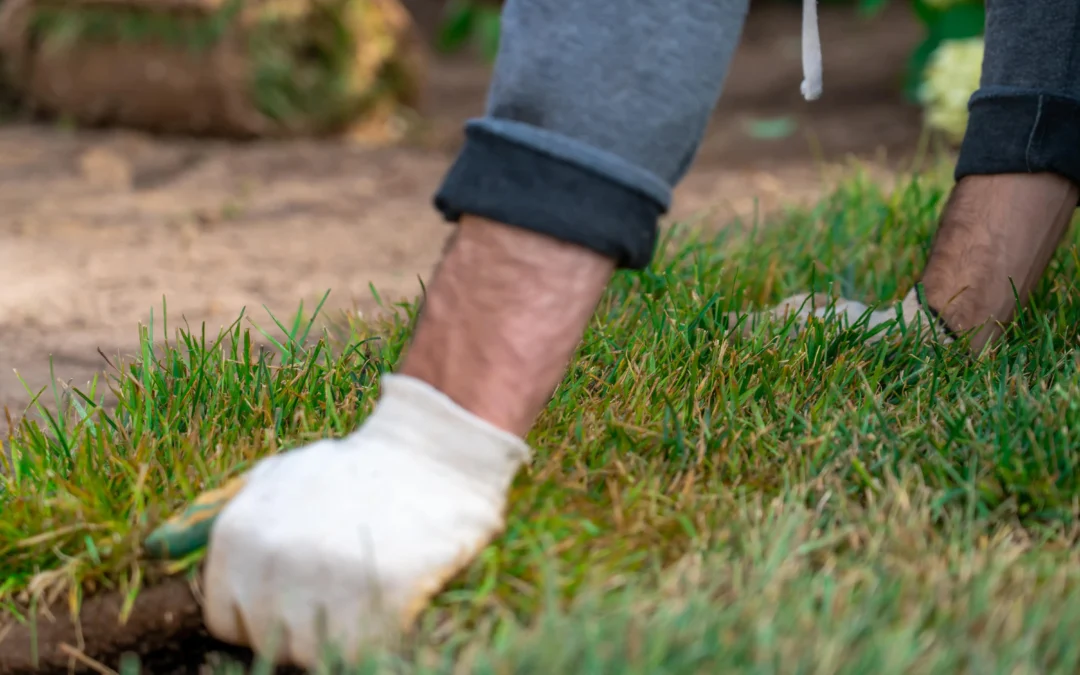
Sodding means installing rolls of pre-grown grass over prepared soil. It provides an instant lawn and is often used for large bare areas or complete yard makeovers. Proper soil preparation and irrigation are essential for sod to take root and grow successfully.
Key Differences Between Overseeding and Sodding
Cost Comparison
Overseeding is less expensive, requiring only seed, soil prep, and time. Sodding costs significantly more due to the purchase of mature grass and the labour required for installation.
Speed of Results
Sodding delivers immediate results, creating a green lawn in a single day. Overseeding takes several weeks for seeds to germinate and fill in, with full results visible in one to two growing seasons.
Labour and Effort
Overseeding is less labour-intensive but requires consistent watering and patience. Sodding is more demanding during installation but offers instant gratification once the sod is laid.
Climate Adaptation and Durability
Overseeding allows homeowners to choose seed mixes suited to Edmonton’s climate, improving long-term adaptation. Sod can also thrive in Edmonton but may be less resilient if not matched properly to soil and climate conditions.
Which Method Is Right for Your Yard?
Overseeding is best for lawns that are thin but still have a healthy base of grass. It is cost-effective and strengthens existing turf.
Sodding is the right choice for bare or severely damaged lawns where fast results are needed. It is also ideal for new yard installations.
Maintenance Timelines After Overseeding or Sodding
Overseeding: Water lightly and frequently until seeds germinate, then reduce watering to encourage deep roots. Mow only once the new grass reaches 3 inches. Fertilize after 6–8 weeks for stronger growth.
Sodding: Water daily for the first two weeks, ensuring the sod stays moist until roots establish. Avoid heavy foot traffic for 3–4 weeks. Resume normal mowing and fertilization once the sod is secure.
Professional Lawn Recovery for Edmonton Homeowners
Both overseeding and sodding can transform a tired lawn, but choosing the right method depends on your budget, timeline, and yard condition. At Lush Landscaping, we provide expert yard restoration services tailored to Edmonton’s climate. We also offer landscaping design and plant selection and planting to complement your lawn. Contact us today to find the best solution for your yard recovery.