If you’re planning to improve your lawn, one of the first questions you’ll likely face is whether to install sod or grow grass from seed.
Both options can create a healthy lawn, but they come with very different timelines, costs, maintenance needs, and long-term expectations. In Edmonton especially, climate and timing play a major role in how successful each option will be.
The truth is there isn’t one universal answer for yard restoration. The best choice depends on your budget, timeline, lawn conditions, and how quickly you want results.
Here’s what Edmonton homeowners should know before deciding between sod and seed.
What’s the Difference Between Sod and Seed?
At the simplest level:
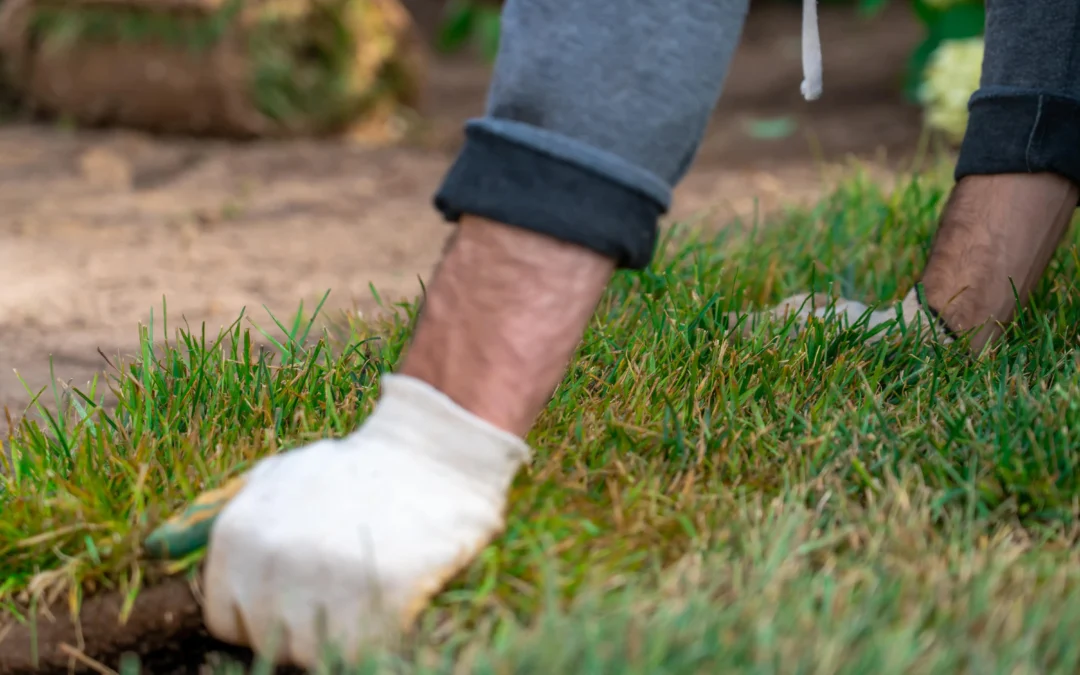
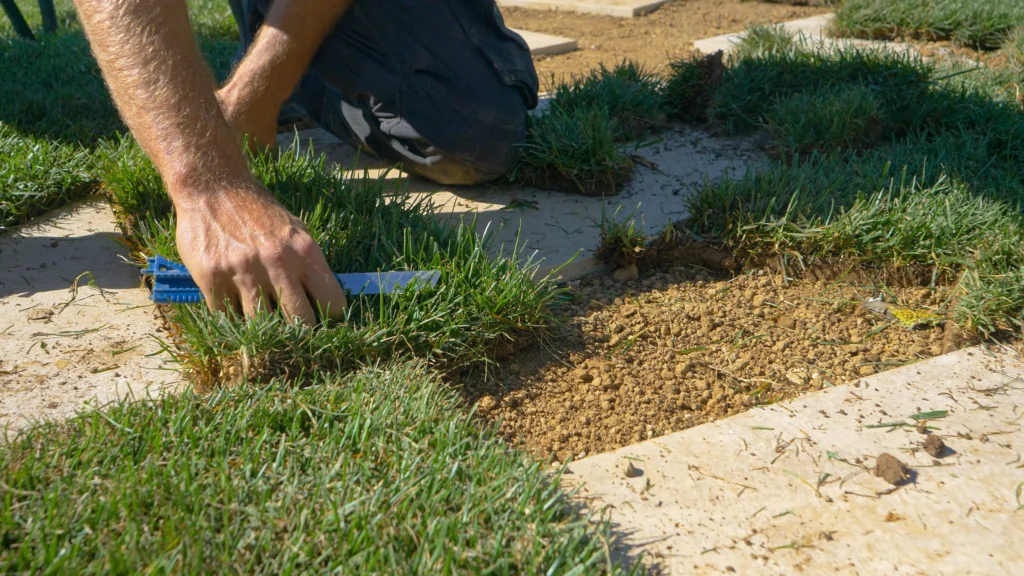
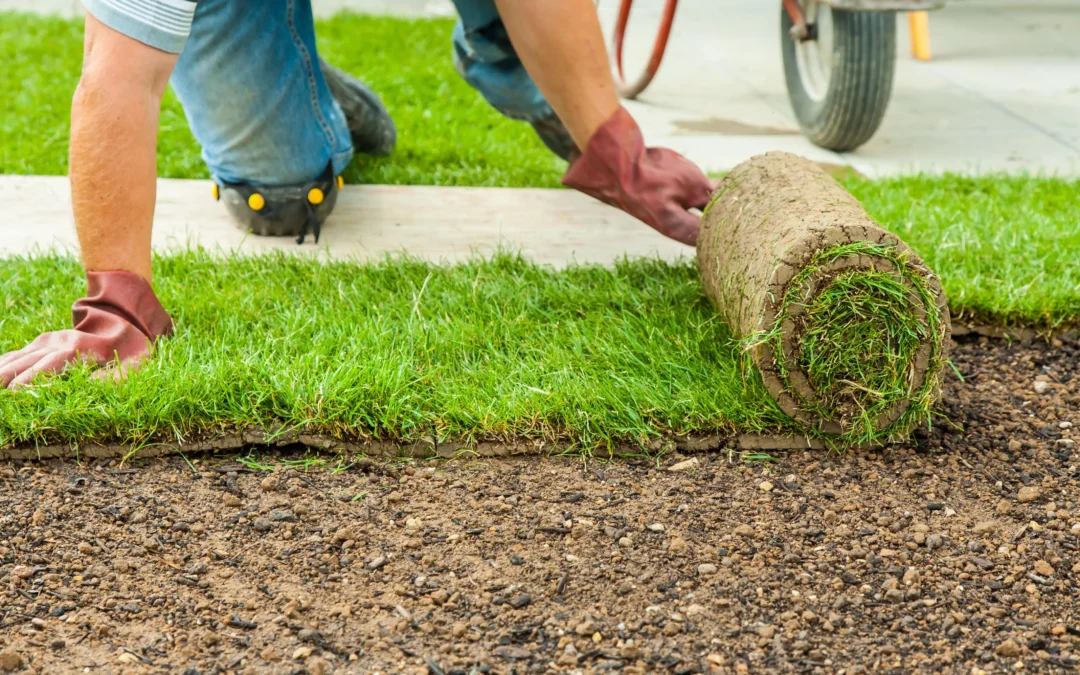
Sod is pre-grown grass that is installed in rolls or sections and placed directly onto prepared soil.
Seed involves spreading grass seed and growing the lawn from scratch over time.
While both approaches can eventually create a healthy lawn, the process and expectations are very different.
Sod offers instant results and faster establishment, while seed tends to cost less upfront but requires more patience and care.
Why Edmonton’s Climate Matters
Edmonton’s weather makes lawn establishment more challenging than many homeowners expect.
Factors like:
Long winters
Dry summer periods
Heavy spring moisture
Freeze–thaw cycles
Shorter growing seasons
…all affect how grass establishes and survives.
Timing becomes especially important here. Installing sod or seeding at the wrong time of year can lead to weaker establishment and more frustration.
For most Edmonton homeowners, spring and early fall tend to offer the best conditions for healthy lawn growth.
The Benefits of Sod
Sod is often the fastest route to a finished-looking lawn.
Because the grass is already mature, homeowners immediately get the appearance of a healthy yard instead of waiting weeks or months for growth.
Pros of Sod
Instant visual results
Faster establishment
Better erosion control on sloped areas
Fewer weed problems during early growth
Creates a usable yard much sooner
This makes sod especially appealing for:
New home builds
Yard restoration projects
Homes going on the market
Homeowners who want quick results
For families with pets or kids, sod often means getting the yard usable again much faster.
Cons of Sod
Higher upfront cost
Requires careful watering during establishment
Can fail if soil prep is poor
Less flexibility in grass variety selection
One of the biggest misconceptions about sod is that it’s maintenance-free. Newly installed sod still requires proper watering and care to root successfully.
Without good preparation underneath, even premium sod can struggle long-term.
The Benefits of Seeding
Seeding takes longer, but it offers flexibility and lower upfront costs.
Instead of installing mature grass, homeowners grow the lawn gradually over time.
Pros of Seeding
Lower upfront cost
More grass type options
Easier to customize seed blends
Better for repairing patchy areas
Stronger long-term root development in some cases
Seeding also works well when homeowners want grass specifically suited to Edmonton’s climate or maintenance goals.
For example, some homeowners prefer drought-tolerant blends or lower-maintenance grass combinations rather than standard sod varieties.
Cons of Seeding
Takes much longer to establish
Requires more patience and maintenance early on
More vulnerable to weeds during growth
Greater risk of patchiness
Weather can affect success significantly
A seeded lawn may take several weeks before noticeable growth appears and months before it feels fully established.
This can be frustrating for homeowners expecting immediate results.
Sod Usually Wins for Speed
If your priority is speed, sod is the clear winner.
Homeowners often choose sod because:
They want immediate curb appeal
Their yard is currently unusable
They’re completing a larger landscaping project
They don’t want to wait an entire season for results
This is especially common during yard restoration projects, where the goal is to completely rebuild and finish the space quickly.
While sod still requires time to root, the yard immediately looks complete.
Seed Can Be Better for Customization
If your priority is choosing the right lawn for your lifestyle, seed often offers more flexibility.
With seed, homeowners can choose blends designed for:
Lower maintenance
Shade tolerance
Drought resistance
Heavy foot traffic
Pet-friendly durability
This is particularly useful in Edmonton, where different yards have very different sun exposure and drainage conditions.
Many of the best lawns here actually rely on grass blends rather than a single grass type.
Timing Matters More With Seed
Seeding success depends heavily on timing.
In Edmonton:
Spring
Can work well but often brings weeds and inconsistent moisture.
Summer
Usually more difficult because heat and dry periods can stress young grass.
Fall
Often considered one of the best times because:
Soil is still warm
Cooler air reduces stress
Weed competition is lower
Sod tends to be more forgiving, while seed generally requires more ideal conditions to succeed.
So Which Is Better for Edmonton Homeowners?
The answer depends on your priorities.
Choose Sod If:
You want immediate results
You’re restoring a full yard
You want quicker usability
Appearance matters right away
Choose Seed If:
You want lower upfront costs
You prefer customized grass blends
You’re patient with the process
You’re repairing smaller areas
For many homeowners, the decision comes down to balancing speed versus budget.
Neither option is automatically better. The best solution depends on your goals and the condition of your yard.
Good Soil Preparation Matters Either Way
One thing many homeowners overlook is that sod and seed are only as successful as the soil underneath.
Poor preparation can lead to:
Weak growth
Drainage problems
Patchy lawns
Early deterioration
This is why grading, soil quality, and proper preparation matter just as much as the grass itself.
Without the right foundation, even high-quality sod or premium seed mixes may struggle.
The Best Lawn Starts With the Right Plan
Whether you choose sod or seed, the goal is the same: creating a lawn that works well in Edmonton’s climate and fits your long-term maintenance expectations.
The right choice depends on:
Your budget
Your timeline
How you use the yard
How much maintenance you want
If you’re planning a lawn upgrade or larger outdoor project, our Plant Selection & Planting services can help you better understand what options make the most sense for your property.
And if you’d like help planning your yard, feel free to reach out to our team to discuss your landscaping goals.
Older yards often come with a certain amount of character, but they also tend to develop problems over time. Years of weather exposure, settling, aging materials, and changing homeowner needs can gradually make outdoor spaces feel less functional and harder to maintain.
In Edmonton especially, freeze–thaw cycles, heavy spring moisture, and shifting soil conditions can take a toll on patios, grading, planting, and overall yard performance. Many homeowners find themselves constantly fixing small issues without realizing those problems are often connected.
The good news is that most aging yard problems can be corrected with the right plan. Here are some of the most common issues found in older Edmonton properties and what homeowners can do to improve them.
Uneven Patios and Walkways
One of the first signs of an aging yard is shifting hardscaping.
Over time, patios and walkways may begin to:
Sink in certain areas
Become uneven
Develop trip hazards
Separate or shift during seasonal changes
In Edmonton, this often happens because of freeze–thaw cycles and long-term settling underneath the surface. Older installations may not have been built with the same excavation and base preparation standards used today.
While isolated repairs can sometimes help, widespread movement across multiple areas is often a sign that the yard needs a more comprehensive solution.
In many cases, a full yard restoration allows underlying grading and stability issues to be corrected instead of repeatedly patching surface-level problems.
Drainage and Water Pooling
Water problems are extremely common in older Edmonton yards.
Homeowners often notice:
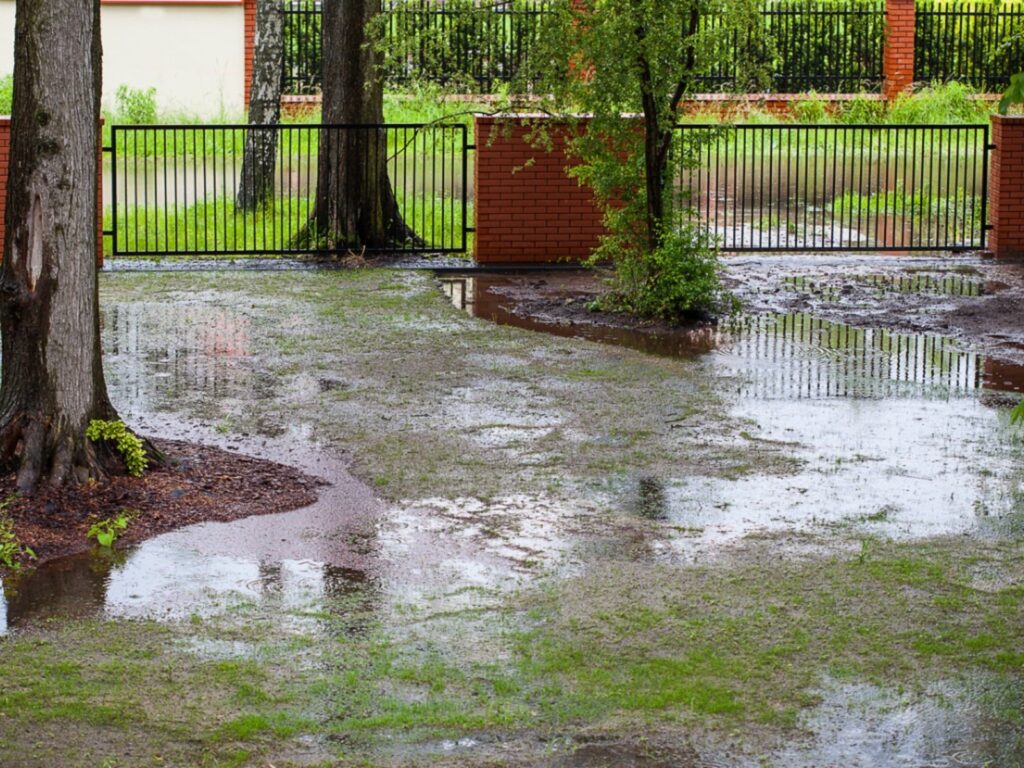
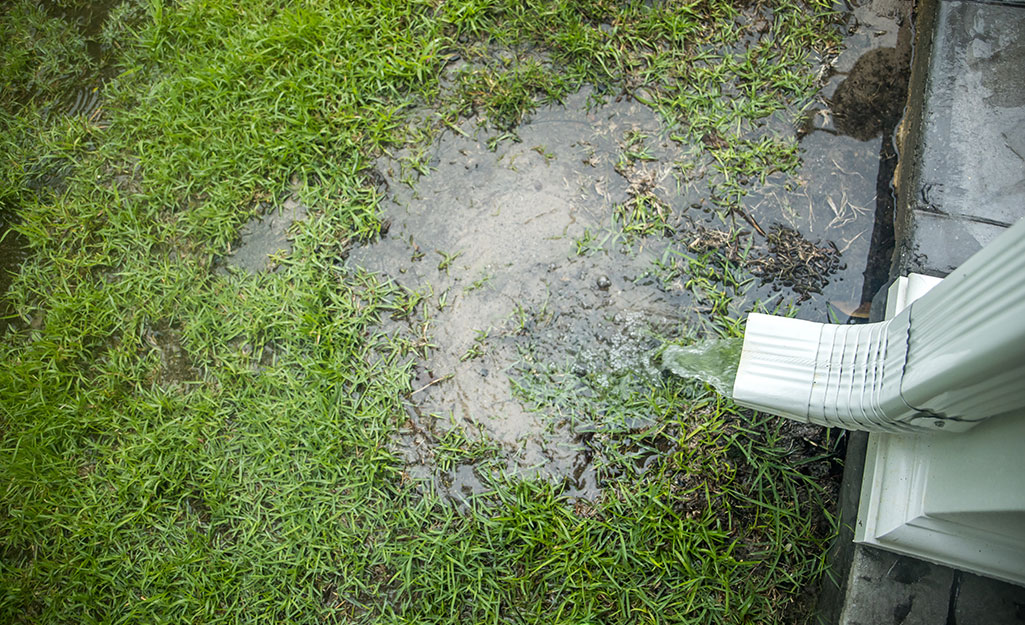
Standing water after rain
Muddy sections that stay wet for days
Water collecting near patios or foundations
Erosion in planting beds or low areas
These issues are usually tied to improper grading, settling, or drainage systems that no longer work effectively.
Over time, water problems tend to spread and affect other parts of the yard as well. Soft ground can weaken hardscaping, while persistent moisture can damage planting areas and reduce usability.
Correcting drainage often means looking at the overall layout and grading of the property rather than trying short-term fixes.
Outdated Yard Layouts
Many older yards simply weren’t designed for how homeowners use outdoor spaces today.
Years ago, yards often prioritized:
Large lawn areas
Minimal entertaining space
Smaller patios
Simpler layouts
Today, many homeowners want outdoor spaces that function more like an extension of the home.
Common frustrations include:
No comfortable gathering area
Awkward traffic flow
Unused sections of the yard
Limited entertaining space
Even if the yard technically still works, the layout may no longer match modern needs or lifestyle preferences.
This is one of the biggest reasons homeowners decide to pursue a yard restoration, allowing the space to be redesigned around how it’s actually used.
Overgrown or Difficult-to-Maintain Landscaping
Older yards often become harder to maintain over time.
What once looked polished may eventually turn into:
Overgrown planting beds
Plants competing for space
Constant trimming and upkeep
Landscaping that feels cluttered or dated
Sometimes the original plant selection simply no longer fits the size or conditions of the space.
Many homeowners eventually reach a point where maintaining the yard becomes more stressful than enjoyable.
A restoration project creates the opportunity to simplify planting layouts and create a cleaner, more manageable outdoor environment without sacrificing appearance.
Retaining Walls That Are Beginning to Fail
Retaining walls naturally wear down over time, especially in climates with seasonal movement.
Signs of failure often include:
Leaning walls
Cracks or separation
Bulging sections
Soil movement behind the wall
Even small structural shifts can gradually worsen if left unaddressed.
Because retaining walls often play an important role in grading and soil stability, repairing or rebuilding them properly can have a major impact on the overall function of the yard.
Outdated Materials and Aging Features
Sometimes the biggest issue isn’t function, it’s appearance.
Older yards may contain:
Aging paving materials
Worn edging
Outdated landscaping styles
Features that no longer match the home aesthetically
While these materials may still technically function, they can make the property feel older or less cohesive overall.
Updating these features during a restoration project often creates a much more polished and intentional look.
Years of Small Repairs Add Up
Many older yards slowly become collections of temporary fixes.
Homeowners may find themselves:
Re-leveling sections every spring
Repairing drainage issues repeatedly
Replacing struggling plants year after year
Fixing the same problems season after season
Eventually, patching problems becomes more expensive and frustrating than addressing the underlying causes.
At that point, rebuilding the yard with a clear plan often becomes the better long-term investment.
Older Yards Often Need More Than Cosmetic Fixes
One of the biggest misconceptions homeowners have is assuming a few surface-level upgrades will solve deeper problems.
In reality, issues like:
Drainage
Settling
Poor flow
Aging hardscaping
High maintenance requirements
…are often connected.
Addressing them properly usually requires stepping back and looking at how the entire outdoor space functions together.
That’s why many homeowners ultimately choose a full yard restoration, allowing them to modernize the space while fixing long-standing problems at the same time.
If your yard feels harder to maintain, less functional than it used to be, or filled with recurring issues, it may be time to consider rebuilding with a long-term plan in mind. You can always reach out to our team to discuss your yard and goals.
Many homeowners know they want to improve their yard, but aren’t always sure what a full restoration project actually involves. In some cases, people imagine a simple cleanup or a few cosmetic upgrades, only to realize the space has deeper issues affecting both appearance and function.
A proper yard restoration goes beyond surface-level improvements. It rebuilds the outdoor space in a way that improves usability, durability, drainage, and long-term appearance all at once.
Depending on the condition of the property, a restoration project can involve everything from removing old materials to completely redesigning how the yard functions. Here’s what is commonly included in a full yard restoration project.
Removing Existing Landscaping and Materials
The first step in many restoration projects is removing parts of the existing yard that are no longer functioning properly.
This can include:
Old patios or walkways
Worn retaining walls
Damaged sod or planting areas
Outdated landscaping features
Failing hardscaping materials
Over time, surfaces settle, layouts become outdated, and previous repairs may start stacking on top of one another. Rather than continuing to work around aging materials, restoration allows the yard to start fresh with a more stable foundation.
In some cases, homeowners choose to preserve certain features, but many projects involve removing large portions of the existing yard to properly address the underlying issues.
Correcting Grading and Drainage Problems
One of the most important parts of a restoration project happens underneath the visible surface.
Many Edmonton properties develop grading and drainage problems over time due to:
Soil settling
Freeze–thaw cycles
Poor original construction
Water runoff patterns
These problems often lead to standing water, muddy areas, erosion, or unstable surfaces throughout the yard.
During a yard restoration project, the grading of the property is evaluated and adjusted so water flows away from important areas instead of collecting where it shouldn’t. Addressing these issues early is critical because drainage problems tend to affect every other part of the landscape if left unresolved.
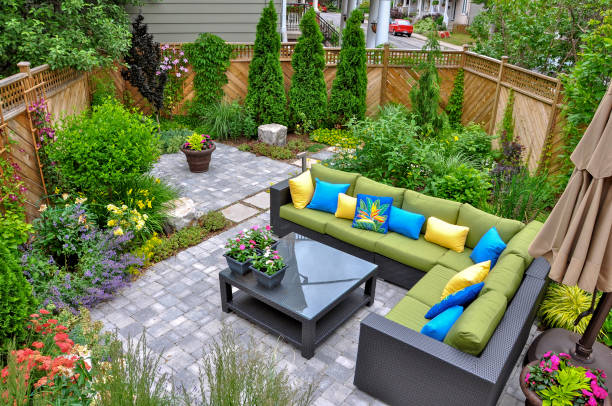
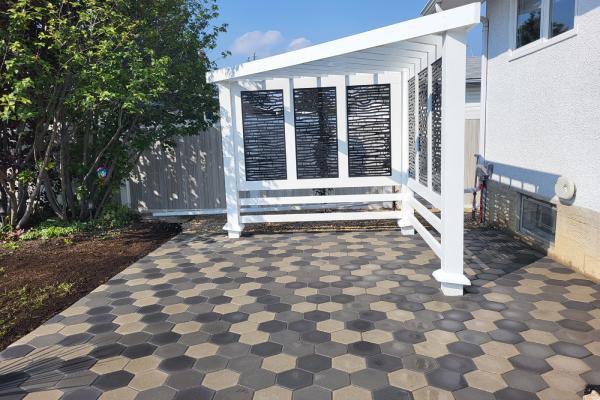
A beautiful small, urban backyard garden featuring a tumbled paver patio, flagstone stepping stones, and a variety of trees, shrubs and perennials add colour and year round interest.
Rebuilding Patios, Walkways, and Hardscaping
Once the groundwork is corrected, hardscaping features can be rebuilt properly.
This may include:
New patios
Walkways and pathways
Seating areas
Steps and transitions
Structural landscaping features
One of the biggest advantages of a full restoration is that these elements can all be planned together instead of added individually over time. This creates a more cohesive layout and improves how the yard functions overall.
Proper base preparation is especially important in Edmonton’s climate, where seasonal movement can quickly affect poorly installed surfaces.
Creating a More Functional Layout
Many older yards were never truly designed around how the homeowner uses the space.
Over time, people often realize:
There isn’t enough entertaining space
Certain areas go unused
Traffic flow feels awkward
The layout feels disconnected
A restoration project creates the opportunity to rethink the entire property layout and improve how the yard works day to day.
This could involve:
Expanding patio areas
Creating better transitions between spaces
Defining seating or gathering areas
Improving accessibility and movement through the yard
In many cases, the functional improvements become just as valuable as the visual upgrades themselves.
Older planting beds often become overgrown, difficult to maintain, or visually outdated.
A restoration project may include:
Removing unhealthy or overgrown plants
Installing new planting layouts
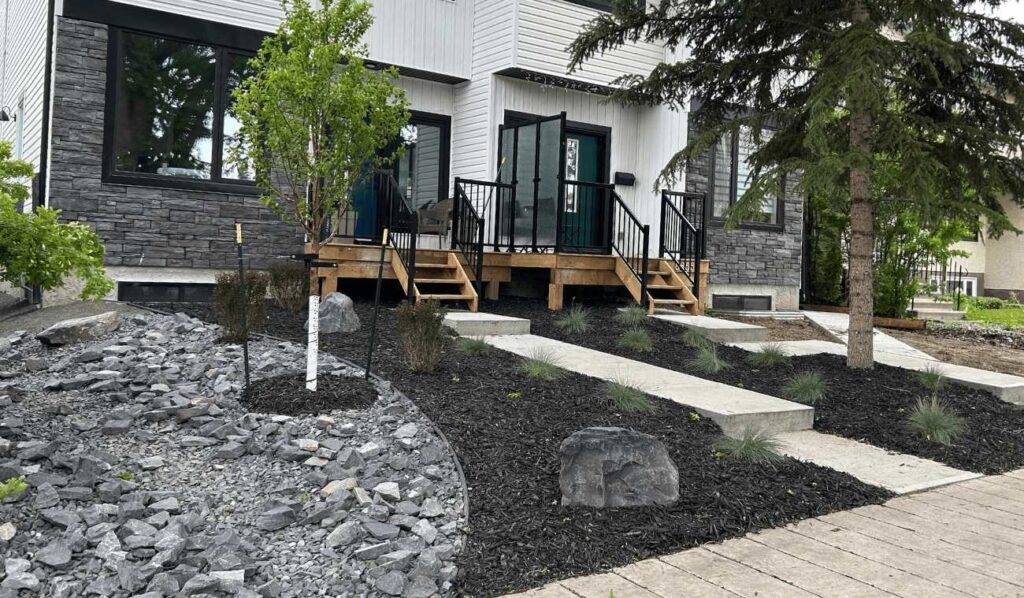
Refreshing mulch or decorative rock
Simplifying high-maintenance areas
The goal is usually to create planting areas that complement the hardscaping while remaining manageable long-term.
Many homeowners today prefer cleaner, lower-maintenance planting designs that still soften the space visually without requiring constant upkeep.
Repairing or Adding Structural Elements
Some yards also require structural improvements as part of the restoration process.
This can include:
Retaining walls
Raised planting beds
Steps and grade transitions
Border edging and containment
These features not only improve appearance but also help stabilize the yard and define different areas more clearly.
Structural elements are especially important in sloped yards or properties experiencing erosion or uneven settling.
Improving Long-Term Durability
One of the biggest goals of a full restoration is improving the long-term performance of the yard.
Rather than continuing to patch recurring issues, the space is rebuilt in a way that addresses:
Drainage concerns
Surface movement
Layout inefficiencies
Aging materials
This often results in a yard that requires less ongoing maintenance and fewer future repairs.
In Edmonton’s climate, durability matters just as much as appearance. A properly restored yard should continue functioning well through years of seasonal weather changes.
Customizing the Space Around Your Lifestyle
No two restoration projects are exactly the same because every homeowner uses their outdoor space differently.
Some people prioritize:
Entertaining and seating space
Lower maintenance requirements
Open lawn areas for children or pets
More modern landscaping aesthetics
A restoration project allows the yard to be redesigned around the homeowner’s current goals instead of trying to work within the limitations of an outdated layout.
A Full Restoration Creates a Fresh Start
For many homeowners, a yard restoration becomes the opportunity to finally solve multiple long-standing issues at once.
Instead of continuing to repair:
uneven surfaces
drainage problems
outdated landscaping
underused spaces
…the property can be rebuilt with a clear long-term plan in mind.
If your yard no longer functions the way you want it to, a full yard restoration can completely transform both the appearance and usability of the space.
And if you’d like help planning your project, you can always reach out to our team to discuss your yard and goals in more detail.
Not every landscaping issue can be solved with a small upgrade or seasonal cleanup. In many cases, homeowners continue patching the same problems year after year without realizing the yard itself may need a more complete reset.
Over time, landscapes naturally wear down. Patios shift, drainage problems develop, plants become overgrown, and layouts that once worked no longer fit how the space is used. In Edmonton especially, years of freeze–thaw cycles, moisture, and settling can gradually take a toll on outdoor spaces.
A full yard restoration allows homeowners to address these underlying issues properly instead of continuing to work around them. Here are some of the most common signs it may be time to rebuild and restore your yard.
Your Yard Has Drainage Problems Every Year
One of the clearest signs a yard needs restoration is recurring drainage issues.
If you regularly notice:
Standing water after rain
Muddy areas that never dry properly
Water pooling near patios or walkways
Soft or uneven ground during spring melt
…the underlying grading of the yard may no longer be functioning properly.
Many homeowners attempt temporary fixes like adding soil or reseeding grass, but if the slope and drainage structure of the yard are incorrect, the problem usually returns.
A proper yard restoration addresses the grading, drainage flow, and overall layout of the property instead of only treating surface-level symptoms.
Your Patio or Walkways Are Shifting and Uneven
In Edmonton’s climate, improperly built hardscaping rarely stays level forever.
Over time, homeowners may start noticing:
Uneven pavers
Sunken sections
Trip hazards
Gaps forming between stones
Cracking or movement during seasonal changes
While isolated repairs are sometimes possible, widespread shifting often indicates larger issues underneath the surface. Poor base preparation, settling soil, and long-term moisture exposure can all contribute to instability.
If multiple areas of the yard are failing at the same time, it’s often more practical to approach the project as a full restoration rather than repeatedly repairing individual sections.
The Layout of the Yard No Longer Works
Sometimes the problem isn’t damage. The yard simply doesn’t function well anymore.
This is especially common in older landscapes where:
Large areas go unused
There’s no defined entertaining space
Traffic flow feels awkward
Features were added at different times without a cohesive plan
Many homeowners eventually realize they spend very little time actually enjoying the yard because the space was never designed around how they live.
A full yard restoration allows the space to be redesigned with functionality in mind, creating a layout that better supports entertaining, relaxing, storage, accessibility, and long-term usability.
Your Landscaping Requires Constant Maintenance
Another common sign is when maintaining the yard starts feeling like a never-ending project.
This often includes:
Overgrown planting beds
Excessive weeds
Struggling grass
Plants that no longer fit the space
Constant trimming and upkeep
In many cases, the original landscaping may have looked appealing initially but was never designed for long-term practicality.
Modern restoration projects often focus on creating cleaner, more manageable spaces using durable hardscaping, simpler planting layouts, and lower-maintenance materials that still look polished and attractive.
Your Yard Looks Visibly Dated
Outdoor design trends change over time, just like interior spaces do.
Older yards sometimes contain:
Outdated materials
Worn retaining walls
Aging patios
Layouts that make the property feel smaller or less functional
Even if everything is technically still usable, the overall appearance of the yard may no longer match the home itself.
For many homeowners, restoring the yard becomes an opportunity to modernize the entire outdoor space and improve curb appeal at the same time.
You’re Constantly Repairing Instead of Improving
One of the biggest indicators that a full restoration may be necessary is when homeowners find themselves repeatedly spending money on temporary fixes.
For example:
Re-leveling sections every year
Replacing dead grass repeatedly
Patching drainage problems
Repairing old hardscaping
At a certain point, the cost and frustration of ongoing repairs starts outweighing the value of rebuilding the space properly.
A restoration project addresses the root causes instead of continuously managing the symptoms.
Your Yard Was Never Properly Finished
This is especially common with newer homes in developing areas around Edmonton.
Many homeowners move into properties where:
The yard is unfinished
Grading is minimal
There’s little structure or usability
The outdoor space feels incomplete
In these situations, a full restoration isn’t really restoring an old yard as much as properly completing the space for the first time.
Creating a cohesive plan early often prevents piecemeal upgrades later.
You Want to Fully Change How the Space Feels
Sometimes homeowners simply outgrow the original yard.
What worked years ago may no longer fit:
Family needs
Entertaining goals
Maintenance preferences
Lifestyle changes
Many restoration projects begin because homeowners want to completely rethink how the backyard functions and feels.
Whether that means adding larger entertaining areas, simplifying maintenance, or creating a more modern outdoor environment, restoration creates the opportunity to redesign the space from the ground up.
A Proper Restoration Solves Problems at the Source
The biggest benefit of a full yard restoration is that it allows underlying issues to be corrected properly instead of hidden temporarily.
Rather than continuing to patch:
drainage problems
settling hardscaping
outdated layouts
failing landscaping
…the entire space can be rebuilt with long-term performance and usability in mind.
If your yard is showing multiple signs from this list, it may be time to consider a full yard restoration instead of continuing with temporary repairs.
And if you’d like help evaluating your outdoor space, you can always reach out to our team to discuss your project and goals.
Landscaping can completely transform a property, but mistakes made early in the process often become expensive and frustrating to fix later. Many Edmonton homeowners focus heavily on appearance when planning their yard, only to realize down the road that durability, drainage, layout, and long-term maintenance matter just as much.
The good news is that most landscaping problems are preventable with proper planning and realistic expectations. Whether you’re building a new yard or upgrading an older one, understanding the most common mistakes can help you avoid wasted money and future headaches.
Prioritizing Appearance Over Function
One of the biggest mistakes homeowners make is designing a yard based entirely on appearance without thinking about how the space will actually be used.
A backyard may look impressive in photos, but if there’s no comfortable seating area, poor traffic flow, or difficult maintenance requirements, it quickly becomes frustrating to live with. This is especially common in yards where features are added individually over time without an overall plan tying everything together.
A well-designed landscape balances both appearance and practicality. Before choosing materials or features, it helps to think about:
How people will move through the yard
Where entertaining or relaxing will happen
How much maintenance the homeowner realistically wants to manage
This is why many successful projects begin with landscape design, where the layout and long-term usability are considered from the start.
Underestimating Edmonton’s Climate
Landscaping in Alberta comes with challenges that homeowners in warmer climates don’t always deal with. Edmonton’s freeze–thaw cycles, heavy spring moisture, dry summer periods, and clay-heavy soil all affect how a yard performs over time.
Ignoring these conditions often leads to:
Shifting patios and walkways
Drainage problems
Premature cracking
Struggling plants and softscaping
This is especially common when homeowners choose materials based only on appearance or attempt shortcuts during installation.
Proper excavation, grading, and base preparation are critical for long-term durability in Edmonton. Investing in the groundwork upfront usually prevents costly repairs later.
Building a Patio That’s Too Small
Many homeowners regret not allocating enough usable patio space once they start spending more time outside.
A patio should comfortably accommodate:
Seating
Walking space
Dining areas
Additional features like fire pits or outdoor kitchens
When patios are undersized, the backyard can still feel cramped even after the project is completed.
In many cases, homeowners focus heavily on minimizing upfront costs, only to wish they had built a larger patio from the beginning. Since expanding later often requires reworking surrounding landscaping, it’s usually more cost-effective to plan properly upfront during patio construction.
Trying to Fix Problems One Piece at a Time
Another common mistake is treating landscaping issues individually instead of looking at the yard as a whole.
For example:
Drainage problems may actually be caused by grading issues
Erosion may be tied to poor layout design
High maintenance could be the result of plant selection and lawn size
Homeowners sometimes spend years patching individual problems instead of addressing the root cause through a larger plan.
A cohesive design often saves money long-term because it allows the entire yard to function together rather than as disconnected upgrades.
Choosing High-Maintenance Landscaping Without Realizing It
Many homeowners are drawn to landscaping ideas that look beautiful initially but require constant upkeep to maintain.
Common examples include:
Oversized planting beds
Excessive lawn areas
Plants poorly suited to Edmonton’s climate
Designs without proper edging or structure
Over time, these yards become difficult to maintain and lose their visual appeal if upkeep falls behind.
Low-maintenance landscaping has become increasingly popular because it focuses on durability, cleaner layouts, hardy plants, and practical long-term maintenance requirements. Combining hardscaping with thoughtful planting often creates a more manageable yard without sacrificing appearance.
Not Planning for Drainage Early Enough
Drainage is one of those things homeowners often don’t think about until problems appear.
Unfortunately, once water issues become obvious, repairs can become significantly more expensive. Pooling water, erosion, muddy areas, and soft ground are often signs that grading and drainage were not addressed properly during the original build.
In Edmonton, spring snow melt and periods of heavy rainfall can expose these weaknesses quickly.
Good landscaping should move water away from:
The home’s foundation
Patios and walkways
Low areas of the yard
This is why drainage and grading should always be considered during the planning phase instead of treated as an afterthought.
Skipping Professional Planning
Some homeowners jump straight into construction without fully planning the project. Others try to piece together inspiration from multiple online sources without considering whether those ideas actually work for their yard.
This often results in:
Poor spacing and layout
Features that feel disconnected
Costly mid-project changes
Wasted space
Even relatively simple projects benefit from a clear plan before installation begins.
A professional design process helps homeowners understand:
What will realistically fit the space
How different features work together
What materials are best suited for Edmonton conditions
How to maximize both function and appearance
Focusing Only on Short-Term Cost
Budget matters, but focusing only on the cheapest option often leads to regret later.
Lower-cost installations sometimes cut corners on:
Excavation depth
Base preparation
Material quality
Long-term durability
This can lead to shifting surfaces, drainage failures, and repairs much sooner than expected.
Many homeowners eventually realize that paying slightly more upfront for proper construction saves money over the long term because the work lasts significantly longer.
The Best Landscapes Are Planned for Long-Term Use
The most successful landscaping projects are the ones that continue working well years after installation.
That means balancing:
Appearance
Durability
Maintenance requirements
Usability
A yard should not only look great immediately after construction. It should continue functioning properly through Edmonton’s seasonal changes and still fit the homeowner’s lifestyle over time.
Avoiding these common mistakes starts with thoughtful planning and realistic expectations from the beginning.
If you’re considering upgrading your outdoor space, working with a landscaping company in Edmonton that understands local conditions and long-term performance can make a major difference in the final result.
Many homeowners assume a struggling yard just needs fertilizer, reseeding, or better mowing habits. While basic lawn care helps healthy yards stay green, it doesn’t fix deeper issues beneath the surface. When the soil, grading, or drainage are the real problem, temporary lawn treatments often fail within a season.
If you notice the same issues returning every year, your property may need more than maintenance. A proper solution is likely a full yard restoration.
Persistent Mud or Areas That Never Dry
One of the clearest warning signs is mud that stays long after rain or snowmelt. If certain areas remain wet for days, or even weeks, water is not draining correctly.
This usually happens when the yard slopes improperly or soil has become compacted. Instead of absorbing or directing water away, the ground holds moisture near the surface.
Over time, this leads to:
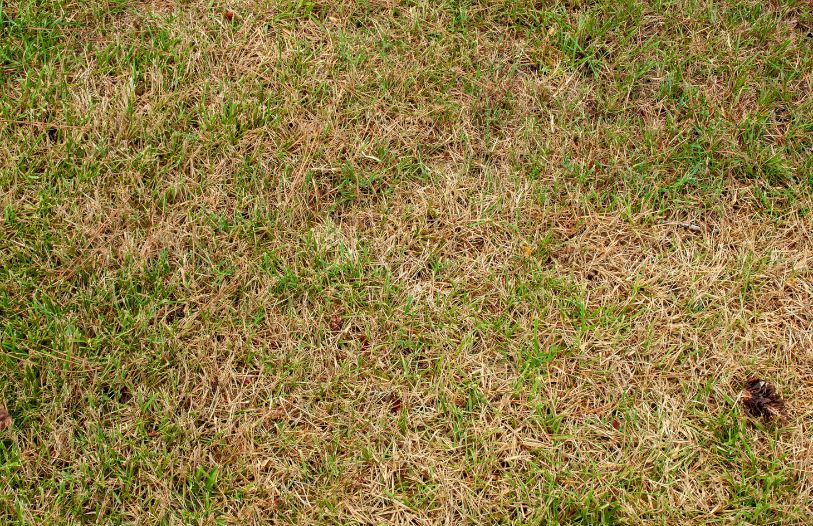
Dead grass
Mosquito activity
Damaged plant beds
Unusable sections of yard
In these situations, basic lawn treatments won’t solve the issue. Correcting grading and soil conditions through yard restoration services addresses the root cause rather than repeatedly repairing the lawn.
Uneven Ground and Sinking Areas
Have you noticed low spots forming in your lawn? Do you feel dips when walking across the yard?
Uneven ground often develops gradually as soil settles, erodes, or shifts during freeze–thaw cycles. Besides appearance, this can create drainage problems and safety concerns.
Left untreated, low areas collect water, which accelerates soil erosion and damages surrounding landscaping. In many cases, rebuilding and regrading sections of the property is the only permanent solution.
Grass That Won’t Grow No Matter What You Try
If you’ve reseeded multiple times and the same patches keep dying, the problem is rarely the seed itself.
Common underlying causes include:
Compacted soil
Poor topsoil quality
Drainage issues
Improper sun exposure
Adding fertilizer or watering more frequently can actually make things worse if the soil cannot support healthy roots. Professional plant selection and planting services can also help ensure the right plants and soil conditions are used for long-term success.
Standing Water Near Your Home
Water pooling near the foundation is more than a landscaping concern, it can become a structural risk to your property.
Improper grading allows water to move toward the house instead of away from it. Over time, this moisture can affect basements, walkways, and patios.
Addressing drainage early prevents costly damage. Planning proper slopes and runoff pathways is a key part of professional landscape design services, which consider both appearance and water management.
Shifting Walkways, Patios, or Retaining Walls
Hardscape movement is one of the strongest indicators that the yard itself is unstable.
You may notice:
Pavers separating
Steps becoming uneven
Walkways tilting
Retaining walls leaning
These are not just construction issues — they are usually soil and drainage issues. Correcting the surrounding landscape often prevents repeated repairs. Rebuilding affected areas with proper base preparation through retaining wall construction or walkway construction can restore stability and safety.
Your Yard Is Difficult to Maintain
Some properties require constant effort to keep them usable. If you’re regularly fighting weeds, mud, drainage, or erosion, the layout itself may be the problem.
A redesigned layout can reduce maintenance dramatically. Many homeowners choose a low maintenance yard design that replaces problem areas with practical landscaping solutions better suited to the property.
When Lawn Care Isn’t Enough
Lawn care maintains a healthy yard. Yard restoration fixes a failing one.
If your property experiences recurring drainage issues, sinking areas, or unstable surfaces, the underlying structure likely needs attention. Instead of repeating short-term fixes every season, addressing grading, soil health, and layout provides a lasting solution.
A Lasting Solution Starts With the Right Plan
If your yard never seems to improve no matter how much maintenance you do, the issue may be deeper than grass or plants. Identifying and correcting the root problem can restore usability and protect your property long term. If you’re dealing with persistent mud, drainage problems, or shifting surfaces, schedule a yard restoration consultation and we’ll help you determine the best path forward for a stable, functional outdoor space.